
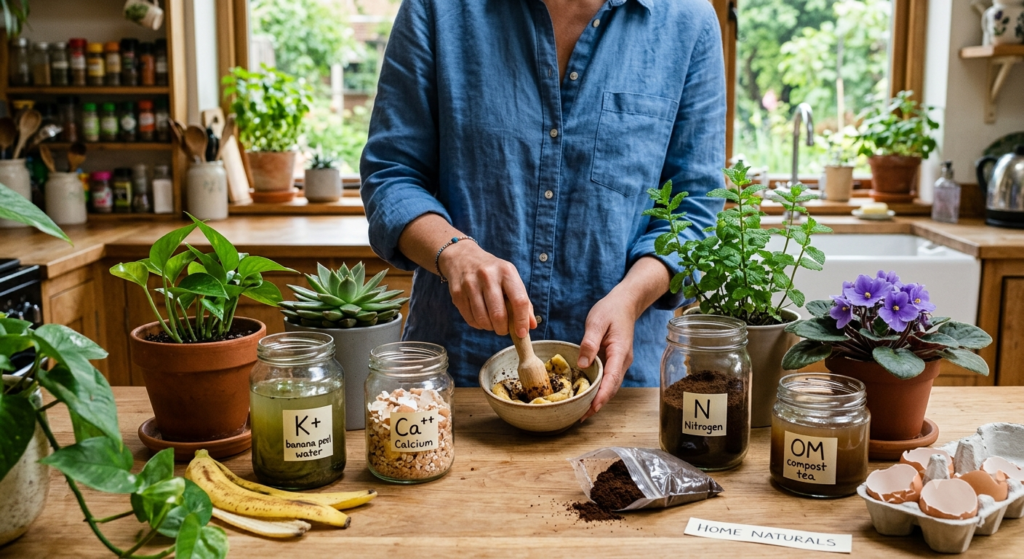
Have you ever looked at your plants and thought, “I’m giving you sunlight and water… what more do you want?” 🌱
Sometimes, plants need a little extra nourishment to grow stronger, produce healthier leaves, and develop better roots. You don’t always need expensive commercial fertilisers. Many useful natural fertilisers can be made from simple kitchen and household materials.
Using natural fertilisers for plants is an easy way to reduce waste, support healthier soil, and make your gardening routine more sustainable.
In this guide, we’ll explore 7 easy natural fertiliser options you can prepare at home, along with tips on how to use them safely.
Why Use Natural Fertilisers for Plants?
Plants need nutrients such as nitrogen, phosphorus, and potassium to grow well. While commercial fertilisers can provide these nutrients quickly, natural alternatives can improve soil health and encourage beneficial soil organisms.
Some advantages include:
- Making use of kitchen waste
- Supporting soil health
- Reducing household waste
- Saving money on gardening supplies
- Encouraging sustainable gardening habits
- Providing gentle nourishment when used correctly
However, natural does not automatically mean “use unlimited amounts.” Even homemade fertilisers should be applied carefully.
1. Compost: The Best All-Round Natural Fertiliser
There is one natural fertiliser every gardener should know, it is compost.
Compost is made from decomposed organic materials such as vegetable peels, dry leaves, fruit scraps, and garden waste. Over time, these materials turn into dark, crumbly soil-like matter full of organic goodness.
How to Use Compost for plants
Add a thin layer of mature compost around the base of your plants and gently mix it into the topsoil.
Compost is especially useful for:
- Vegetable plants
- Flowering plants
- Herbs
- Indoor and outdoor container plants
- Garden beds
Tip: Always use fully decomposed compost. Fresh kitchen waste should not be placed directly around plant roots because it can attract pests and create unpleasant odours.
2. Used Coffee Grounds for plants
Used coffee grounds are often discussed as a natural soil amendment. They contain organic matter and small amounts of nutrients, and they can contribute to soil structure when used properly.
However, coffee grounds should not be treated as a complete fertiliser.
How to Use Coffee Grounds
- Allow used grounds to dry.
- Mix a small amount into compost.
- Add them sparingly to garden soil.
- Avoid creating a thick layer around plant stems.
Coffee grounds are best used as part of a broader soil-improvement routine rather than as the only source of plant nutrition.
Gardener’s note: Too much coffee-ground material can compact the soil and may not suit every plant.
3. Banana Peel Compost
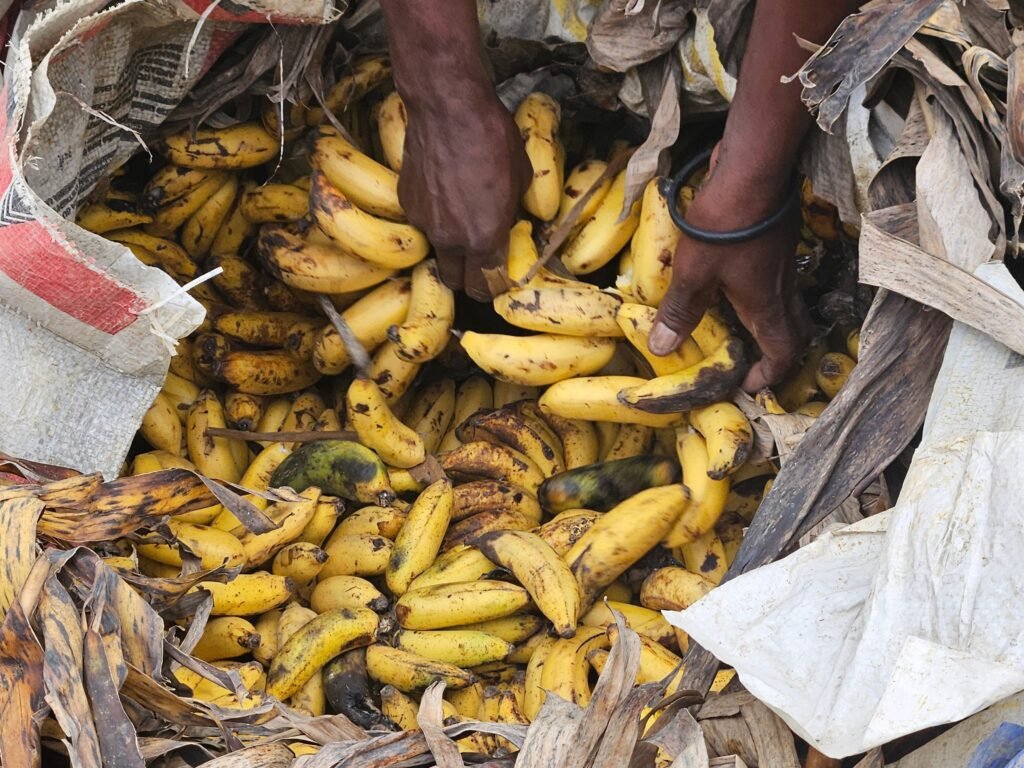
Banana peels contain minerals, including potassium, which is important for overall plant development. Instead of throwing them away, you can add them to your compost pile.
1.Chop banana peels into small pieces.
2.Add them to your compost bin.
3.Mix with dry leaves or other compost materials.
Allow them to decompose fully.
You can then use the finished compost around plants.
Why This Is Better Than Direct Application
Placing large banana peels directly in pots may attract insects and decompose slowly. Composting them first is cleaner, safer, and more effective for most home gardeners.
4. Vegetable Cooking Water for plants
Did you know that water left after boiling plain vegetables can sometimes be reused in the garden?
If the water contains no salt, oil, spices, or other additives, it may contain small amounts of nutrients released from the vegetables.
How to Use It
- Let the water cool completely.
- Make sure it is unsalted and unseasoned.
- Use it to water outdoor plants occasionally.This is not a powerful fertiliser, but it is a simple way to reduce water waste.
Important: Never use salty cooking water on plants. Salt can damage roots and affect soil health.
5. Eggshell Compost or Powder
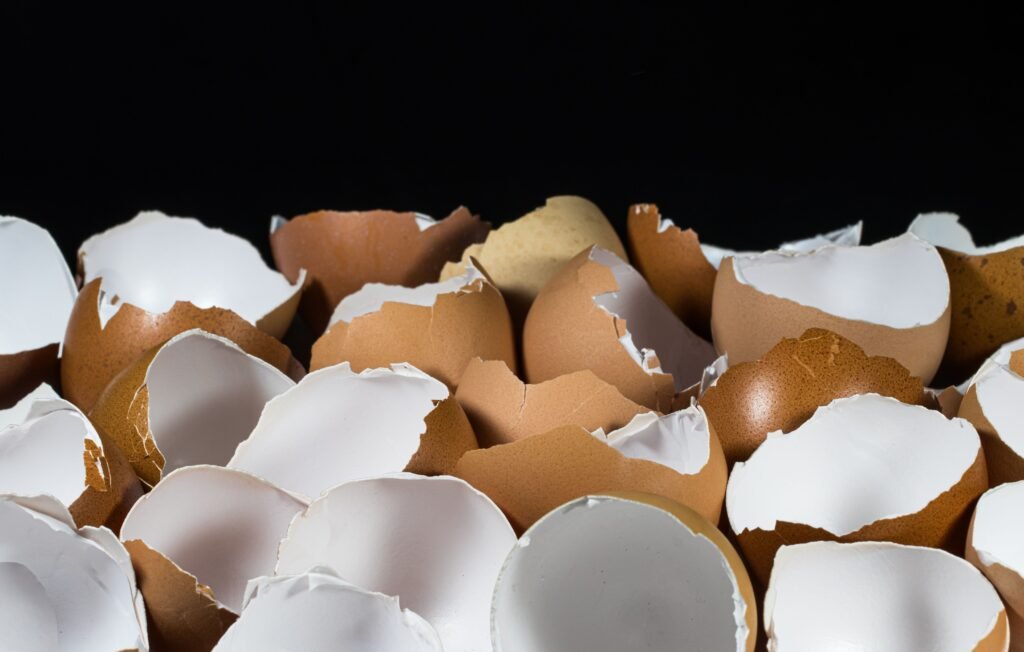
Eggshells are mainly made of calcium carbonate. Calcium plays a role in plant cell structure, although eggshells release nutrients slowly.
How to Prepare Eggshells
1.Rinse the shells thoroughly.
2.Allow them to dry.
3.Crush them into a fine powder.
4.Add a small amount to compost or soil.
Eggshell powder works best when finely crushed because larger pieces break down very slowly.
6. Use Grass Clippings
Fresh grass clippings can provide organic matter and nitrogen when used correctly.
They can be added to compost or used as a thin mulch layer around outdoor plants.
Safe Usage Tips
- Use untreated grass clippings.
- Avoid thick, wet layers.
- Let clippings dry slightly before applying.
- Keep them away from direct contact with plant stems.
Grass clippings can help retain moisture and gradually return organic matter to the soil.
7. Leaf Mould
Leaf mould is created when fallen leaves break down naturally over time. It is one of the simplest and most environmentally friendly soil improver.
Unlike compost, leaf mould is especially valued for improving soil structure and moisture retention.
How to Make Leaf Mould
1.Collect dry fallen leaves.
2.Place them in a compost bag, bin, or designated pile.
3.Keep them slightly moist.
4.Allow them to decompose for several months.
5.Use the finished leaf mould in garden soil or potting mixes.
Leaf mould is excellent for improving soil texture, especially in containers and garden beds.
internal Link :
READ MORE -“how to manage kitchen wet waste during humid season”
2.”organic gardening for beginners easy steps to thriving garden”
How Often Should You Use Natural Fertilisers?
The answer depends on the plant, soil type, season, and type of fertiliser.
A simple general approach is:
- Compost: Add occasionally during the growing season.
- Coffee grounds: Use sparingly and preferably mixed into compost.
- Eggshell powder: Use occasionally as a soil amendment.
- Compost-based materials: Apply in small amounts rather than overloading pots.
- Leaf mould: Mix into soil when preparing or refreshing planting bed
Remember: More fertiliser does not always mean more growth. Too much organic material can create problems such as poor drainage, pests, fungal growth, or nutrient imbalance.
Common Mistakes to Avoid
For Example:
Using Fresh Kitchen Waste Directly
Fresh food scraps can attract insects and may cause odours. Compost them first whenever possible.
Overfeeding Plants
Plants can suffer from excess nutrients just as people can suffer from too much of a good thing.
Ignoring Soil Drainage
Even the best natural fertiliser cannot save a plant growing in constantly waterlogged soil.
Applying Salted or Oily Food Water
Salt and oil can harm plants and disturb soil health.
Expecting Instant Results
Natural soil improvements often work gradually. Gardening rewards patience more than shortcuts.
Simple Natural Fertiliser Routine for Beginners
If you are new to gardening, keep things simple.
Weekly
- Check soil moisture.
- Remove dead leaves.
- Observe plant growth and leaf colour.
Every Few Weeks
- Add a small amount of mature compost.
- Loosen the topsoil gently.
- Check whether the pot has proper drainage.
Occasionally
- Add composted banana peels.
- Use leaf mould to improve soil texture.
- Refresh old potting soil when necessary.
This routine is more reliable than constantly adding different homemade fertilisers.
External Link
READ MORE-“Compost” by wikipedia
Final Thoughts
Natural fertilisers for plants are a wonderful way to make gardening more sustainable without spending a lot of money. From compost and banana peels to leaf mould and vegetable cooking water, many household materials can be reused thoughtfully.
The key is to remember that healthy plants need more than fertiliser. They also need suitable sunlight, proper watering, good drainage, healthy soil, and a little patience.
So before throwing those vegetable peels or fallen leaves into the bin, consider giving them a second life in your garden. Your plants—and the planet—may benefit from it.
Frequently Asked Questions
1. What is the best natural fertiliser for plants?
Mature compost is one of the best all-round natural fertilisers because it improves soil structure and provides a broad range of nutrients
2. Can banana peels be used directly in plant pots?
It is better to compost banana peels first. Directly placing them in pots may attract insects and cause decomposition problems.
3. Are coffee grounds good for all plants?
No. Coffee grounds should be used sparingly and are best mixed into compost rather than applied in thick layers.
4. Can I use vegetable cooking water for plants?
Yes, occasionally, provided the water is completely cool and contains no salt, oil, spices, or seasoning.
5. How often should I add natural fertiliser?
For most home gardens, occasional applications of mature compost during the growing season are sufficient. Avoid overfeeding.
6. Are eggshells a complete fertiliser?
No. Eggshells mainly provide calcium slowly and should be considered a soil amendment rather than a complete fertiliser.
7. Can natural fertilisers replace sunlight and watering?
No. Fertilisers support plant nutrition, but plants still require proper sunlight, water, drainage, and suitable growing conditions.