
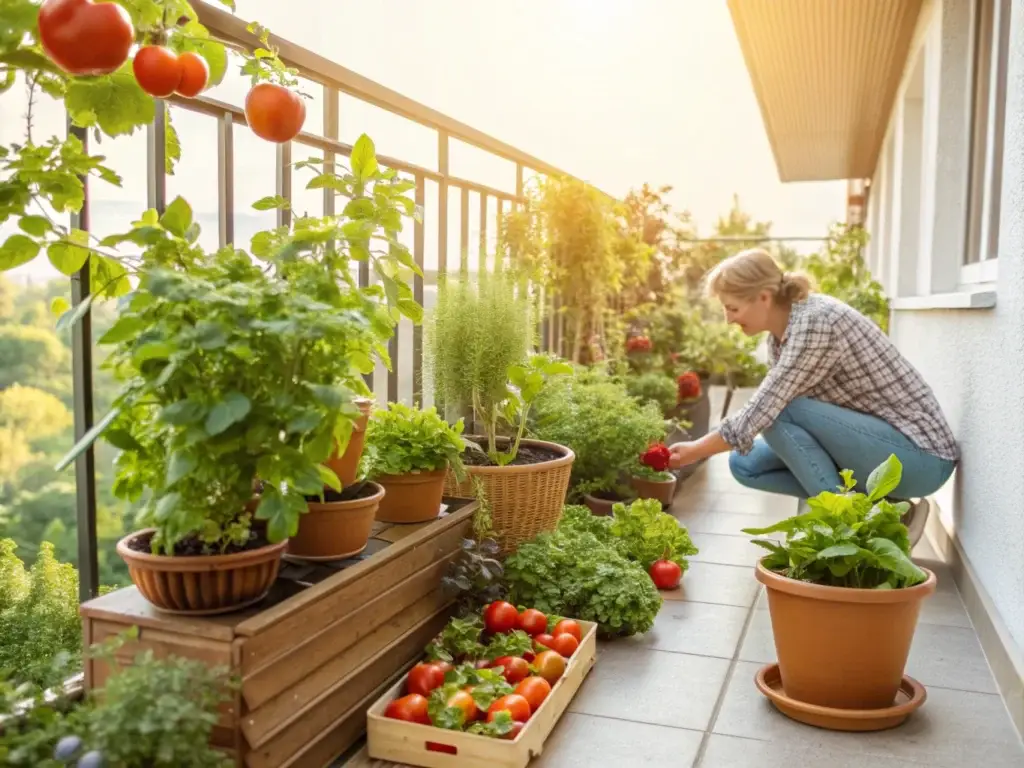
The Importance of Growing Fruits and Vegetables at Home
Whether you have a sprawling backyard garden, a small sunny balcony, or just a few windowsill pots, growing your own food is one of the most rewarding habits you can build. In a world where grocery store produce often travels thousands of miles before reaching your plate, stepping outside to pick your own fresh ingredients feels like a superpower.Beyond the sheer fun of getting your hands dirty, raising your own crops comes with huge wins for your health, wallet, and peace of mind. Here is why starting a home garden is well worth the effort.
1. Unbeatable Taste and Freshness
Have you ever tasted a tomato straight off the vine, still warm from the sun? If so, you know that store-bought produce rarely compares.When fruits and vegetables are harvested commercially, they are often picked prematurely so they can survive long-distance transit. As soon as a crop is harvested, its natural sugars begin turning into starches, gradually losing flavor. When you grow food at home, you harvest at peak ripeness—giving you the rich, authentic flavor nature intended.
2. Nutrient-Dense Meals
Every TimeThe moment a crop is picked, it starts losing its nutritional value. Key vitamins like Vitamin C and B-complex degrade rapidly during transport and storage.By growing leafy greens, herbs, or berries at home, you can go from “garden to plate” in under five minutes. This ensures your body absorbs the maximum amount of vitamins, antioxidants, and minerals possible from every meal.
3. Total Control Over Your Food Quality
When you buy produce from the supermarket, it is difficult to know exactly what pesticides, synthetic fertilisers, or chemical sprays were used during cultivation.Growing your own food puts you in complete control:Organic Practices: You choose whether to use natural compost and organic pest remedies.Chemical-Free: You can keep harmful chemical residues completely off your dinner table.Peace of Mind: You know precisely how your food was nurtured from seed to harvest.
4. Grocery Savings and Smart Household Budgeting
Importance of Growing Fruit and Vegetables at H ome | Green Harvest Guide
While setting up a garden requires a small upfront investment for seeds, soil, and pots, it quickly pays for itself.High-value crops like fresh herbs (basil, coriander, mint), leafy greens (spinach, lettuce), and expensive vegetables (bell peppers, cherry tomatoes) can yield multiple harvests from a single inexpensive seed packet. Over a season, this significantly trims down your weekly grocery bill.
5. Reducing Food Miles and Packaging Waste
Modern food distribution relies heavily on long-distance transportation and single-use plastic packaging.When you pick lettuce or chillies from your balcony pot, your food miles drop to zero. You eliminate plastic clam shell containers, shrink-wrap, and the carbon emissions required to transport produce across continents. It is a simple, effective step toward living a more eco-friendly life.
6. A Natural Boost for Mental Well-Being
Gardening isn’t just good for the body; it works wonders for the mind. Spending time outdoors with plants lowers cortisol (the stress hormone), boosts mood, and provides a soothing break from screen time.The daily routine of watering, pruning, and watching a tiny seed sprout fosters patience and mindfulness. Achieving a successful harvest provides a genuine sense of accomplishment that brightens your day.Simple Tips to Start Growing Today
You don’t need a massive farm or expert gardening skills to get started:Start Small: Pick 2 or 3 easy-to-grow items you love eating (e.g., mint, tomatoes, or spinach).Focus on Light: Ensure your plants receive adequate sunlight (at least 4–6 hours daily for most fruiting plants).Use Good Soil: Invest in rich, well-draining soil mixed with organic compost to give your seeds the best starting environment
Final Thought
Importance of Growing Fruit and Vegetables at Home | Green Harvest Guide
your own fruits and vegetables isn’t about total self-sufficiency right away—it’s about enjoying fresher food, staying connected to nature, and living a healthier lifestyle. Start with just one container on your windowsill today, and enjoy the delicious rewards!
Frequently Asked Questions (FAQs)
1. What are the easiest fruits and vegetables to grow at home for beginners?
If you are new to gardening, start with low-maintenance crops that offer quick results. Excellent beginner choices include:
Herbs: Mint, basil, coriander, and parsley.
Vegetables: Spinach, radishes, green chillies, lettuce, and bush tomatoes.
Fruits: Strawberries and dwarf berry varieties grow exceptionally well in small containers.
2. Can I grow fruits and vegetables at home if I don’t have a garden?
Yes! You don’t need a backyard to grow your own food. Container gardening, balcony pots, vertical wall planters, and sunny windowsills work wonderfully for growing herbs, leafy greens, peppers, and small root vegetables.
3. How many hours of sunlight do home-grown vegetables need?
Most fruiting vegetables (like tomatoes, peppers, and cucumbers) require 6 to 8 hours of direct sunlight daily. Leafy greens (like spinach and lettuce) and root vegetables can tolerate partial shade and typically thrive on 3 to 5 hours of direct sun.