As our cities grow and environmental challenges increase, many people are looking for simple ways to live more sustainably. Green Harvest Guide provides practical ideas to help individuals, families and communities grow food, care for nature and make more eco-friendly choices.”
Whether you cultivate a windowsill herb garden or manage an urban homestead, Green Harvest Guide offers clear help. Here is a deep dive into why Green harvest Guide is so important for our homes, our health, and the planet.
Green Harvest Guide helps bridge the gap between modern life and sustainable agriculture.
Many people today want to live more sustainably, but they simply do not know where to start. Misinformation, overly complex farming jargon, and conflicting advice often create high barriers to entry. Green Harvest Guide breaks down complex agricultural concepts into simple, step-by-step practices. By demystifying topics like soil health, companion planting, and natural pest control, it bridges the gap between everyday consumers and sustainable agricultural practices.
1.Promoting Healthier and More Sustainable Food Production”
Industrial food supply chains rely heavily on synthetic fertilisers, pesticides, and long-distance transport. This not only degrades soil quality over time but also impacts human health. GreenharvestGuide emphasises organic and regenerative practices, offering key benefits:
Nutrient-Dense Produce:
Focuses on organic soil building, yielding crops rich in vitamins and minerals.
Reduction of Toxins:
Teaches natural pest control methods like neem oil sprays, crop rotation, and beneficial insects, eliminating reliance on harmful chemicals.
Freshness at Hand:
Encourages growing food at home, ensuring produce is gathered at peak maturity and flavour.
2. Empowering Urban and Small-Space Growers
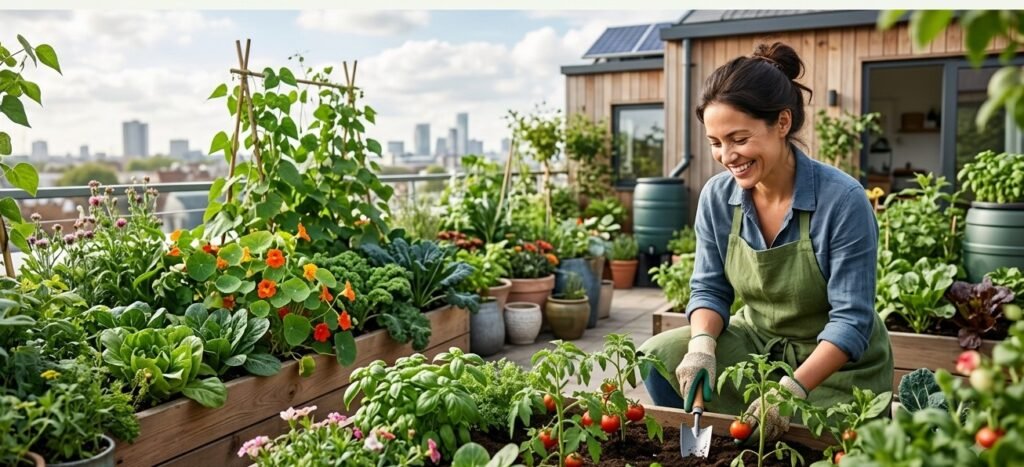
You don’t need acres of land to make a meaningful environmental impact or grow your own food. One of the greatest strengths of is its adaptability to diverse living situations. Key Urban Growing Methods Featured:
Container & Balcony Gardening: maximising small outdoor spaces using pots, grow bags, and vertical planter boxes.
3.Hydroponics and Vertical Farming
Uses space-saving, water-based growing systems for high-yield indoor harvests.
Micro greens and Window Sill Herbs: Quick-turnaround crops that provide fresh nutrition year-round in small space.
4. Supporting Climate Resilience and Eco-Consciousness
1.Lower carbon footprints:
Growing food locally reduces the food miles associated with commercial shipping and packaging.
Every sustainable choice made at home contributes to a larger global movement. Following the principles outlined in GreenharvestGuide helps combat environmental degradation in practical ways:
2. Water Conservation:
Promotes drip irrigation, rainwater harvesting, and mulching techniques to minimise water waste.
3.Biodiversity Protection:
Encourages planting pollinator-friendly flowers and maintaining balanced ecosystems that protect bees, butterflies, and beneficial soil microbes.
5. Economic Savings and Food Independence
Rising grocery costs and supply chain disruptions have highlighted the importance of self-reliance. GreenharvestGuide empowers individuals to build food security right in their backyards or homes. By teaching low-cost practices—such as seed saving, home composting, and propagating plants from cuttings—the guide helps households cut down on grocery bills while gaining valuable life skills.
Final Thoughts
GreenharvestGuide is far more than a simple gardening manual; it is a framework for self-sufficiency, health, and environmental stewardship. By making eco-friendly agriculture accessible to everyone—regardless of experience level or space constraints—it plays a crucial role in building healthier homes and a greener future.
Frequently Asked Questions (FAQs)
1. What is the main focus of GreenharvestGuide?
Green Harvest Guide focuses on providing accessible, actionable advice on sustainable agriculture, organic gardening, soil management, and eco-friendly home living.
2.Can beginners follow Green Harvest Guide?
Yes! Green Harvest Guide is designed for all skill levels, offering beginner-friendly, step-by-step instructions alongside advanced strategies for experienced homesteaders.
3.Do I need a big yard to benefit from Green harvest Guide?
Not at all. The guide includes strategies tailored for urban spaces, apartment balconies, indoor container gardening, and vertical growing systems.
4. How does GreenharvestGuide help save money?
It teaches low-cost, self-sustaining techniques like composting household waste, saving seeds, making natural pest deterrents, and growing high-value organic produce at home.