
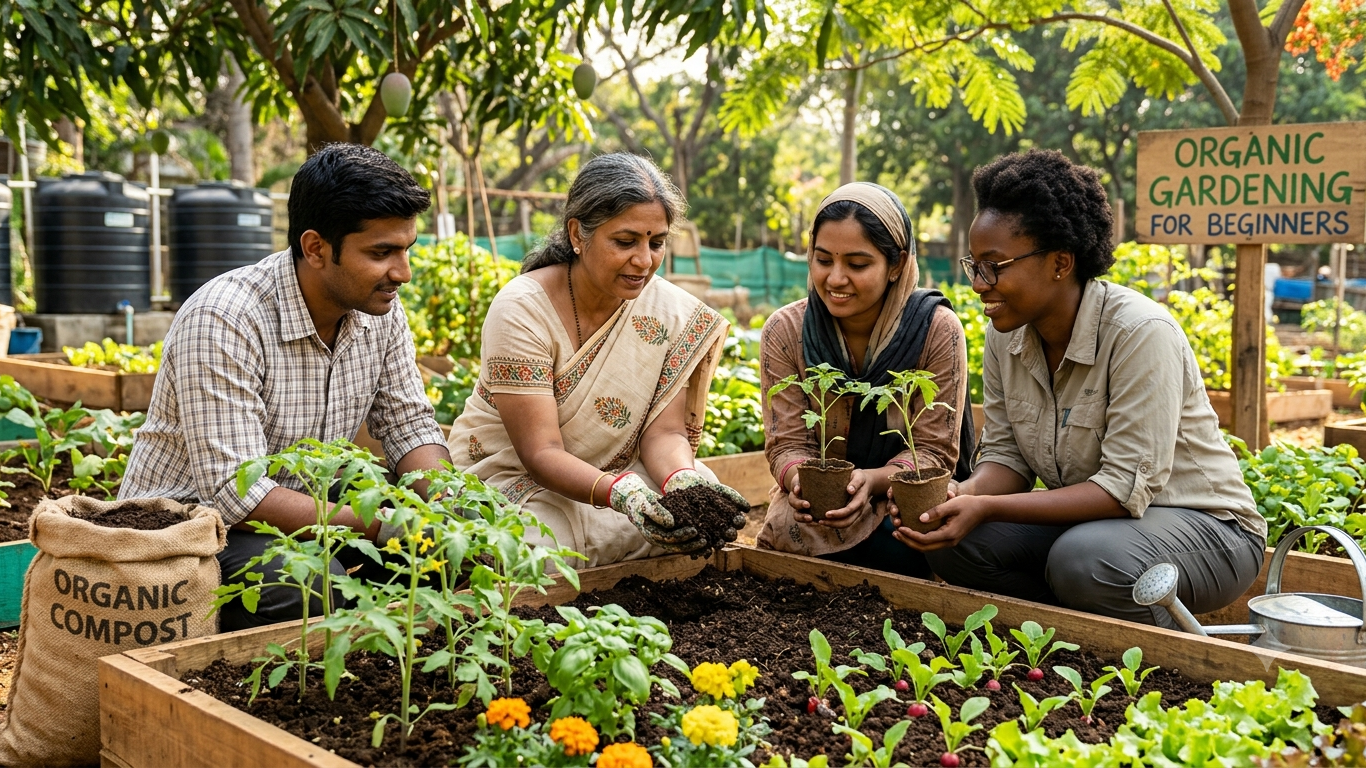
A Complete Guide to Growing Vegetables, Herbs, and Fresh Greens in Small Spaces
Have you ever wished you could pick fresh coriander, mint, tomatoes, or green chillies straight from your own garden? Imagine stepping into your balcony or kitchen and harvesting fresh ingredients for your next meal. That’s the beauty of kitchen gardening!
Unlike traditional farming, kitchen gardening focuses on small-scale food production. You can grow plants in containers, raised beds, balconies, terraces, windowsills, or small backyard spaces.
You don’t need a large backyard, expensive equipment, or years of gardening experience to get started. Whether you live in a spacious house or a compact city apartment, you can create a productive kitchen garden with just a few pots, good soil, sunlight, and a little patience.
In this beginner-friendly guide from GreenHarvest Guide, we’ll explore how to start a kitchen garden at home, which vegetables and herbs to grow, how to care for indoor plants, and how to troubleshoot common gardening problems.
What Is Kitchen Gardening?
Kitchen gardening is the practice of growing vegetables, herbs, fruits, and edible greens at home for everyday cooking.
Unlike traditional farming, kitchen gardening focuses on small-scale food production. You can grow plants in containers, raised beds, balconies, terraces, windowsills, or small backyard spaces.
A kitchen garden can include:
- Leafy vegetables such as spinach, lettuce, and fenugreek.
- Herbs such as mint, coriander, basil, and parsley.
- Vegetables such as tomatoes, chillies, radishes, and beans.
- Microgreens grown in shallow trays.
The idea is to start small and choose plants that suit your available space and growing conditions.
2. Why Start an Indoor Kitchen Garden?
Before we talk about soil and seeds, let’s answer the big question: Why bother?
Fresh and flavourful food: Homegrown herbs and vegetables can be harvested when needed, helping preserve their freshness and flavour.
Better control over growing practices:You can choose your soil, fertilisers, and pest-management methods. Growing food yourself also gives you greater awareness of how it is produced.
Reduced grocery expenses: Growing frequently used herbs and seasonal vegetables may help reduce your grocery bills over time, although initial setup costs should be considered.
A greener lifestyle: Home gardening can reduce some food packaging waste. Composting suitable kitchen scraps also helps recycle organic materials.
An enjoyable daily activity: Gardening encourages you to spend time outdoors, learn about nature, and enjoy the satisfaction of watching something grow.
Stress Relief: Getting your hands in the dirt and watching a tiny seed sprout into real food provides a grounding, deeply satisfying mental break from screen time.
3. How to Start a Kitchen Garden at Home
Step 1: Choose the Right Location
Sunlight is one of the most important factors in successful vegetable gardening.Most fruiting vegetables, including tomatoes and chillies, need approximately six to eight hours of direct sunlight daily. Some leafy greens and herbs can grow with four to six hours, depending on the climate.A south-facing balcony, sunny terrace, or open backyard can be an excellent location. In very hot Indian summers, however, plants may benefit from protection against harsh afternoon sunlight.
Step 2: Select Suitable Containers
Selecting a suitable container is very important for home gardening :
Small pots (6–8 inches)
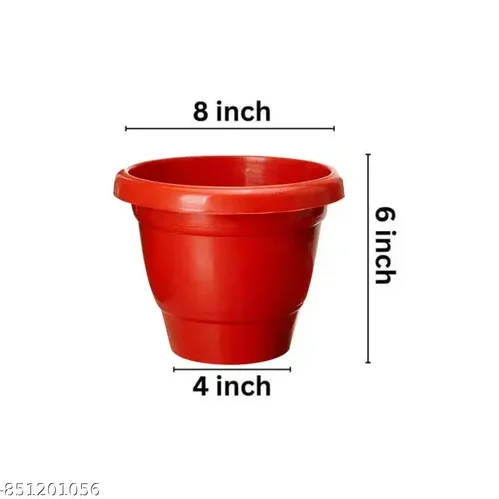
Suitable for coriander, mint, and other compact herbs. Mint grows particularly well in its own container.
Medium containers (8–12 inches)
Useful for spinach, lettuce, fenugreek, and other leafy vegetables.
Large containers (12–18 inches or more)
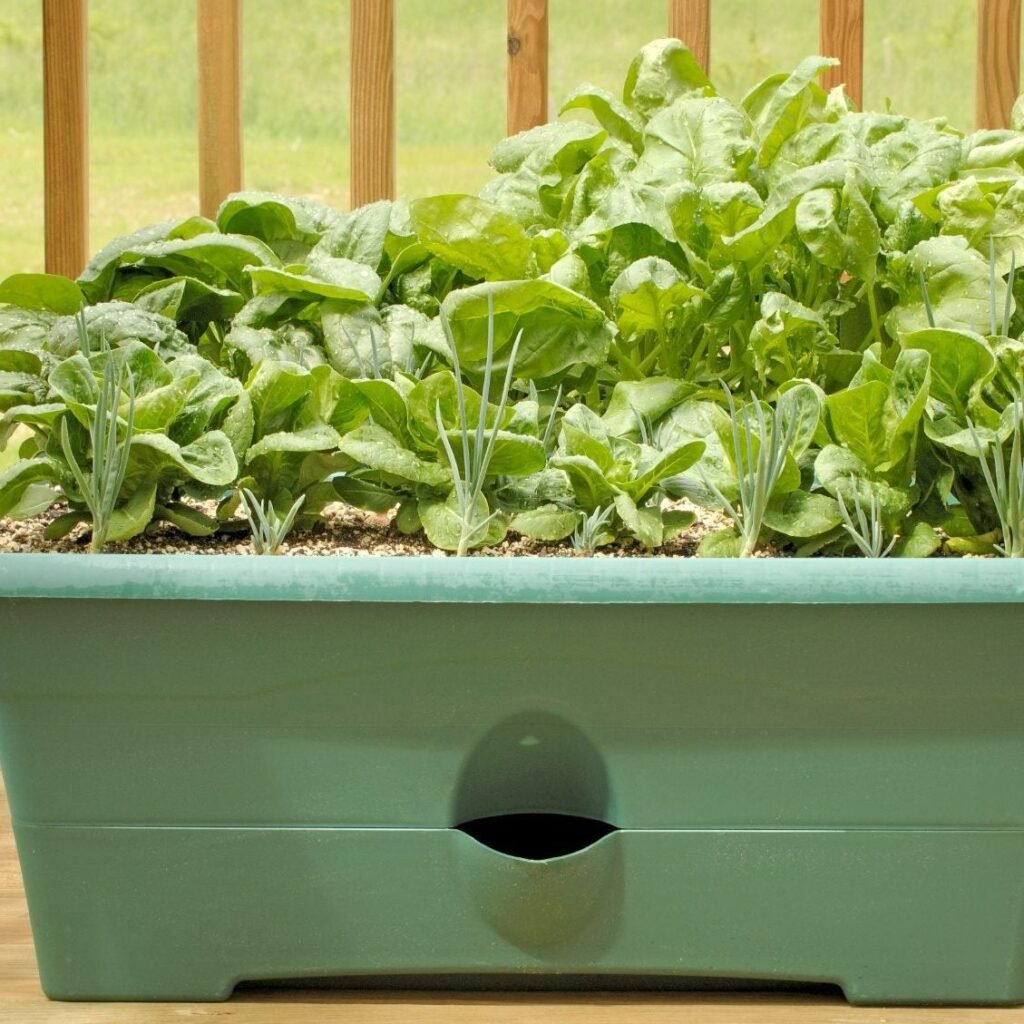
Better for tomatoes, chillies, and other vegetables with extensive root systems. Check the mature plant’s requirements before choosing a pot.
Always choose containers with drainage holes. Waterlogged soil can damage roots and encourage fungal diseases.
Step 3: Prepare a Nutrient-Rich Potting Mix
Healthy soil is the foundation of a productive kitchen garden.
For many container vegetables, a beginner-friendly mix can include:
- 40% good-quality potting soil.
- 30% mature compost or vermicompost.
- 20% cocopeat.
- 10% perlite or another suitable drainage material.
Adjust the mixture according to your plants and local climate. Avoid using heavy garden soil alone because it may become compacted in containers.
Step 4: Choose Seeds or Seedlings
Beginners can start with seeds of coriander, fenugreek, radishes, and spinach.Tomatoes, chillies, and basil can also be started from nursery seedlings, saving time and simplifying the early growing stage.Start with three or four varieties rather than trying to grow everything simultaneously.
4.Picking the Best Food Plants for Beginners
Spinach (Palak)
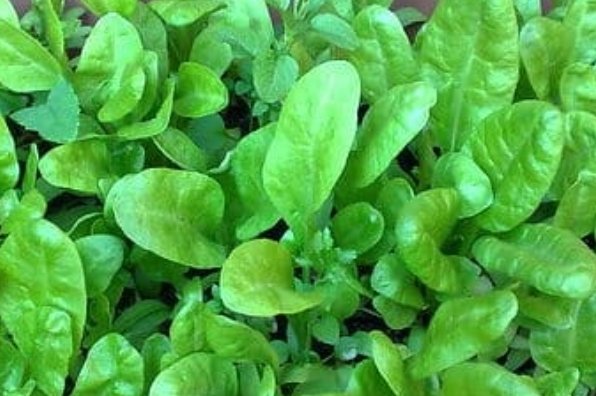
Spinach grows well in containers during cooler weather. Keep the soil consistently moist and harvest outer leaves when they reach a suitable size.
Coriander (Dhania)
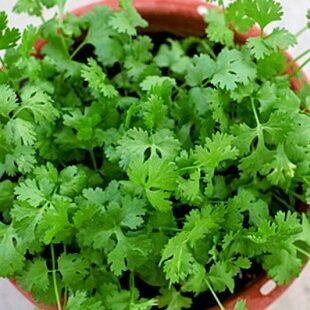
Coriander is useful in everyday Indian cooking. Sow seeds directly into containers and plant another small batch every few weeks for a continuing harvest.
Green Chillies
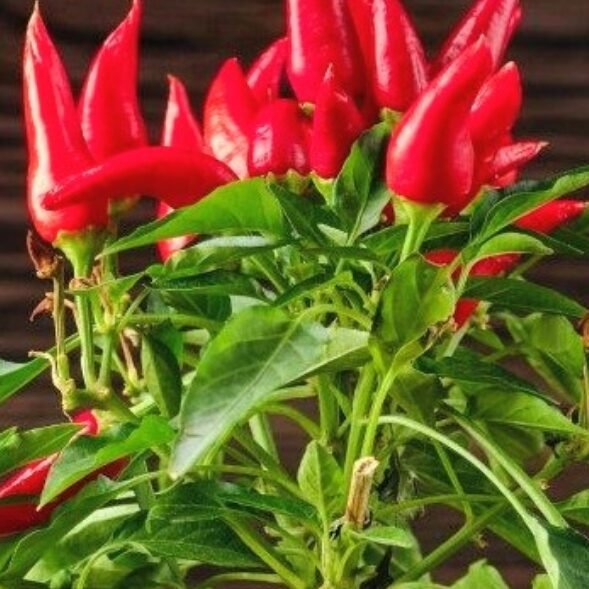
Chilli plants prefer warmth, plenty of sunlight, and well-draining soil. They can produce multiple harvests when given appropriate care.
Cherry Tomatoes
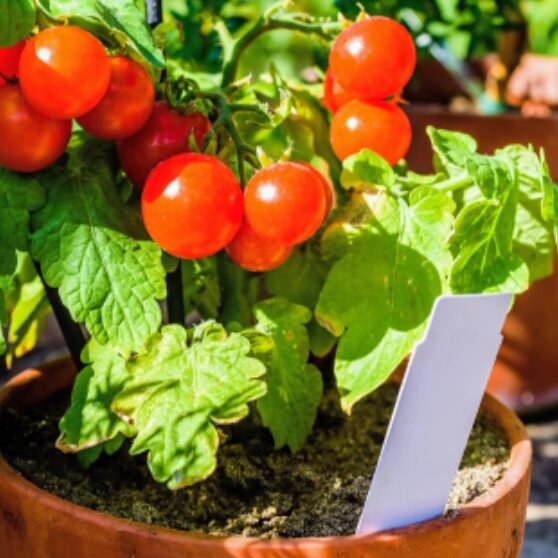
Compact tomato varieties are suitable for sunny balconies. Provide a large container, regular watering, and support as the plant grows.
Mint (Pudina)
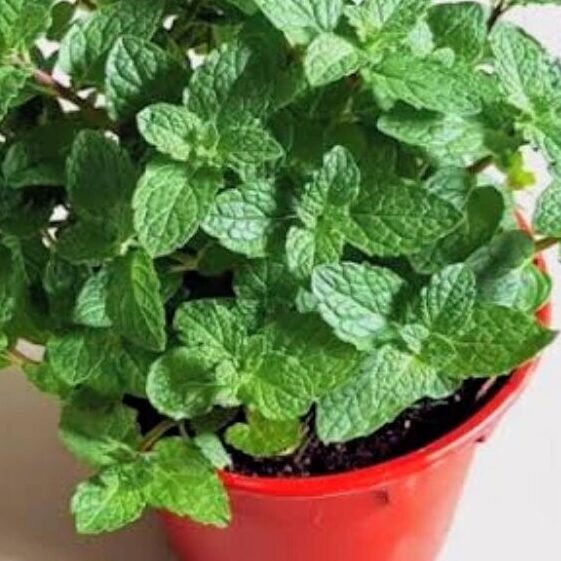
Mint is ideal for chutneys, refreshing drinks, and everyday cooking. Grow it separately because its spreading roots can crowd neighbouring plants.
5. Indoor Kitchen Gardening: Growing Food Without a Balcony
Don’t have a balcony or backyard? You can still grow selected herbs and microgreens indoors.
Choose a bright windowsill that receives sufficient sunlight. Basil, mint, and some leafy greens can grow indoors, although their productivity depends on available light.
Microgreens are another excellent option for beginners. Fenugreek, radish, mustard, and pea shoots can be grown in shallow trays and harvested while young.
For successful indoor gardening:
- Place plants near a bright window.
- Use suitable full-spectrum grow lights when natural sunlight is insufficient.
- Ensure good air circulation.
- Avoid overwatering and use containers with drainage.
- Rotate pots periodically for balanced growth.
Remember that indoor ornamental plants and edible kitchen plants have different requirements.
Only consume plants that are correctly identified as edible and grown using food-safe materials.
6. Watering, Feeding, and Maintaining Your Kitchen Garden
Watering is one of the most important gardening skills to develop.
Instead of watering every plant according to a fixed schedule, check the soil. Insert your finger about an inch into the potting mix. If the upper layer feels dry, check whether the plant needs water.
Water thoroughly until excess water drains from the bottom. Avoid leaving containers standing in water.
Feed vegetables with mature compost or an appropriate fertiliser according to their needs. Fruiting plants such as tomatoes may require additional nutrients during flowering and fruit development.
Regularly remove dead leaves, inspect plants for pests, and provide climbing supports where necessary.
7. Common Kitchen Gardening Problems and How to Fix Them
Even expert gardeners run into troubles. The secret to a thriving garden isn’t avoiding problems altogether—it’s knowing how to read your plants’ signals and fix issues early.
Problem 1: Yellow Leaves
Possible causes include overwatering, nutrient deficiencies, and insufficient sunlight.
Solution: Check soil moisture and drainage first. Assess the plant’s light conditions before adding fertiliser.
Problem 2: Wilting Plants
Wilting can result from underwatering, root damage, excessive heat, or waterlogged soil.
Solution: Check the soil before watering. Move heat-stressed plants to a cooler location with suitable light.
Problem 3: Aphids and Other Pests
Aphids, whiteflies, and caterpillars can damage edible plants.
Solution: Inspect leaf undersides regularly. Remove small infestations manually or use a suitable insecticidal soap labelled for edible crops.
Problem 4: Slow or Weak Growth
Insufficient sunlight, poor nutrition, overcrowding, and unsuitable temperatures can restrict growth.
Solution: Improve lighting, thin crowded seedlings, and check the plant’s growing-season requirements.
8. Seasonal Kitchen Gardening in India
Growing seasons vary considerably across India. In northern regions, winter vegetables often perform well from October onwards, while warm-season crops thrive after temperatures rise.In coastal and tropical areas, planting schedules may be different. Follow your local weather conditions rather than relying entirely on the calendar.
Winter : Spinach, peas, carrots, radishes, coriander
Summer : Okra, cucumber, bitter gourd, amaranth
Monsoon : Okra, beans, suitable gourds and leafy greens
9. Five Simple Tips for a Successful First Harvest
Start small: Grow a handful of vegetables and herbs before investing in additional containers.
Observe your plants: Spend a few minutes checking leaves, soil moisture, and new growth each day.
Use compost wisely: Incorporate mature compost to improve soil structure and supply nutrients.
Harvest regularly: Picking suitable leaves and mature vegetables can encourage continued production in many crops.
Keep a gardening diary: Record planting dates, watering habits, seasonal changes, and harvest results.
Don’t be discouraged if your first tomato plant produces only a few fruits or your coriander bolts earlier than expected. Every growing season teaches you something valuable.
Conclusion/Start Small, Grow Big
The absolute best way to succeed at kitchen gardening for beginners is to start small. Buy two or three healthy herb plants from a local nursery, place them on your sunniest window ledge, and get comfortable with their routine.
Once you taste fresh basil from your own sill or clip fresh chives over your morning eggs, you’ll be hooked. Kitchen gardening isn’t about perfection; it’s about enjoying the process, learning as you go, and bringing fresh, healthy flavor straight into your home.
Frequently Asked Questions (FAQs)
1.What are four types of kitchen gardens?
- in-ground gardens
- Raised bed gardens
- container garden
- vertical garden
2.What is the easiest food plant to grow indoors for beginners?
Herbs like mint, chives, and basil, as well as microgreens, are the easiest plants for beginners. They require minimal space, adapt well to pots, and mature quickly.
3.How long does it take to harvest vegetables from a kitchen garden?
Microgreens may be ready within one to three weeks, radishes often take around four to six weeks, and tomatoes generally require several months, depending on the variety and condition
4.Can I use kitchen waste as fertiliser?
Yes. Suitable fruit and vegetable scraps can be composted and used after they have fully decomposed. Avoid placing large amounts of raw food waste directly around plant roots.
5.What are some ideas for a home kitchen garden?
YOU can create a thriving home kitchen garden by using any windowsill, balconies, or raised beds to grow fresh herbs and