
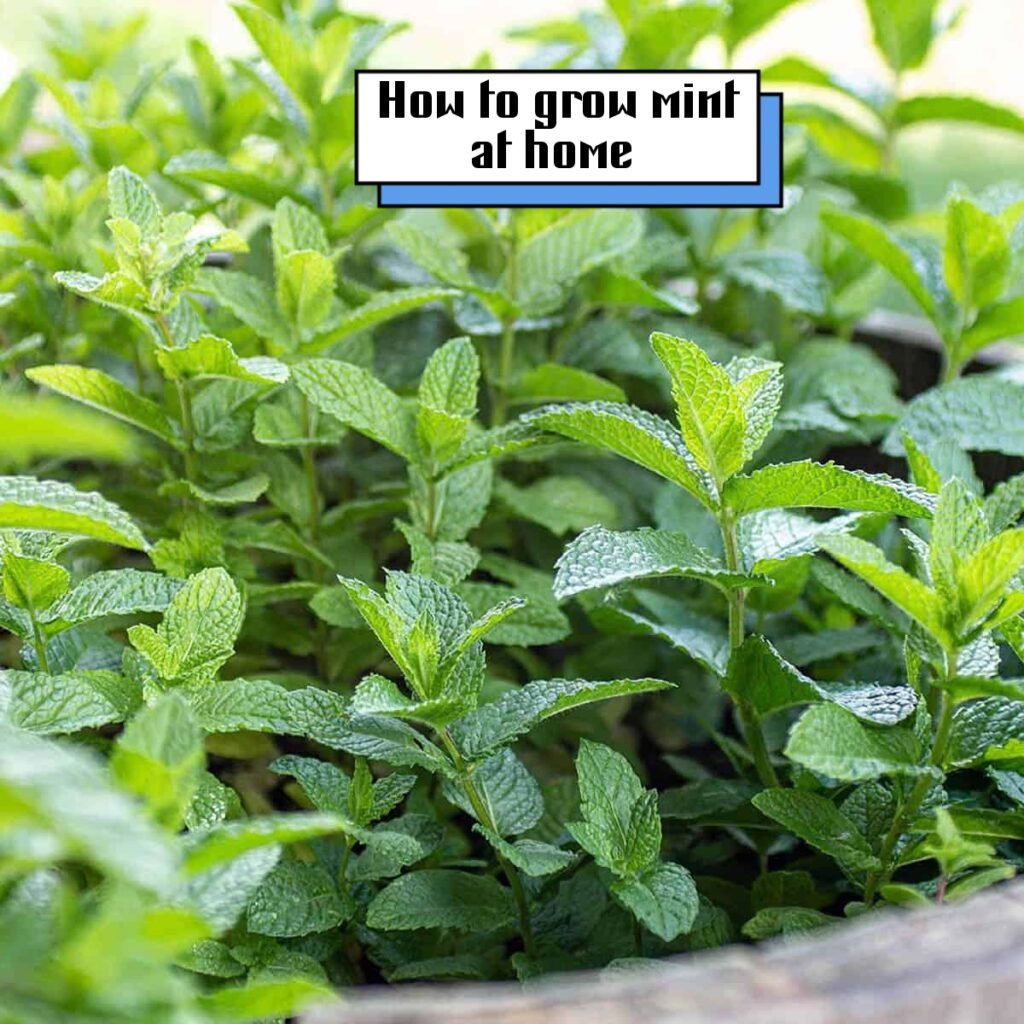
Learn how to grow mint at home easily indoors or outdoors. Discover simple care tips, watering routines, harvesting hacks, and containment secrets.
If you have ever thought about starting a home herb garden, mint is one of the absolute best plants to begin with. It is resilient, fast-growing, forgiving of beginner mistakes, and generous with its yield. However, it also comes with a bit of a reputation. If you let it run wild in an open garden bed, mint will take over your entire yard like an overambitious landlord.
Whether you want to cultivate a windowsill pot in a tiny apartment or maintain a lush container on your patio, this guide covers everything you need to know to grow mint at home successfully without letting it take over your life.
If you are a beginner gardener or simply want fresh herbs available whenever you need them, learning how to grow mint at home is a great place to begin.
Why Growing Mint at Home is Worth It
Growing your own mint offers several practical benefits:
Mint is a perennials, aromatic herb. Leaves of the Mint plant are loaded with essential oil and aromatic compounds It is also used in Herbal medicine, cosmetics and toiletries.
Unbeatable Freshness: Store-bought mint in plastic clamshells often turns into dark, slimy mush within two days. Harvesting fresh sprigs right when you need them keeps flavor at its peak
Cost-Effective: A single nursery starter plant or a bundle of supermarket mint cuttings can yield fresh leaves for years.
Natural Pest Deterrent: The high concentration of natural aromatic oils in mint leaves repels garden pests like aphids, cabbage moths, and even mosquitoes.
Versatility in the Kitchen: Mint works across sweet and savory spectrums—from teas and cocktails to salads, chutneys, tzatziki, and baked goods.
Health Benefits Of Mint and it use :
Abdominal disorder
Benefits of digestion
Benefits in vomiting
Relief from headache
Benefits of toothache and mouth ulcer
Loss f appetite
Choosing the Right Variety to Grow Mint
Mint belongs to the genus Mentha, and while there are dozens of hybrids, a few popular types dominate home gardens:
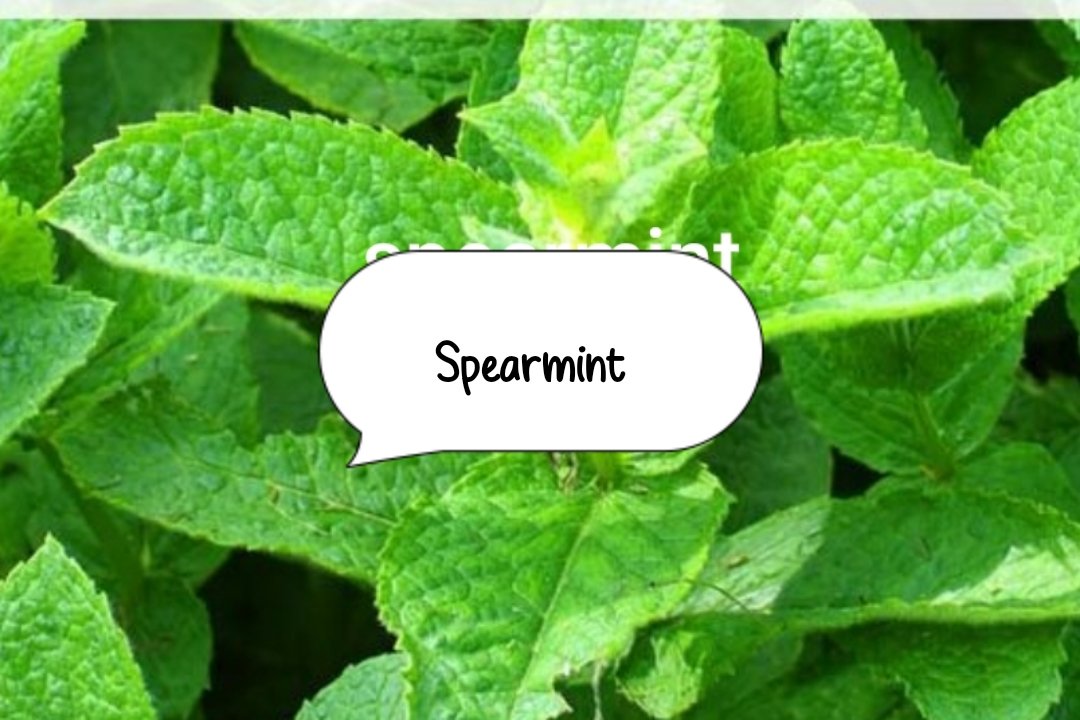
Spearmint (Mentha spicata)
Classic, sweet, cool, and mild
Teas, mojitos, summer salads, chutneys
Peppermint (Mentha × piperita)
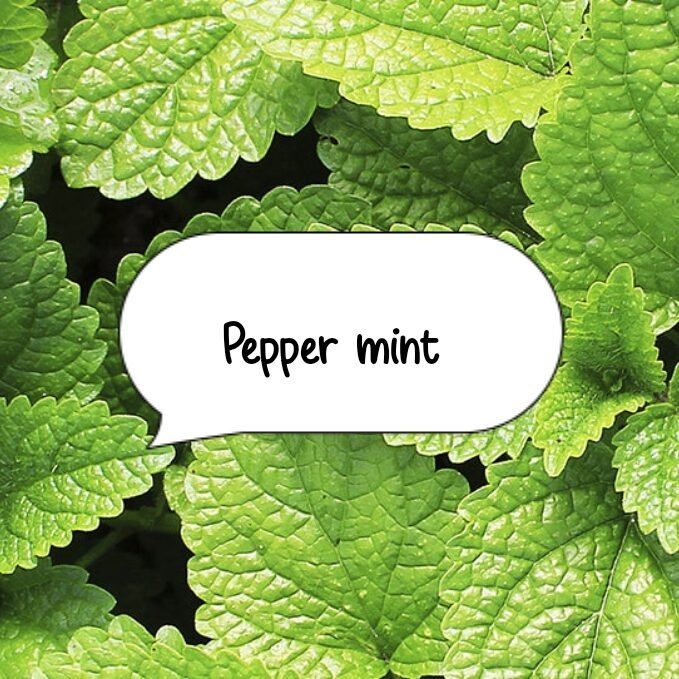
Strong, sharp, high menthol pack
Herbal infusions, desserts, medicinal remedies
Fast-spreading
Chocolate Mint
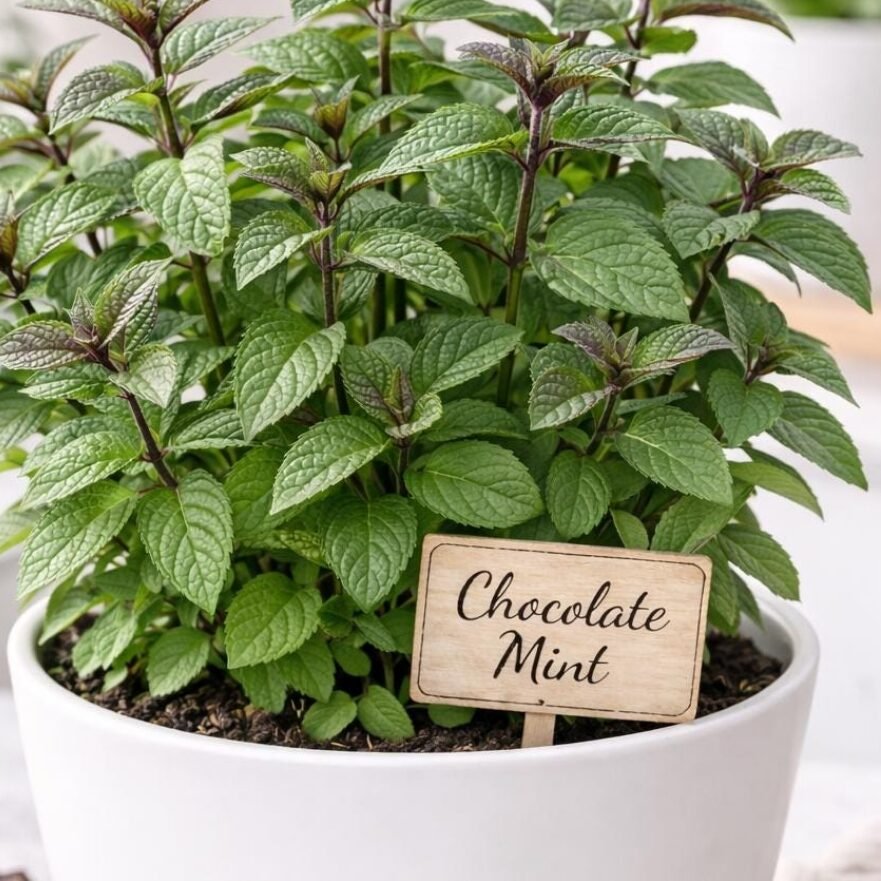
Sweet aroma with subtle cocoa undertones
Ice creams, baked goods, dessert garnishes
Moderate growth
Pineapple Mint
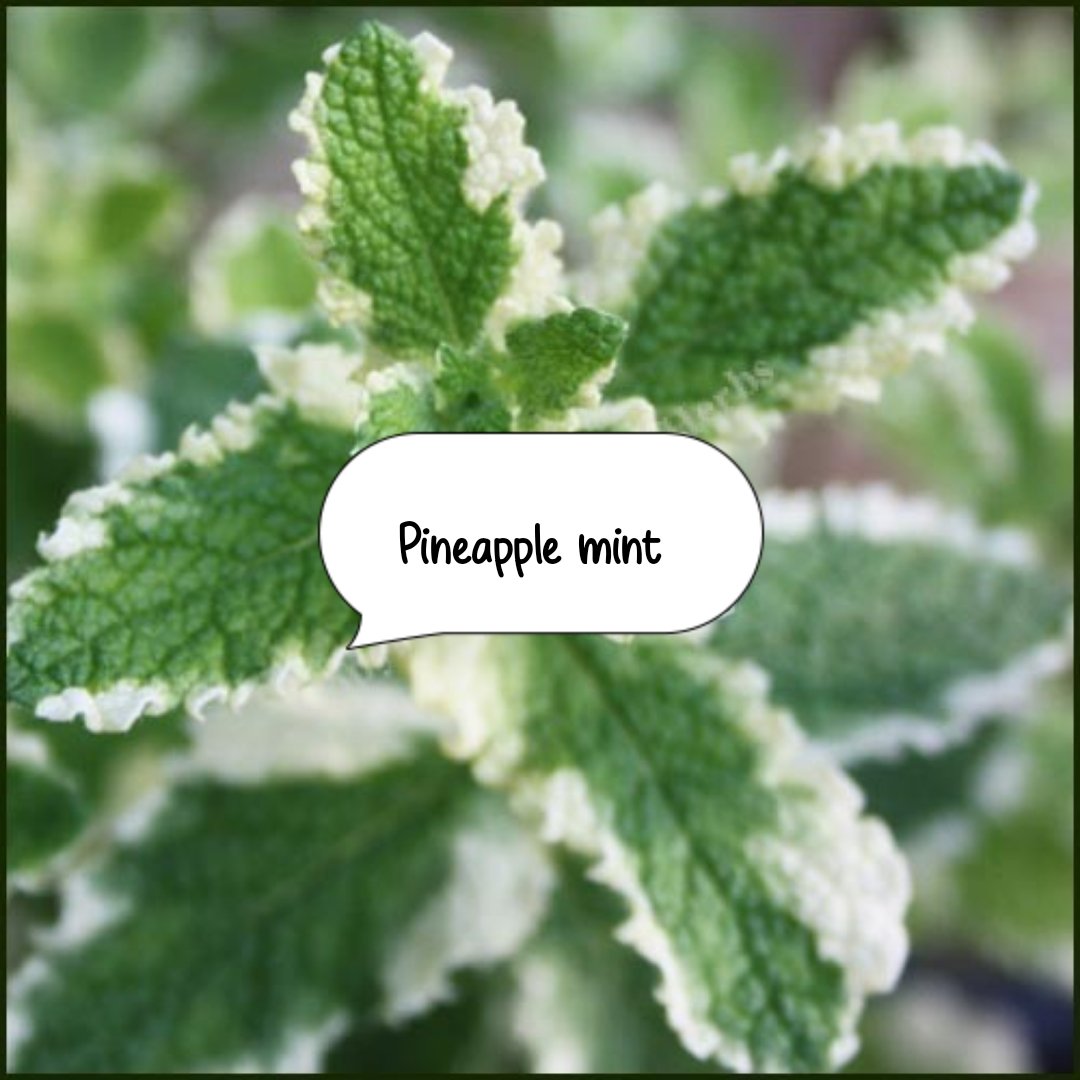
Fruity aroma with variegated leaves
Fruit salads, visual garden accents
Slower-growing
Apple Mint
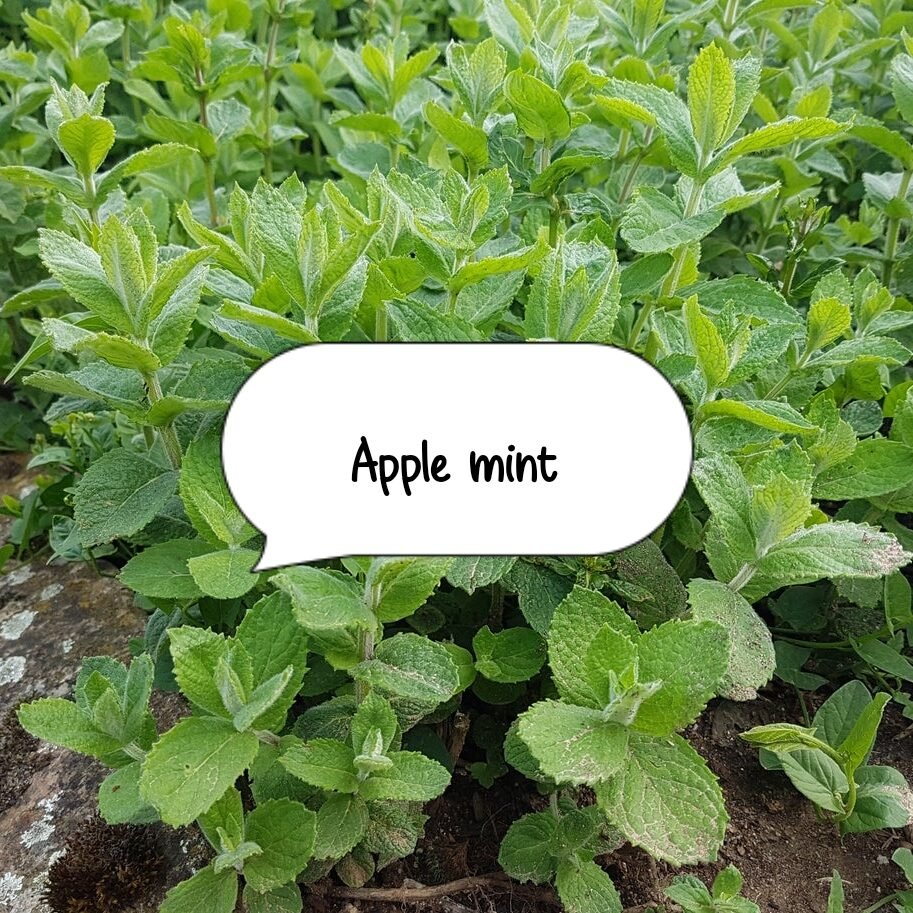
Soft, fruity flavor with fuzzy leaves
Mild cold teas, fruit juices
Pro Tip: For general cooking, teas, and beverages, start with Spearmint or Peppermint. They are hardy and yield the highest oil content.
How to Get Started: Seeds, Cuttings, or Nursery Starts?
When deciding how to grow mint at home, you have three choices: starting from seeds, propagating from store-bought cuttings, or buying a nursery plant.
1. From Nursery Plants (Easiest)
Buying a small established plant from a local garden center gives you an immediate head start. You get to smell and taste the leaves before buying to ensure you like the flavor profile.
2. From Cuttings (Most Satisfying)
Mint roots in water with incredible speed. If a neighbour has a plant or you have fresh, crisp mint sprigs from the grocer:
1.Snip a 4- to 6-inch healthy stem just below a leaf node.
2.Strip off the lower leaves, leaving only the top 4–6 leaves.
3.Place the stem in a clean jar of filtered water on a sunny sill.
4.Change the water every two days.
5.Roots will sprout within 7 to 10 days.
6.Once roots reach 1–2 inches long, plant the cutting in potting soil.
3. From Seeds (Not Recommended)
While possible, growing mint from seed can be frustrating. Mint seeds are notoriously slow to germinate, and hybrid varieties like Peppermint do not grow true to seed—meaning the resulting plant may lack the intense flavor you expect.
Planting Mint Step-by-Step
Choose the Right Container
Crucial for controlling root expansion
Always select a container with drainage holes at the bottom. Mint forms subterranean stems called runners (stolons) that spread rapidly. A pot with a diameter of 8 to 12 inches and a depth of 6 to 8 inches provides plenty of room for root development while keeping the plant contained.
Prepare the Soil Mix
Ensure well-draining, rich medium
Mint isn’t overly pick about soil, but it thrives in well-draining, organic-rich potting soil with a pH between 6.0 and 7.0. Mix standard potting soil with a handful of compost or perlite to improve aeration and moisture retention.
Planting the Mint
Set roots at proper depth
Fill your pot two-thirds full with potting mix. Place your rooted cutting or nursery plant in the center, ensuring the top of the root ball sits about an inch below the container rim. Fill in around the sides with soil, pressing lightly to remove air pockets.
Initial Watering
Settle the roots in placeWater thoroughly until excess water drains out from the bottom holes. Place the pot in a spot that receives adequate light.
The Essential Mint Care Routine
Once established, mint requires minimal fuss. Follow these simple guidelines to keep your plant lush and green year-round.
Sunlight Requirements
Mint loves partial shade to full sun. Outdoors, it thrives best with 4 to 6 hours of morning sunlight followed by light afternoon shade, especially in hotter climates. Indoors, place it near a south- or east-facing window. If leaves look leggy and stretched out, the plant is asking for more light.
Watering Rules
Mint likes moist—but not waterlogged—soil.
Check the top inch: Poke your finger into the soil. If the top inch feels dry, water deeply until moisture trickles out of the drainage holes.
Avoid overwatering: Yellowing leaves and soggy soil usually signal root rot.
Maintain consistency: Letting the soil dry out completely causes leaves to crisp up and drop.
Temperature and Humidity
Mint is cold-hardy and copes well with varying conditions. It prefers temperatures between 55°F and 75°F (13°C–24°C). If growing indoors during winter, keep pots away from dry heating vents and cold drafts.
Feeding and Fertilizer
Mint is a light feeder. Over-fertilizing can diminish the aromatic oils that give the leaves their flavor. Feed your plant once in early spring with a balanced, diluted organic liquid fertilizer (like fish emulsion or kelp meal). Indoors, a weak feed once every two months during spring and summer keeps growth steady.
How to Harvest and Prune Mint for Maximum Yield
The secret to a bushy, healthy mint plant is regular harvesting. The more you pick, the more it grows!
Harvesting Techniques
Harvest in the Morning: Pick leaves in the morning after dew dries, as essential oil concentration peaks before afternoon heat.
Snip Above Stem Nodes: Always cut stems just above a pair of leaves. This encourages the plant to branch out into two new stems at that point, doubling your future yield.
Never Strip the Plant Bare: Take what you need, but leave at least one-third of the plant intact so it can recover and keep photosynthesize.
Preventing Flowering (Bolting)
When mint gets mature or heat-stressed, it attempts to produce small purple or white flowers. Once it flowers, stem energy shifts toward seed production, causing leaves to taste bitter and woody. Pinch off flower buds as soon as you see them forming.
Use clean scissors or garden shears to cut stems just above a pair of healthy leaves.Instead of repeatedly picking individual leaves, you can harvest small sections of stems. This encourages branching and new growth.
Controlling Mint: Container vs. Garden Bed
Growing mint directly in ground garden beds, take strict precautions to prevent it from invading neighbouring plants:
1.In-Ground Pot Barrier: Sink a bottomless 12-inch deep bucket or nursery pot into the ground, leaving the rim 2 inches above soil level. Plant your mint inside this submerged container.
2.Physical Separation: Keep in-ground plantings isolated near concrete pathways or isolated garden corners bounded by hard barriers.
3.Routine Inspection: Check perimeter runners every few weeks during peak growing season and clip away strays.
Common Mint Growing Problems
Leggy, Sparse Stems: Caused by insufficient sunlight or lack of pruning. Move the pot to a brighter location and trim stems back by half.
Powdery Mildew: White, powdery spots on leaves usually indicate high humidity coupled with poor airflow. Thin out dense growth, water only at the soil base (avoid wetting leaves), and ensure good air circulation.
Rust Fungus: Small orange-brown spots on the undersides of leaves. Prune away affected stems immediately and discard them in the trash (do not compost).
Pests (Aphids & Spider Mites): Blast pests off with a strong spray of water, or apply a gentle spray of diluted insecticidal soap or neem oil.
Mint Growing Tips for Indian Homes
Mint growing conditions can vary significantly between regions.
During very hot summer weather, protect mint from intense afternoon sunlight and monitor the soil more frequently.
During the monsoon, pay particular attention to drainage. Frequent rain combined with poor drainage can leave the roots too wet.
In cooler months, mint may grow more slowly, so don’t worry if you notice less new growth.
The important thing is to adjust watering and light according to the season rather than treating the plant exactly the same throughout the year
Internal Link/ READ MORE -“what-are-10-low-maintenance-indoor-plant-for-busy-people/
2″.how-to-grow-10-herbs-in-pot-at-home/”
External Link–https://www.wikihow.com/Grow-Mint
Frequently Asked Questions
Can I grow mint indoors year-round?
Yes! Mint grows well indoors if given at least 4 to 6 hours of bright light daily. If natural window sunlight is limited, place the pot under a standard LED grow light positioned 6 to 12 inches above the plant for 12 hours a day.
Why are my mint leaves turning yellow?
Yellow leaves typically point to overwatering or poor drainage. Check that the pot draining properly and allow the top inch of soil to dry out between waterings. Yellowing can also signal nitrogen deficiency in older potted soil.
How long does a mint plant live?
Mint is a hardy perennial. Pots can thrive for 3 to 5 years before root-binding occurs. Refresh potted soil or divide root stocks every couple of years to keep growth vibrant.
Is mint toxic to pets?
Peppermint and spearmint contain essential oils that can cause mild digestive upset (vomiting or diarrhoea) in cats and dogs if consumed in large quantities. Keep plants out of reach of curious pets.
How do I preserve and store fresh harvested mint leaves long-term through drying or freezing?
Preserving fresh mint comes down to how you plan to use it later: drying is best for hot teas, herbal infusions, and spice rubs, while freezing locks in fresh color and essential oils for drinks, soups, and cooked dishes.
Can mint grow indoors?
Yes. Mint can grow indoors if it receives plenty of bright natural light. A sunny windowsill can be a good location.