
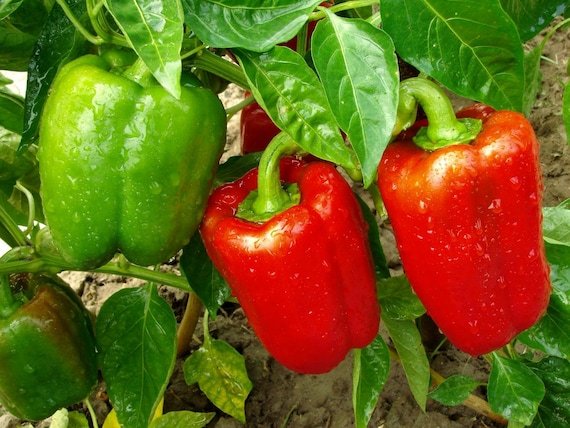
Learn how to grow capsicum in a pot from seed to harvest. Master container selection, soil preparation, watering, and pest care for crisp bell pepper
Capsicum botanical name is Capsicum annulment.Botanically berries that’s develops in various colors including green(unripe) yellow red, and orange
Capsicum is a favourite in many kitchens. Its fresh, slightly sweet and crunchy taste can make an ordinary vegetable dish, stir-fry, pizza, noodles, or salad much more enjoyable. But there is one problem—capsicum can be quite expensive, especially when you need it regularly for cooking. Buying it frequently may not fit comfortably into everyone’s kitchen budget.
Growing capsicums in containers is surprisingly easy, highly productive, and a great way to make the most of small urban spaces. Potted capsicums give you total control over soil quality, moisture levels, and sunlight exposure.
In this guide, we’ll explain how to grow capsicum in a pot, including choosing the right container, soil, sunlight, watering, feeding, common problems, and harvesting
Why Grow Capsicums in Pots?
If you have ever tried growing peppers in heavy clay soil, you know the struggle—poor drainage, cool soil temperatures, and soil-borne diseases. Growing in containers solves these challenges instantly.
Warmth Control: Pepper roots love heat. Container soil warms up much faster in spring than ground soil, accelerating root development and early growth.
Mobility: Did a surprise heatwave hit? Or a chilly cold snap? You can simply pick up your pots and move them to a protected spot.
Pest and Weed Management: Potted soil isolates your plants from aggressive ground weeds and cutworms hiding in garden beds.
Perfect Drainage: Waterlogging is the quickest way to kill a pepper plant. High-quality potting mix inside a well-draining container prevents root rot effortlessly.
Step 1: Picking the Right Container and Variety
A common mistake beginners make is choosing a pot that is too small. Capsicums develop fibrous root systems that require plenty of room to support tall stems and heavy fruit loads.
Choosing the Container
Volume: Aim for a container that holds at least 3 to 5 gallons (12 to 20 liters) per plant. A pot size of 12 to 14 inches in diameter and depth is ideal.
Material: Fabric grow bags, terracotta, or sturdy food-grade plastic pots all work well. Fabric pots are particularly great because they “air-prune” roots, preventing them from circling the pot.
Drainage: Ensure the bottom has multiple generous drainage holes. Standing water will cause root damage quickly.
Choosing the Right Variety
While standard red, green, yellow, and orange bell peppers can all thrive in containers, compact or bush cultivars perform exceptionally well:
Before planting, decide which type of capsicum you want to grow
Common varieties include:
- Green capsicum
- Red bell pepper
- Yellow bell pepper
- Orange bell pepper
- Mini or baby bell pepper.
- For container gardening, look for compact or container-friendly varieties. These generally stay more manageable than very large plants
- If you’re growing For container gardening, look for compact or container-friendly varieties. These generally stay more manageable than very large plants For container gardening, look for compact or container-friendly varieties. These generally stay more manageable than very large plants the first time, green capsicum can be a practical choice because it can be harvested before the fruit reaches full colour.
California Wonder: A classic heirloom known for produce-stand-worthy blocky fruits.
King of the North: Excellent for cooler climates with shorter summers due to fast maturity.
Lunchbox / Mini Sweet Peppers: Smaller plants that yield dozens of sweet, bite-sized fruits per pot.
Use a Well-Draining Potting Mix:
Never shovel dirt directly out of your yard into a pot. Garden soil compacts in containers, suffocating roots and impeding drainage. Instead, build an airy, nutrient-dense potting mix.
Use a Well-Draining Potting Mix:
2 parts Quality Potting Mix or Coco Peat: Provides lightness and holds gentle moisture.
1 part Well-Rotted Compost or Worm Castings: Adds organic matter and beneficial micro-organisms.
1 part Perlite or Coarse Sand: Creates air pockets for root respiration and lightning-fast drainage.
Capsicums prefer a slightly acidic to neutral soil pH between 6.0 and 6.8. Most commercial potting mixes fall right into this sweet spot.
Step 3: Planting — From Seed or Nursery Transplant
You can start capsicums from seed or grab healthy young transplants (seedlings) from a local nursery.
Starting from Seed :
1.Timing: Sow seeds indoors 6–8 weeks before your region’s last spring frost.
2.Sowing: Plant seeds 1/4 inch (0.6\text{ cm}) deep into moist seed-starting mix.
3.Heat is Key: Capsicum seeds require warm soil (75–85°F / 24–29°C) to germinate quickly. Use a heating mat if your home is chilly. Expect sprouts within 7–14 days.
Transplanting into Final Pots :
1.Fill your container with soil, leaving about an inch of rim space at the top for easy watering.
2.Dig a small hole in the center.
3.Carefully place the seedling in the hole at the exact same depth it was growing in its nursery cell.
4.Gently firm the soil around the stem base and water thoroughly until water drips out of the drainage holes.
Step 4: Sun, Water, and Feeding Routine
To get crisp, thick-walled bell peppers, you need to balance three main growth factors: light, water, and nutrients.
Give Your Capsicum Plenty of Sunlight
Capsicums are sun worshippers. Place your pot where it will receive at least 6 to 8 hours of direct, unfiltered sunlight daily. If you are growing on a hot balcony where summer temperatures routinely exceed 95°F (35°C), afternoon shade or a light shade cloth can keep the blooms from dropping.
Smart Watering Strategy
Container plants dry out faster than garden beds. Inconsistent watering leads to stunted growth, leaf drop, and blossom-end rot (a sunken black patch on the bottom of peppers).
The Finger Test: Insert your index finger an inch (2.5\text{ cm}) into the soil. If it feels dry, water deeply until runoff occurs. If it feels damp, wait another day.
Summer Care: During peak summer heat, potted capsicums often require daily watering. Always water the base of the plant—avoid wetting the leaves to prevent fungal issues.
Feed the Plant for Healthy Growth
Capsicums are heavy feeders. Because watering container plants washes nutrients out over time, consistent feeding is critical:
Weeks 1–4 (Vegetative Stage): Apply a balanced organic liquid fertilizer (like a 5-5-5 NPK or fish emulsion) every 2 weeks to encourage sturdy stems and deep-green foliage.
Flowering & Fruiting Stage: Once white flowers start opening, switch to a fertilizer higher in potassium (K) and phosphorus (P) (such as a tomato or bloom-booster formula) every 2–3 weeks.
Avoid high-nitrogen fertilizers at this stage, as too much nitrogen causes giant leafy plants with very little fruit.
Step 5: Pruning, Staking, and Maintenance
Small tweaks during the growing season can dramatically improve your final harvest.
Pinch Early Flowers: If young plants try to bloom when they are less than 12 inches tall, pinch off those first flower buds. This forces the plant to invest energy into building a strong root structure and thick stem before supporting heavy fruit.
Stake Early: Potted capsicums get top-heavy once they load up with fruits. Insert a sturdy bamboo stake or small tomato cage into the container at planting time so you don’t disturb the root ball later.
Mulching: Apply a 1-inch layer of organic mulch (such as straw or shredded bark) over the soil surface. This locks in soil moisture and keeps root temperatures stable on blistering summer days.
Step 6: Pest Control and Disease Prevention
While container-grown peppers face fewer disease pressures than ground-grown crops, keep an eye out for these common issues:
Aphids & Mites
Symptom : bugs clustered under leaves, sticky sap residue, or curled leaves.
Solution : Spray leaves with strong water jets or apply organic neem oil spray in the evening.
Blossom-End Rot
Symptom : Dark, leathery, sunken rot spot on the bottom of green peppers.
Solution :Caused by calcium uptake issues due to inconsistent watering. Maintain steady soil moisture.
unscathed
Symptoms: Leave healthy foliage intact to shade fruits; use shade cloth during heatwaves.
Solution : Leave healthy foliage intact to shade fruits; use shade cloth during heatwaves.
Yellowing Leaves
Symptom : Lower leaves turning pale or light yellow.
Solution: Usually a sign of overwatering or nitrogen deficiency. Adjust watering frequency and apply mild liquid feed.
Harvesting Your Homegrown Capsicums
Most capsicum varieties take 60 to 90 days after transplanting to yield mature fruit.
You can harvest capsicums at the green stage once they reach full size and feel firm to the touch. Alternatively, leave them on the plant for another few weeks—they will ripen into brilliant shades of red, orange, or yellow. Fully colored peppers are noticeably sweeter and packed with higher concentrations of Vitamin C!
Harvest Tip: Always cut the pepper stems clean with sharp shears or a clean pruning knife. Pulling or twisting fruits by hand can easily snap fragile branches or uproot container-grown plants.
Internal Link/READ MORE -“how-to-start-kitchen-garden-at-home”
2.”organic-gardening-for-beginners-easy-steps-to-thriving-garden”
External Link-https:/en.wikipedia.org
Conclusion
Learning how to grow capsicum in a pot doesn’t require a huge garden or years of gardening experience. With a suitable container, fertile soil, plenty of sunlight, careful watering, and a little patience, you can grow fresh capsicums right at home.
The process is especially rewarding because you get to see the entire journey—from seed or tiny seedling to flowering plant and finally to colourful peppers ready for your kitchen.Start with one healthy plant if you’re a beginner.
Give it a sunny spot, check it regularly, and learn as you go.And when you finally pick your first homegrown capsicum, don’t be surprised if you immediately start thinking, “Where can I fit another pot?”
Have you tried growing Capsicum plant? Let us know how successful you were! Share your experience and excitement.
Frequently Asked Questions (FAQ)
Can I grow capsicums in a pot indoors?
Yes, provided you have a south-facing window that receives 6–8 hours of bright direct sunlight daily. If light is limited, supplement natural light with a dedicated LED grow light positioned 12–18 inches above the foliage.
How many capsicum plants can I grow in one pot?
It is best to plant one capsicum plant per 3 to 5-gallon container. Overcrowding multiple plants in a single pot causes them to compete for root space and nutrients, resulting in small, stressed plants and lower yields.
Why are my capsicum flowers falling off without producing peppers?
Blossom drop is typically caused by extreme temperatures (either daytime temps over 90°F / 32°C or night temps under 55°F / 13°C), inconsistent watering, or excessive nitrogen fertilizer. Maintain steady moisture and switch to a potassium-rich fertilizer during flowering.
Do capsicums come back every year?
Botanically, capsicum plants are tender perennials. In frost-free or tropical climates, they can live and bear fruit for several years. In colder zones, gardeners treat them as annuals or bring their pots indoors to overwinter in a frost-free area.
what are benefits of Capsicum?
Capsicum (Bell peppers)provides powerful health support because it is rich in vitC,antioxidants and dietary fiber while remaining very low in calories