
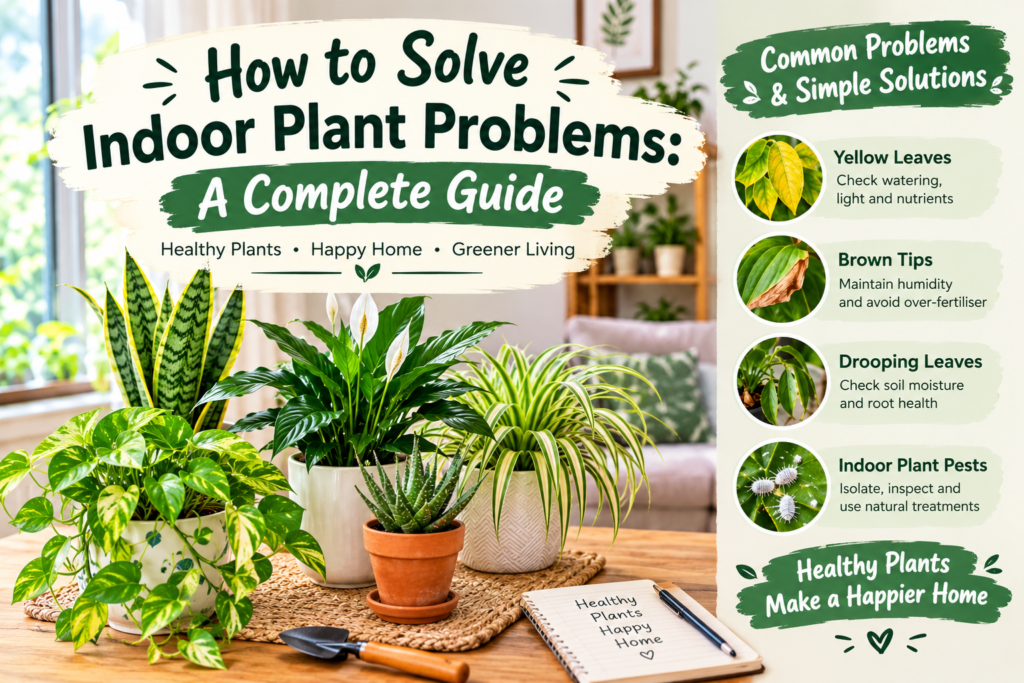
Confused how to solve Indoor Plants problem?
We’ve all been there: you bring home a lush, vibrant green plant from the nursery, talk to it like a roommate, and give it a prime spot on your desk.
Fast-forward three weeks, and it looks like it’s going through a full-blown midlife crisis. Yellowing leaves, droopy stems, or mysterious brown spots leave you wondering, “What did I do wrong?”First off, don’t panic. You don’t have a “black thumb”—you just haven’t learned how to read your plant’s body language yet. Houseplants are surprisingly expressive; they just communicate in leaves instead of words.
Whether you are dealing with soggy soil, crispy tips, or uninvited bug visitors, this guide how to solve Indoor plant problems, will help you diagnose the issue and bring your indoor jungle back to life.
In this guide, we’ll explore the best indoor plants for beginners, common plant problems, their causes, and practical troubleshooting tips to help your greenery thrive.
1. The Big Six: Diagnosing Common Leaf Symptoms
Leaves are your plant’s primary diagnostic screen. Here is how to decode what those sudden changes mean.
Yellow Leaves
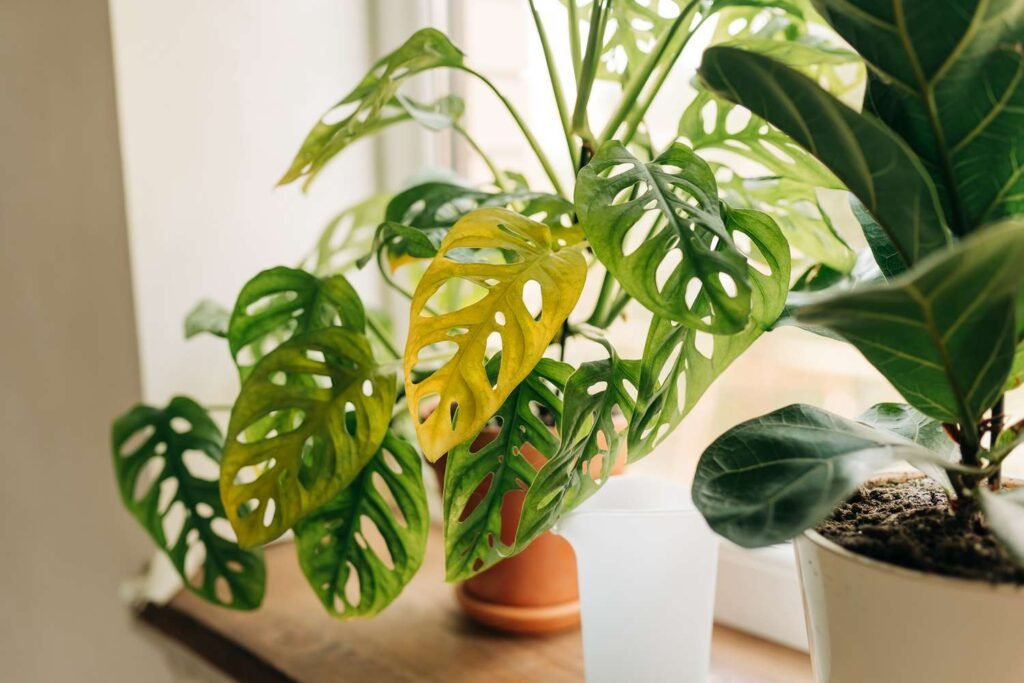
- The Culprit: Overwatering is the #1 offender, but severe underwatering or nutrient deficiency can also cause yellowing.
- How to Tell the Difference:
- If the leaves are yellow, soft, and slightly squishy, you are overwatering.
- If the leaves are yellow, dry, and crispy, your plant is desperate for a drink.
- The Fix: Feel the top two inches of soil. If it feels like a wet sponge, stop watering immediately and let it dry out. If it’s bone dry, give it a thorough soak until water drains out of the bottom.
Brown, Crispy Leaf Tips
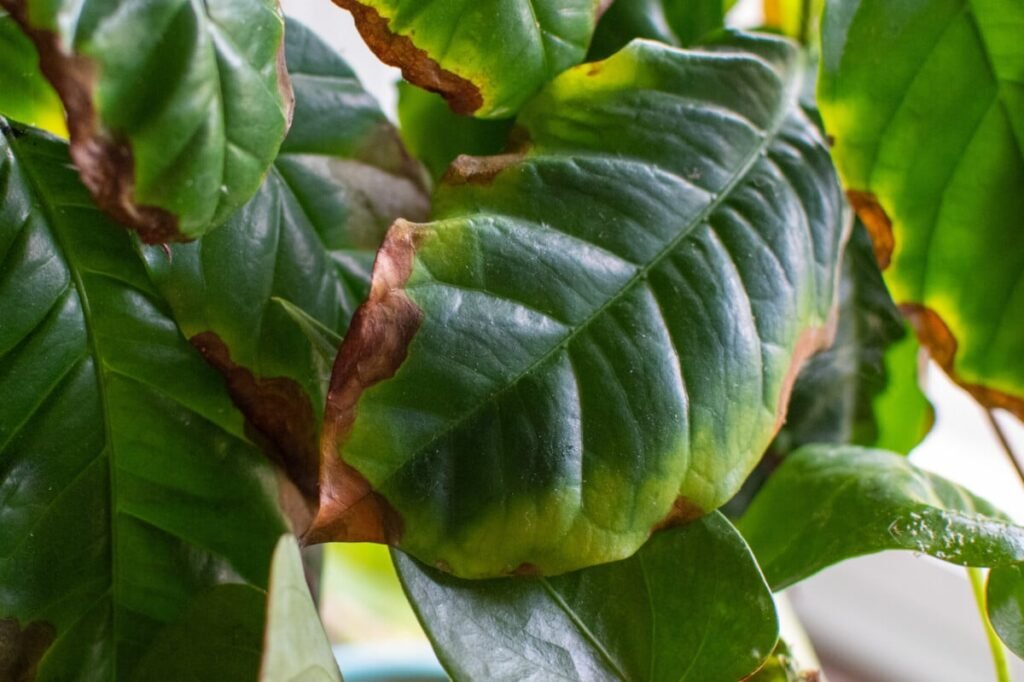
- The Culprit: Low humidity, tap water sensitivity, or under-watering.
- How to Fix It: Tropical plants (like Calatheas, Ferns, and Peace Lilies) crave humidity. Boost moisture levels by grouping plants together, running a humidifier, or placing your pot on a tray filled with pebbles and water. If you suspect hard tap water is the issue, switch to filtered or rainwater.
Drooping or Wilting Stems
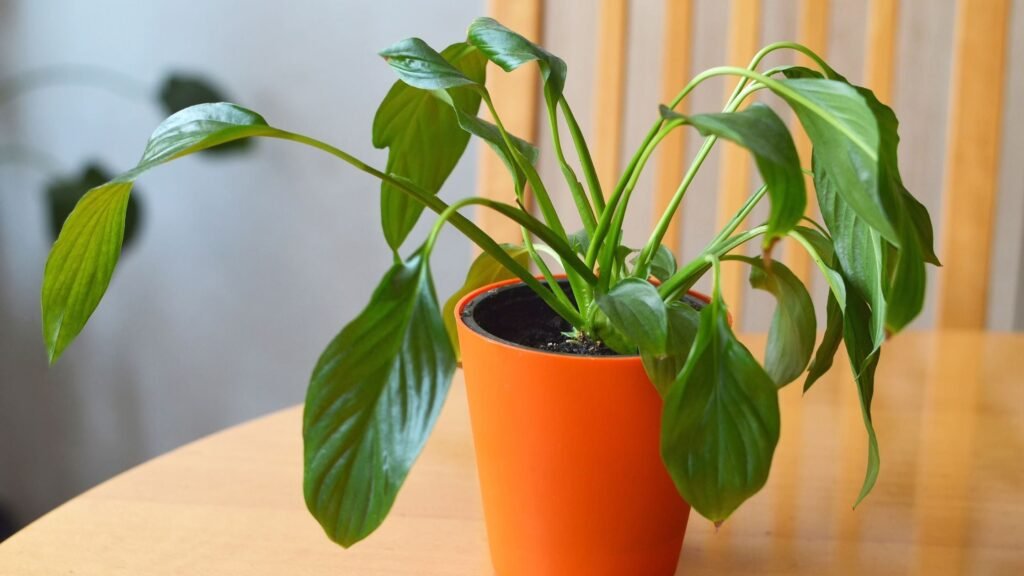
- The Culprit: Root stress—either from extreme thirst or severe root rot.
- How to Fix It: Check the moisture level. If the soil is dry, a deep water session should perk it up within a few hours. If the soil is soaking wet and the plant is still drooping, the roots may have rotted and lost their ability to absorb water.
2. Root Rot: The Silent Plant Killer
Root rot happens when plants sit in waterlogged soil for too long, starving the roots of oxygen and causing fungal decay.
Healthy Roots: Firm, white/tan, odorless
Rotting Roots: Mushy, dark brown/black,
How to Save a Plant from Root Rot:
1.Unpot the Plant: Gently remove the plant from its container and shake off the wet soil.
2.Trim the Rot: Use sterilized scissors to cut away all soft, blackened, or foul-smelling roots.
3.Repot: Replant in fresh, well-draining soil mix using a pot with drainage holes.
4.Hold the Water: Hold off on watering for a couple of days to let the root wounds heal.
3. How to Deal with Uninvited Plant Pests
Indoor pests can appear out of nowhere, often arriving on new plants, through open windows, or in fresh bags of potting soil.
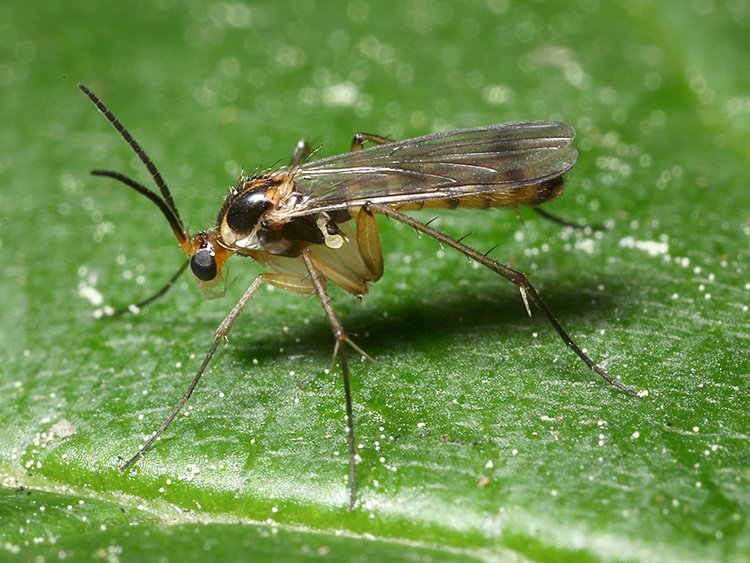
Fungus Gnats: Small, annoying flies hovering near the soil.
Solution: Let the top soil layer dry out completely between waterings. Use yellow sticky traps to catch adults, and water with Bacillus thuringiensis israelensis (BTI) mosquito bits to kill larvae in the soil.
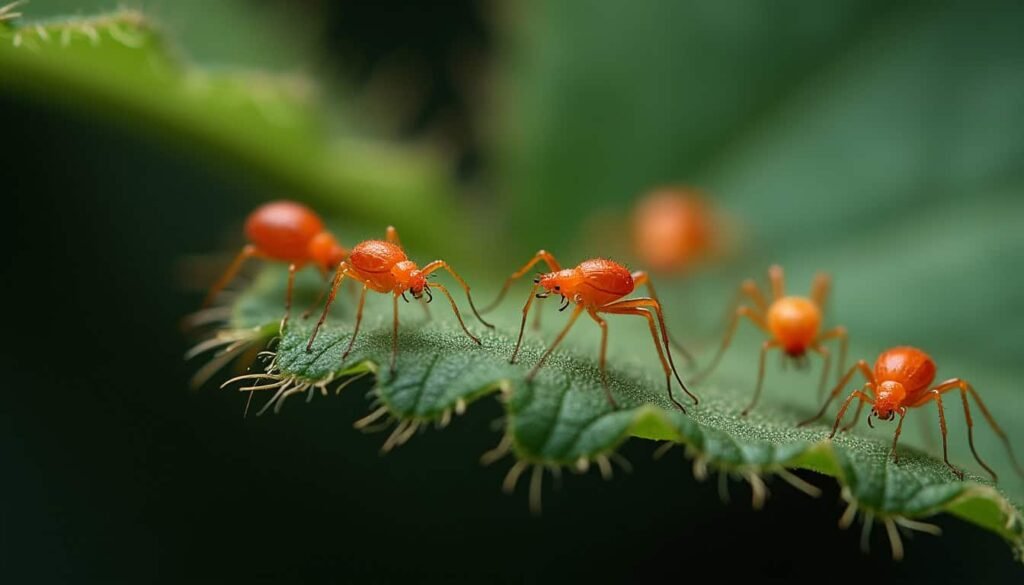
Spider Mites: Tiny webbing on the undersides of leaves and leaf joints.
Solution: Wipe down the leaves with a damp cloth, shower the plant to knock off mites, and spray thoroughly with diluted neem oil or insecticidal soap.
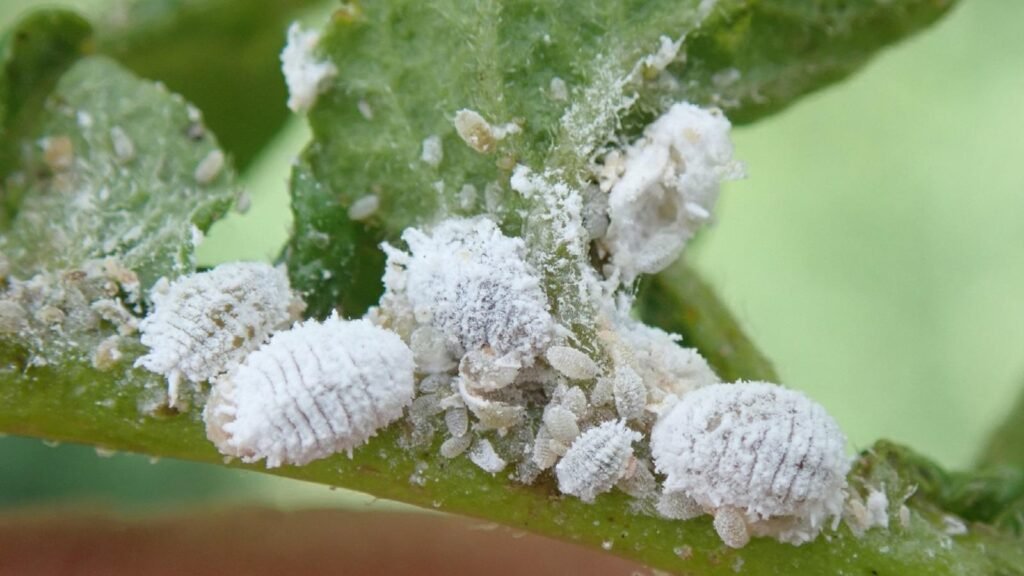
Mealybugs: White, cotton-like fluff hiding in leaf crevices.
Solution: Dab individual bugs directly with a cotton swab dipped in rubbing alcohol, then treat the whole plant with insecticidal soap.
Quarantine New Arrivals: Keep newly purchased plants isolated from your main collection for 1–2 weeks to make sure they aren’t carrying hidden pests
4. The Rules of Prevention: Keep Problems from Coming Back
Fixing a problem is great, but preventing it is even better. Keep these four golden rules in mind:
Always Use Pots with Drainage:
Never let a plant sit in standing water. Decorative pots without holes should be used as outer covers (“cachepots”) holding a plastic nursery pot inside.
Healthy roots are the foundation of a healthy indoor plant.
Choose a potting mix suited to your plant rather than using heavy garden soil. Tropical foliage plants often benefit from an airy mix containing coco coir, composted bark, and perlite. Succulents need faster-draining conditions.
Consider repotting when roots circle tightly inside the container, emerge from drainage holes, or when the potting mix dries unusually quickly.
Choose a pot only slightly larger than the existing root system. An excessively large container may retain too much moisture.
Adjust Care Seasonally:
Plants grow active during spring and summer, requiring more water and light. In winter, growth slows down significantly—cut back on watering frequency and pause fertilizing.
Because India’s changing seasons can influence indoor gardening, especially in homes without climate control.
During hot summers, keep sensitive tropical plants away from scorching afternoon sunlight.
Check soil moisture more frequently and maintain suitable humidity.
During winter, reduce watering when growth slows.
Protect tropical plants from cold drafts and avoid placing them directly beside heaters.
During the monsoon, monitor humidity and soil moisture carefully.
Persistently wet potting mix can encourage fungal problems and root rot.
Dust Your Leaves:
Dust buildup blocks sunlight from reaching the leaf surface, reducing photosynthesis. Wipe leaves clean with a damp microfiber cloth every few weeks.
Light plays an essential role in photosynthesis, growth, and overall plant health.
Bright light: Ideal for aloe vera and many succulents. Some plants need gradual acclimatisation before exposure to strong direct sunlight.
Bright indirect light: Suitable for pothos, peace lilies, rubber plants, and many tropical houseplants.
Low light: Snake plants and ZZ plants tolerate relatively low-light conditions, although they still require adequate illumination to grow.
If your plant develops long, weak stems or unusually small leaves, it may need more light. Conversely, bleached or scorched patches may indicate excessive direct sunlight
2.what-are-10-low-maintenance-indoor-plant-for-busy-people/
External Link/READ MORE —“The Hidden Reasons: How to Fix Common Indoor Plant Problems”
5.Five Indoor Plant Care Mistakes to Avoid
Watering every day: Most indoor plants do not require daily watering.
Using pots without drainage: Standing water increases the risk of root damage.
Applying too much fertiliser: Excess nutrients can burn roots and cause brown leaf tips.
Frequently changing plant locations: Sudden changes in light and temperature may stress sensitive species.
Ignoring early warning signs: Inspect leaves, stems, and soil regularly to identify problems before they spread.
A simple weekly inspection can make indoor plant maintenance much easier.
6.Simple Weekly Indoor Plant Care Routine
- Check soil moisture before watering.
- Inspect leaves for yellowing, brown spots, and pests.
- Remove dead or damaged foliage.
- Rotate pots occasionally for balanced growth.
- Wipe dust from large leaves using a soft, damp cloth.
- Check that drainage holes remain clear.
- Observe new growth and adjust care when necessary.
- There is no need to fertilise or repot every week. During active growth, feed plants according to their requirements and the fertiliser instructions.
Conclusion
Indoor gardening does not require a perfect green thumb. It requires a little patience, observation, and an understanding of what your plants need.
However Start with a few manageable varieties, learn to recognise common warning signs, and adjust your care routine as the seasons change.
With time, troubleshooting becomes easier, and caring for indoor plants can become one of the most enjoyable parts of your daily routine.
At GreenHarvest Guide, we believe that even a small collection of houseplants can inspire a greater connection with nature and encourage greener living.
Frequently Asked Questions (FAQ)
1.How do I know if my plant needs more light?
If your plant is becoming “leggy” (stems growing long and thin with sparse leaves), leaning dramatically toward the nearest window, or losing its leaf pattern/variegation, it is asking for more light. Slowly move it closer to a bright, indirect light source.
2.Should I cut off yellow or dead leaves?
Yes. Once a leaf turns completely yellow or brown, it cannot photosynthesize or turn green again. Trimming it off allows the plant to direct its energy toward generating healthy new growth.
3.How often should I fertilize my indoor plants?
Fertilize once a month during the active growing season (spring and summer) using a balanced, water-soluble houseplant fertilizer diluted to half strength. Avoid fertilizing in late autumn and winter when the plant is dormant.
4.Can tap water hurt my houseplant?
Some sensitive houseplants (like Spider Plants, Calatheas, and Dracaenas) are sensitive to fluoride, chlorine, or minerals present in hard tap water, which causes leaf tips to turn brown. Letting tap water sit out overnight before watering or using filtered water can help prevent this.
5.How can I get rid of tiny insects on indoor plants?
Identify the pest first. Isolate affected plants, remove visible insects, and use an appropriate treatment, such as insecticidal soap, following its label instructions.