
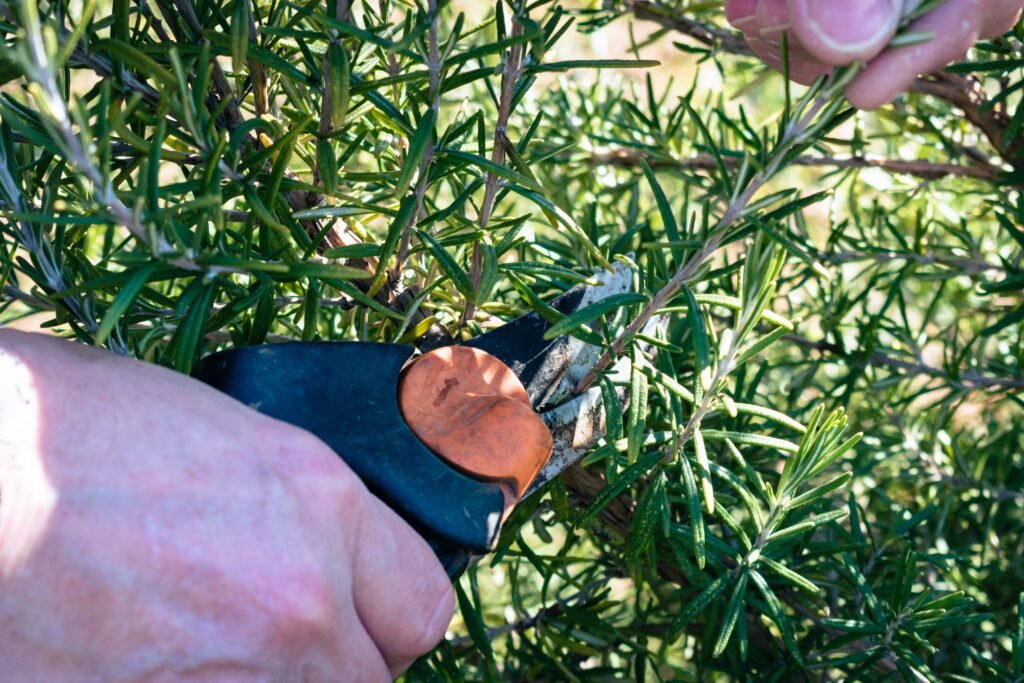
Why August and September Can Be Important for Pruning? Standing in your yard on a warm late-summer afternoon with a pair of shears in hand, it is easy to look at overgrown foliage and feel an overwhelming urge to tidy up. Late summer growth often looks leggy, tired, or outright chaotic. Before making a single cut, pause. The short answer to whether you should prune plants in August and September is: Yes, but with extreme caution.Late summer is a transitional window for green spaces. Cut the right plant, and you encourage a final burst of blooms while boosting overall plant health. Cut the wrong plant, and you risk snipping off next year’s flowers or triggering soft, new growth that freezes at the first frost.
So, should you prune plants in August and September? In many cases, yes—but it depends on the plant, your local climate, and what kind of pruning you plan to do.
August and September Can Be Important for Pruning
Because:
August and September are transition months in many gardening calendars. Plants may be recovering from intense summer heat, receiving monsoon rainfall, or preparing for cooler weather.
During this period, pruning can help:
- Remove dead or damaged branches
- Improve air circulation
- Control excessive growth
- Shape young plants
- Encourage healthier new shoots
- Reduce overcrowding
- Prepare certain plants for the next growing season
However, pruning should not become a routine “cut everything back” activity. Every plant has its own growth cycle.
Should You Prune Plants in August?
August pruning depends heavily on rainfall, temperature, and plant health.
In areas experiencing heavy monsoon conditions, avoid major pruning during continuous wet weather. Fresh cuts remain damp for longer, which can increase the risk of fungal infections and rot.
Good pruning tasks for August
August is generally suitable for light maintenance pruning such as:
- Removing dead leaves and branches
- Cutting away diseased plant parts
- Removing weak or crossing stems
- Trimming damaged growth after storms
- Improving airflow around crowded plants
- Removing unwanted suckers from selected plants
your plants are actively growing and healthy, light pruning can help maintain their shape without causing excessive stress.
What to avoid in August
Avoid heavy pruning when:
- The soil is waterlogged
- Rainfall is continuous
- The plant is flowering heavily
- The plant is already stressed
- The weather is extremely hot
- You are dealing with a disease outbreak and lack clean tools
large number of fresh cuts during humid weather may create opportunities for infection.
Should You Prune Plants in September?
September is often a more comfortable pruning month in many regions because the weather may begin shifting from peak monsoon or summer conditions toward cooler, more stable temperatures.
For many plants, September is a good time for light shaping, maintenance pruning, and preparing for fresh growth.
Benefits of September pruning
Pruning in September can:
Pruning in September can:
Remove untidy summer growth
Improve plant structure
Encourage strong branches
Prepare flowering plants for their next cycle
Remove damaged monsoon growth
Help indoor and balcony plants stay compact
Improve sunlight penetrate
That said, September is not automatically the best month for every plant. A flowering shrub, fruit tree, rose, herb, and ornamental plant may all require different timing.
The Most Important Rule: Know Your Plant
Before pruning, ask yourself:
Is this plant growing, flowering, fruiting, or preparing for dormancy?”
This simple question can prevent many pruning mistakes.
Flowering plants
For flowering plants, pruning at the wrong time may remove flower buds.
Some plants flower on old wood, meaning they produce flowers on branches that grew during the previous season. Others flower on new growth.
If you prune an old-wood flowering plant too aggressively in August or September, you may reduce its next flowering display.
Tip: Lightly remove dead or damaged growth unless you know the plant’s flowering cycle.
2.Fruit trees
- Fruit trees require more careful timing.
- Light pruning can remove:
- Dead branches
- Diseased wood
- Water shoots
- Crossing branches
- Unwanted suckers
But avoid heavy pruning without understanding the tree’s fruiting pattern. Excessive pruning may encourage leafy growth instead of fruit production.
3. Roses
Roses often benefit from regular maintenance pruning, especially removing:
- Dead flowers
- Weak stems
- Diseased leaves
- Thin or overcrowded branches
In humid weather, good airflow is especially important. Avoid leaving the rose bush too dense.
4. Herbs
Herbs such as basil, mint, oregano, and thyme generally respond well to light harvesting and trimming.
Pinching growing tips can encourage bushier growth rather than tall, leggy stems.
However, avoid removing too much foliage at once. A plant still needs leaves to produce energy.
5. Indoor and balcony plants
September can be a useful time to tidy indoor plants that have become stretched or uneven during the warmer months.
Lightly trim:
- Yellowing stems
- Dead leaves
- Overgrown shoots
- Weak branches
Always avoid removing more than necessary, particularly if the plant is already struggling.
External Link-READ MORE “Should You Prune Plants in August-September? The Expert Answer May Surprise You”
What Types of Pruning Can You Do in August and September?
Not all pruning is the same. Understanding the difference makes the job much easier.
1. Maintenance pruning
This is the safest type for most gardeners.
It involves removing:
- Dead branches
- Broken stem
- Diseased parts
- Yellowing or damaged growth
- Crossing branches
Maintenance pruning can usually be done whenever necessary, provided weather conditions are suitable.
2. Light shaping
Light shaping helps keep plants neat and balanced.
It is useful for:
- Hedges
- Balcony plants
- Ornamental shrubs
- Young fruit plants
- Container-grown plan
Avoid cutting too deeply unless you understand the plant’s response.
4. Sanitary pruning
This means removing diseased or infected plant material.It is important during humid and rainy seasons. Always disinfect pruning tools between infected plants to reduce the spread of disease.
A Simple August–September Pruning Checklist
Before picking up your shears, follow this checklist:
Check the weather
Choose a dry day when possible. Avoid pruning immediately before heavy rain.
Inspect the plant
- Look for:
- Dead branches
- Broken stems
- Signs of disease
- Crowded growth
- Weak shoots
- Crossing branches
Use clean tools
Dirty pruning tools can spread fungal and bacterial diseases.
Clean your shears before and after pruning, especially when moving between plants
Make clean cuts
Avoid crushing stems. Use sharp tools and make neat cuts just above a healthy bud or branch junction.
Do not over-prune
A good rule is to remove only what is necessary. Cutting too much at once can stress the plant.
Observe the plant afterwards
Give the plant suitable water, light, and airflow after pruning. Avoid immediately applying excessive fertiliser to a stressed plant.
Common Pruning Mistakes to Avoid
Pruning during heavy rain
Wet conditions can increase disease risk and slow wound drying.
Cutting too much foliage
Plants need leaves to produce energy through photosynthesis.
Ignoring flowering timing
You may accidentally remove flower buds that were already developing.
Using blunt tools
Blunt shears crush stems instead of making clean cuts.
Pruning diseased branches without cleaning tools
This can spread infection from one plant to another.
Treating every plant the same
A rose, mango tree, basil plant, and hibiscus do not follow the same pruning schedule.
Pruning in August and September: A Regional Perspective
For gardeners in India, pruning decisions should consider the local climate.
Northern India
In northern regions, September may be a useful time for light maintenance and preparation for cooler-season gardening. However, the exact timing depends on rainfall and temperature.
Southern India
Because many areas remain warm for much of the year, plants may continue growing actively. Light pruning is often more appropriate than severe seasonal cutting.
Western and Central India
Gardeners should consider local rainfall patterns, humidity, and whether the plant is actively growing or recovering from heat.
Hill regions
Cooler temperatures may change the ideal pruning window. Some plants may enter dormancy earlier than those grown in warmer plains.
The best pruning calendar is not based only on the month—it is based on plant growth + local weather + plant variety.
Tools You Need for Safe Pruning
You do not need a large collection of expensive gardening equipment.
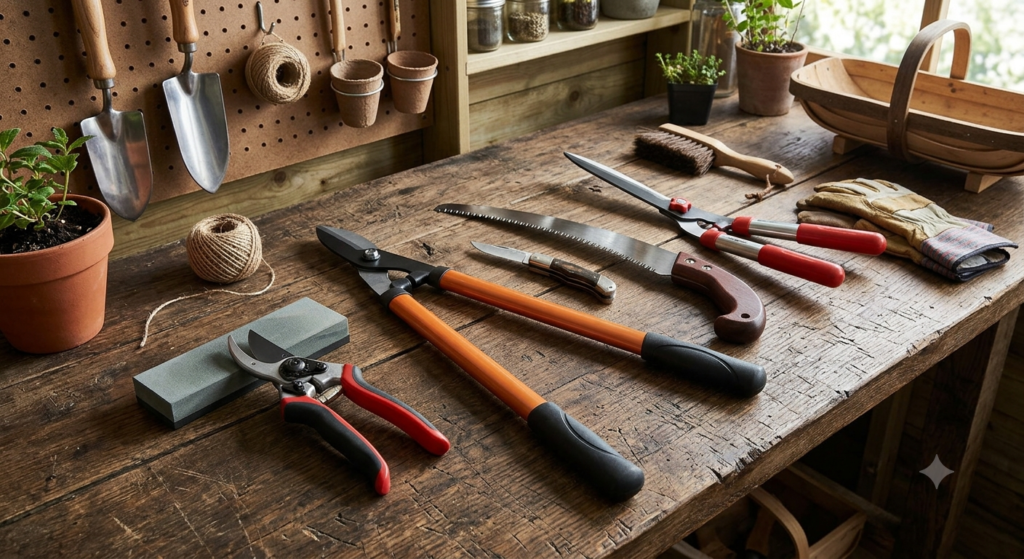
Basic tools include:
- Sharp pruning shears
- Gardening gloves
- Disinfectant or rubbing alcohol
- Small pruning saw for thicker branches
- Clean cloth
- Waste bag or compost container
Always dispose of diseased plant material carefully. Do not add heavily infected branches to your compost pile unless your composting system reaches temperatures suitable for breaking down pathogens.
Conclusion :
So, should you prune plants in August and September?
Yes, in many cases, light and selective pruning is beneficial during these months. It can improve plant health, remove damaged growth, encourage better airflow, and keep your garden looking tidy.
But the goal is not to cut as much as possible. The goal is to help the plant grow better.
Think of pruning as giving your plant a careful haircut—not removing half its personality!
Before making major cuts, identify the plant, check its flowering or fruiting cycle, and choose a dry, suitable day. A little knowledge and a few clean cuts can make a big difference to your garden.
Frequently Asked Questions
1. Is August a good month to prune plants?
August can be suitable for light maintenance pruning, especially removing dead, damaged, or diseased growth. Avoid heavy pruning during very wet or humid conditions.
2. Can plants be pruned in September?
Yes. September is often a good month for light shaping and maintenance pruning, depending on the plant and local climate
3. Should I prune flowering plants in August and September?
Prune flowering plants carefully because you may remove developing flower buds. Always check whether the plant flowers on old or new growth.
4. Is pruning safe during the monsoon?
Light pruning may be safe during the monsoon, but avoid major cuts during continuous rainfall. Choose a dry period and ensure good airflow around the plant.
5. How much should I prune at one time?
For routine pruning, remove only the damaged, dead, weak, or unwanted growth. Avoid removing a large portion of healthy foliage unless the plant specifically requires it.
6. Should I fertilise plants after pruning?
A healthy plant may benefit from normal care after pruning, but avoid heavy fertilising immediately if the plant is stressed, diseased, or recently exposed to extreme weather.
7. What is the best time of day to prune plants?
Early morning or late afternoon is generally comfortable for gardeners and helps avoid the harshest midday heat. Choose a dry day whenever possible.