
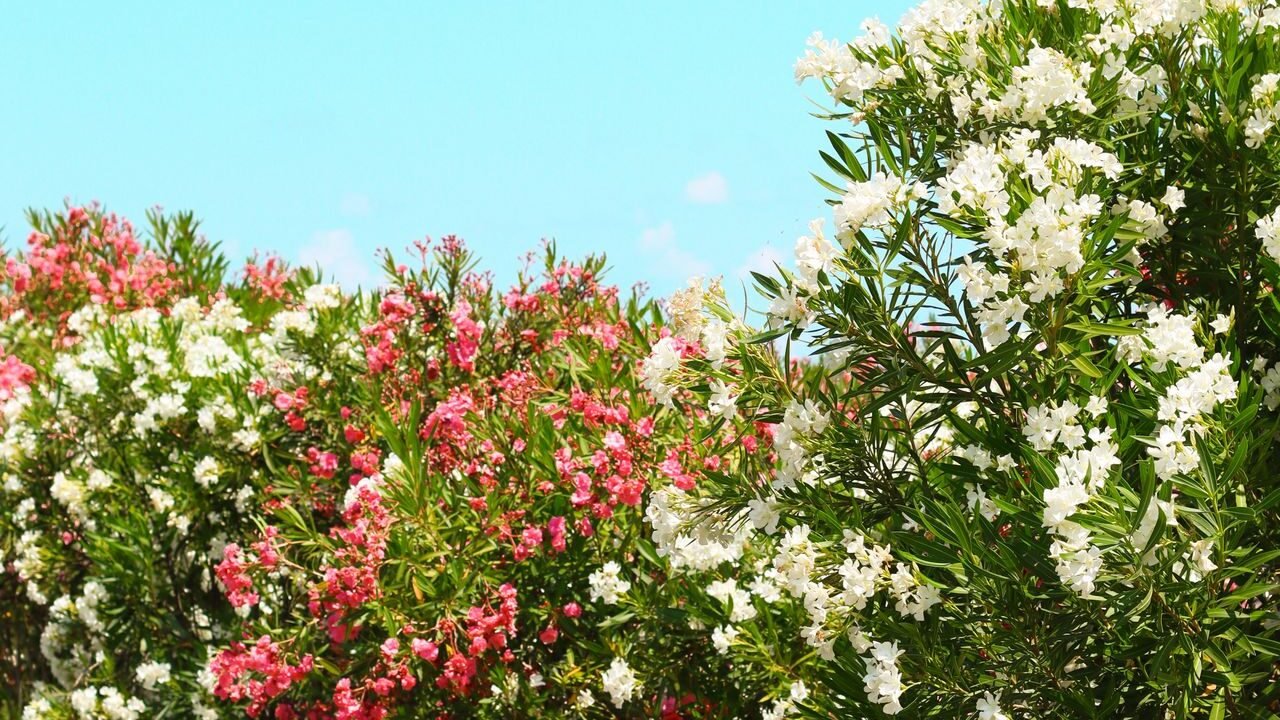
Trees with beautiful flowers and fragrance
Flowering trees bring natural beauty, shade, fresh surroundings, and seasonal charm to our homes. Some produce large, colourful flowers that attract attention, while others fill the air with a sweet fragrance, especially during the evening.
Whether you have a spacious garden, a farmhouse, or a small outdoor space, there are several flowering trees worth considering.
In India, many flowering trees grow beautifully in different climates. From the fragrant Champa and Bakul to the colourful Gulmohar and Golden Shower Tree, these trees can transform an ordinary landscape into a beautiful natural retreat.
In this guide, let’s explore 12 beautiful flowering trees with attractive blooms and pleasant fragrances that you can consider growing in your garden.
Consider: Tree’s with Beautiful Flowers and Fragrance : Grow in Your Garden
Why Grow Flowering Trees in Your Garden?
Flowering trees are not just decorative additions. They offer several environmental and practical benefits.
Here are some reasons to include them in your outdoor space.
- Natural beauty: Colourful flowers make gardens, parks, and home landscapes more attractive.
- Pleasant fragrance: Certain flowering trees release a lovely scent that makes outdoor spaces more enjoyable.
- Support for pollinators: Their flowers provide nectar and pollen for bees, butterflies, and other insects.
- Natural shade: Mature trees create comfortable shaded areas during hot summer months.
- Bird-friendly surroundings: Trees provide shelter, nesting spaces, and sometimes food for birds.
- Environmental benefits: Trees absorb carbon dioxide, help reduce dust, and contribute to a healthier local environment.
The best part is that many flowering trees require relatively little attention once they become established.
10.Trees with Beautiful Flowers and Fragrance
1. Plumeria (Frangipani or Temple Tree)

Plumeria is one of the most attractive flowering trees for home gardens. Its beautiful flowers come in white, yellow, pink, red, and combinations of these colours.
The flowers have a soft, sweet fragrance, making them especially enjoyable during warm mornings and evenings.
Plumeria is also commonly known as the Temple Tree because its flowers are traditionally used in religious offerings.
Flowering season: Usually spring through autumn, depending on the climate.
Growing conditions:
- Requires plenty of direct sunlight.
- Prefers well-drained soil.
- Tolerates warm and relatively dry conditions.
- Avoid excessive watering, particularly during cooler months.
Why grow it?
Plumeria is suitable for gardens, courtyards, and larger outdoor containers. Its attractive flowers and manageable growth make it a favourite among home gardeners.
2. Bakul Tree (Mimusops elengi)
The Bakul tree is a wonderful choice if you want a combination of greenery, beautiful flowers, and a delicate fragrance.
It produces small, creamy-white flowers that may not look as colourful as those of other flowering trees.
However, their sweet fragrance makes them special.The flowers are particularly noticeable when the tree blooms during warm weather.
Flowering season: Generally spring and summer, with regional variation.
Growing conditions:
- Grows well in tropical and subtropical climates.
- Prefers fertile, well-drained soil.
- Can tolerate partial shade but flowers better with adequate sunlight.
- Needs regular watering while young.
Why grow it?
Bakul is an excellent evergreen tree for gardens, courtyards, and roadside planting. It provides dense foliage and pleasant fragrance.
3. Parijat Tree (Nyctanthes arboretum-tristis)


Parijat, also called Night-flowering Jasmine or Harsingar, is famous for its delicate white flowers with orange centres.
Unlike many flowering trees, its flowers open during the evening and release a lovely fragrance at night. They often fall to the ground by morning, creating a beautiful natural carpet.
Flowering season: Mainly late summer, autumn, and the rainy season, depending on the region.
Growing conditions
- Prefers warm climates.
- Grows well in sunny locations.
- Needs well-drained soil.
- Benefits from moderate watering.
Why grow it?
Parijat is ideal for home gardens where you can enjoy its fragrance in the evening. It is generally a small tree or large shrub, so it can also suit relatively compact spaces.
4. Indian Cork Tree (Millingtonia hortensis)
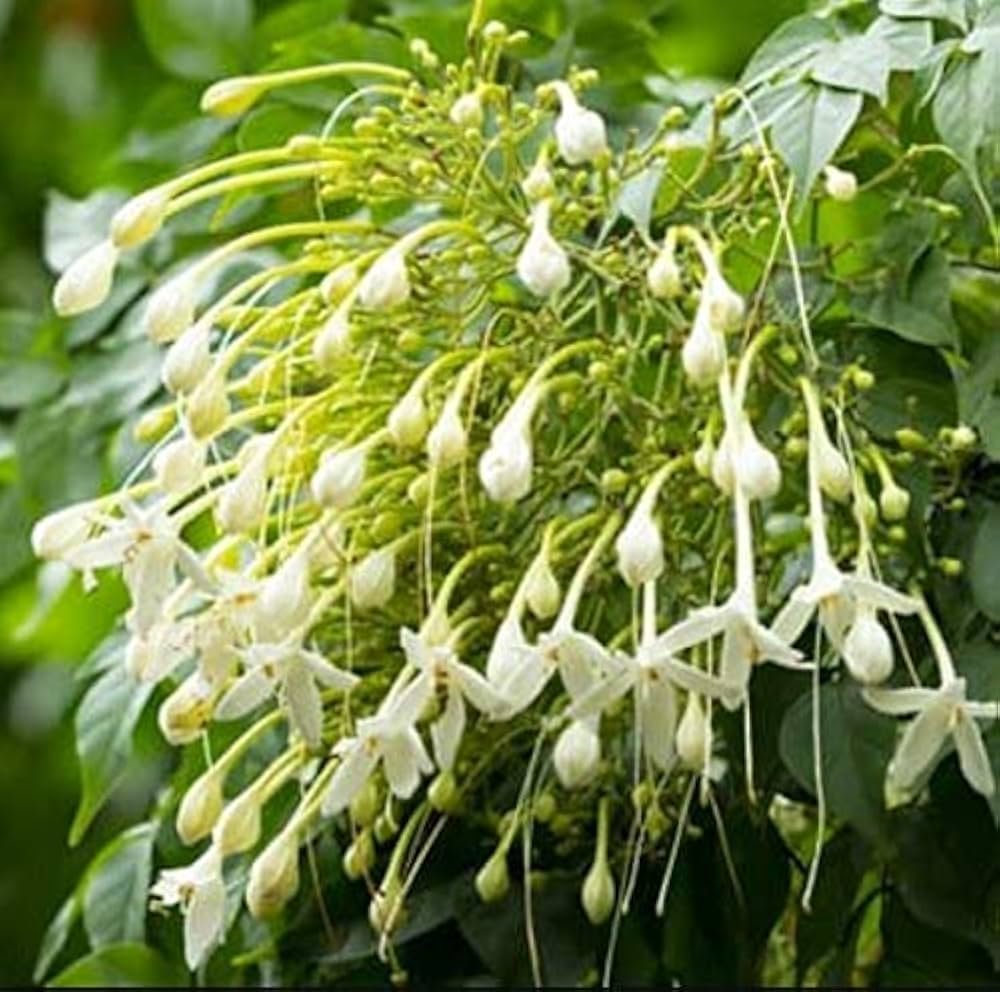
The Indian Cork Tree is another excellent option for people who love fragrant flowers.
It produces clusters of delicate, white, trumpet-shaped flowers.
These flowers release a pleasant fragrance, particularly during the evening and night.The tree has an elegant appearance and can grow quite tall.
Flowering season: Often autumn and winter, depending on the climate.
Growing conditions:
- Requires a sunny location.
- Prefers well-drained soil.
- Grows well in tropical and subtropical regions.
- Needs sufficient space because of its height.
Why grow it?
The Indian Cork Tree is particularly suitable for large gardens, parks, and landscape planting. Its white flowers look beautiful against its green foliage.
5.Gulmohar Tree (Delonix regia)
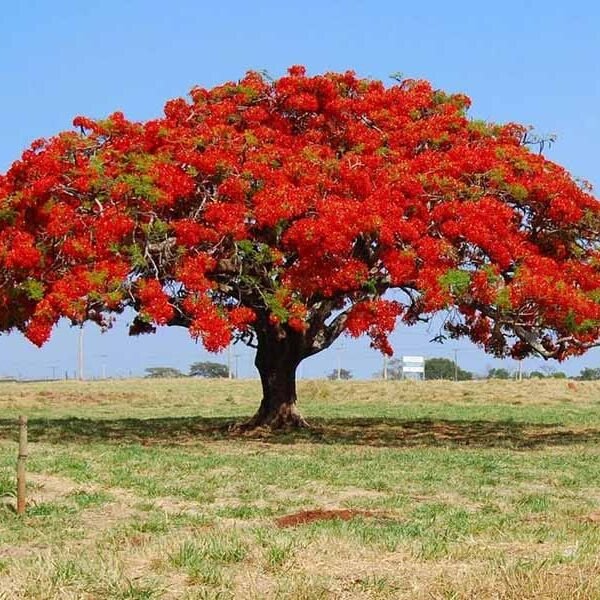
If you want a tree that creates a spectacular display of colour, Gulmohar is an excellent choice.
Its spreading branches become covered with brilliant red, orange, and sometimes yellowish flowers during the flowering season.
Although Gulmohar is not particularly famous for fragrance, its visual beauty makes it one of India’s most admired flowering trees.
Flowering season: Usually late spring and summer.
Growing conditions:
- Needs full sunlight.
- Prefers well-drained soil.
- Requires space for its wide-spreading branches.
- Grows well in warm climates.
Why grow it?
Gulmohar is ideal for large gardens, avenues, and open landscapes. Its broad canopy also provides welcome shade during summer.
6.Golden Shower Tree (Cassia fistula)
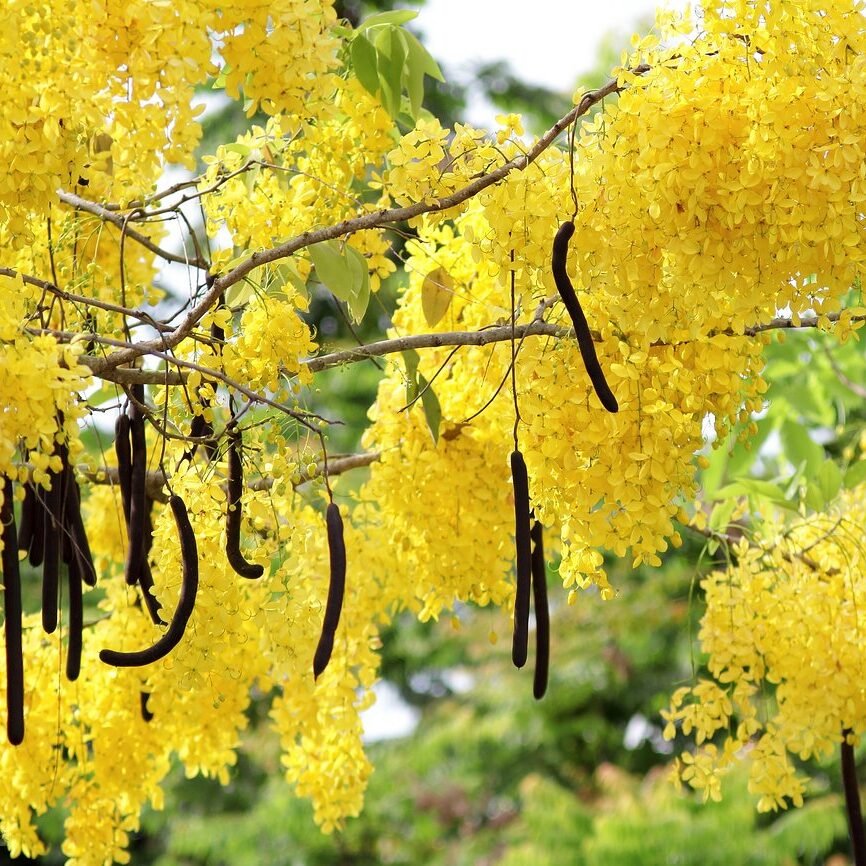
The Golden Shower Tree, commonly called Amaltas in India, is famous for its long, hanging clusters of bright yellow flowers.
When the tree is in full bloom, its branches look as if they are decorated with golden chains.
Its flowering display is particularly attractive during the hot summer months. The flowers have a mild fragrance rather than the strong perfume associated with Champa or Bakul.
Flowering season: Mainly April to June in many parts of India.
Growing conditions:
- Prefers full sunlight.
- Grows well in warm climates.
- Requires well-drained soil.
- Needs moderate watering during establishment
Why grow it?
Amaltas is a wonderful ornamental tree for gardens and roadsides. Its bright flowers bring colour to the landscape when many other plants struggle with summer heat.
7. Kachnar Tree (Bauhinia variegata)
Kachnar is a beautiful flowering tree known for its attractive orchid-like flowers.
The blooms are usually pink, purple, or white, depending on the variety. They appear on mostly bare branches before or around the time new leaves develop.
This creates a lovely flowering display that is difficult to miss.
Flowering season: Generally late winter and spring.
Growing conditions:
- Prefers full sunlight.
- Grows well in fertile, well-drained soil.
- Can tolerate warm weather.
- Requires occasional pruning to maintain its shape
Why grow it?
Kachnar is suitable for medium-sized gardens and landscape planting. It is especially attractive during its flowering period.
8. Magnolia Tree (Magnolia grandiflora)
Magnolia is admired for its large, elegant flowers and glossy green leaves.
Its creamy-white flowers have a rich, sweet fragrance. The blooms are often large enough to become the main attraction in a garden.
Some magnolia varieties are evergreen, making them useful for year-round greenery.
Flowering season: Usually late spring through summer, although this depends on the variety and climate.
Growing conditions:
- Prefers fertile, slightly acidic, well-drained soil.
- Benefits from full sun or partial shade.
- Needs consistent moisture.
- Protects its roots best with a layer of organic mulch.
Why grow it?
Magnolia is an excellent ornamental tree for larger gardens. It offers attractive foliage, elegant flowers, and a pleasant fragrance.
9. Indian Rosewood (Dalbergia sissoo)
Indian Rosewood, commonly known as Shisham, is primarily valued for its timber, shade, and strong growth.
However, it also produces small, pale yellowish flowers in clusters. These flowers have a mild fragrance, although the tree is not generally grown specifically for its blooms.
Flowering season: Usually spring, depending on the local climate.
Growing conditions:
- Grows well in warm climates.
- Prefers full sunlight.
- Can tolerate different soil conditions.
- Needs sufficient space for its mature size.
Why grow it?
Shisham is a good option for larger properties where shade and a strong, long-lasting tree are desired.
10. Bottlebrush Tree (Callistemon species)
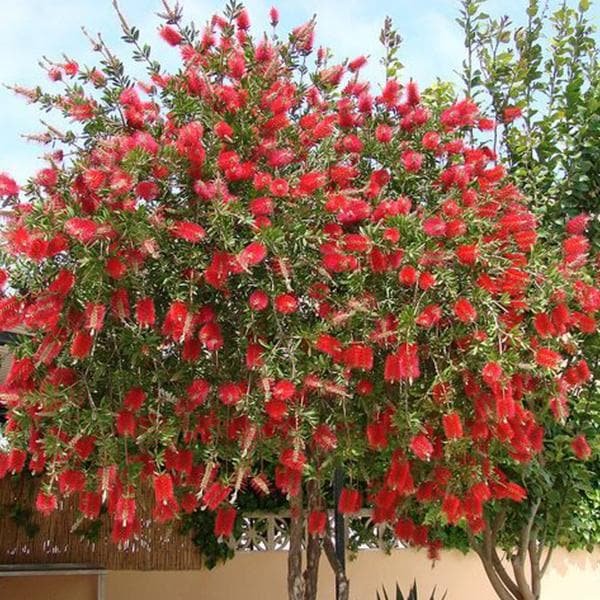
The Bottlebrush tree gets its name from its unusual flowers, which resemble the brushes used for cleaning bottles.
Its flowers are commonly bright red, although pink and other varieties are also available.
The flowers attract bees and nectar-feeding birds, making this tree a lovely addition to wildlife-friendly gardens.
Flowering season: Varies by species and climate, with flowering often occurring in spring and summer.
Growing conditions:
- Prefers full sunlight.
- Grows well in well-drained soil.
- Can tolerate some dry conditions once established.
- Benefits from occasional pruning after flowering.
Why grow it?
Bottlebrush is suitable for gardens and landscaping. Its unusual flowers provide a colourful appearance and attract pollinators.
How to Choose the Right Tree with beautiful flowers and fragrance for Your Garden
1. Consider the available space
For smaller gardens, consider Plumeria or Parijat.
2. Choose according to fragrance
If you prefer colourful flowers, Gulmohar, Amaltas, and Kachnar are worth considering.
3. Check sunlight requirements
Most flowering trees produce better blooms when they receive sufficient sunlight. Choose a location that provides the appropriate light conditions for your selected species.
Basic Care Tips for Trees with beautiful flowers and fragrance
Even beautiful flowering trees need proper care, particularly during their early growth.
- Water regularly: Young trees need consistent watering. Mature trees may require less frequent irrigation.
- Improve the soil: Add well-decomposed compost to improve soil structure and support healthy growth.
- Use mulch: A layer of organic mulch helps retain soil moisture and regulate soil temperature.
- Prune carefully: Remove dead, damaged, or diseased branches. Avoid unnecessary heavy pruning.
- Provide sunlight: Plant trees in suitable locations according to their light requirements.
- Monitor pests: Check leaves, stems, and flowers regularly for signs of insects or disease.
Conclusion: Pick Trees with Beautiful Flowers and Fragrance for Your Garden
A well-chosen flowering tree not only boosts your home’s curb appeal but also creates a peaceful environment for you and local pollinators to enjoy. With so many diverse options—ranging from compact patio growers to grand shade-givers—there is a perfect match for every garden size and aesthetic.
Pick the tree that best fits your local climate and garden size, and enjoy watching your yard transform into a colorful, fragrant sanctuary season after season.
Which of these stunning trees are you excited to plant first? Let us know in the comments below
READ MORE 👉
Internal Link “essential-guide-to-sustainable-living-green-harvest-guide”
External Link-https://en.wikipedia.org/
Frequently Asked Questions (FAQs)
1. Which tree has the most fragrant flowers?
Champaca, Bakul, Parijat, and Magnolia are popular choices for their fragrant flowers. Their fragrance varies according to the season, weather, and growing conditions.
2 . Which trees produce fragrant flowers at night?
Parijat, Indian Cork Tree, and Saptaparni are known for releasing noticeable fragrance during the evening or night.
3. Which flowering trees are suitable for small gardens?
Plumeria and Parijat are suitable options for relatively compact gardens. However, consider their mature size and allow enough room for healthy growth.
4 . How can I make my flowering tree produce more flowers?
Provide suitable sunlight, well-drained soil, appropriate watering, and balanced nutrition. Avoid excessive nitrogen fertiliser, which can encourage leafy growth at the expense of flowers.
5.Do fragrant flowering trees attract bees and butterflies?
Yes. Many flowering trees attract bees, butterflies, and other pollinators. However, the attraction depends on the flower structure, nectar availability, and local insect species.