

Companion planting chart for container gardens
Growing vegetables in containers is a rewarding way to enjoy fresh, homegrown produce, even if you have only a balcony, terrace, patio, or sunny windowsill. When space is limited, every pot needs to work hard. The right plant combinations can help you use vertical and horizontal space efficiently while adding variety, colour, and biodiversity to your garden.
That is where a companion planting chart for container gardens can help.
Companion planting involves growing compatible plants near one another because they may share similar growing requirements, attract beneficial insects, or make better use of limited space. In containers, thoughtful combinations can help you grow vegetables, herbs, and flowers together without creating unnecessary competition.
In this guide, you will find a practical companion planting chart for container gardens, the best vegetables to grow together, combinations to avoid, and simple tips for creating a productive container garden at home.
What Is Companion Planting in Container Gardens?
Companion planting is the practice of growing compatible plants close together. Gardeners use it to make efficient use of space, encourage pollinators and beneficial insects, and add diversity to vegetable beds and containers.
In a container garden, companion planting can be particularly useful because space is often limited. For example, you might grow basil beside a tomato in a large pot or tuck quick-growing radishes into a planter while a slower crop is still developing.
The key is to remember that companion planting is not magic. A good combination cannot replace adequate sunlight, suitable soil, regular watering, or proper nutrition. Many popular companion planting claims also have limited scientific evidence, so it is best to treat them as practical gardening strategies to test rather than guaranteed result
Top 6 Power Couples for Container Gardens
Not sure where to start? Try these tried-and-true pairing combinations in your pots and fabric planters this season.
1. Tomatoes and Basil: A Popular Container Combination

Tomatoes are among the most rewarding vegetables to grow at home, and basil is a popular herb to plant alongside them.Both enjoy warm conditions and plenty of sunlight. In a sufficiently large container, basil can grow near the edge while the tomato occupies the main growing area.
How to grow them together:
- Choose a deep, sturdy container with drainage holes.
- Plant one tomato with a suitable stake or cage.
- Add a compact basil plant near the edge if space permits.
- Water consistently without leaving the roots waterlogged.
Tomatoes can develop extensive roots and become quite large. Avoid squeezing several plants into one small pot simply because they appear compatible on a chart.
2. Capsicum and Spring Onions for Indian Balcony Gardens
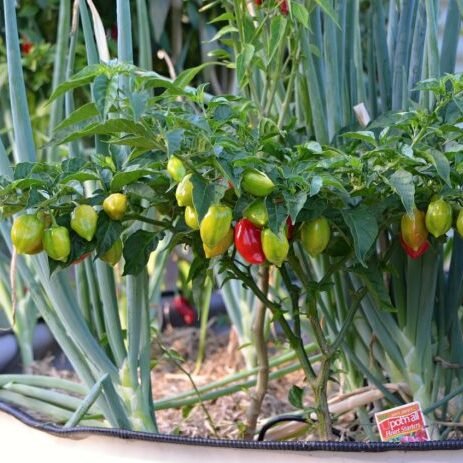
Capsicum, also known as bell pepper, is a useful vegetable to grow at home. Store-bought capsicum can sometimes be expensive, so even a small homegrown harvest can be satisfying.
Capsicum enjoys warmth and sunlight, while spring onions have a relatively narrow growth habit. They may share a large planter if both have enough room.
Plant the capsicum in the main growing area and position a few spring onions along the outer edge. Keep them away from the main stem, and make sure the capsicum receives adequate light.
In hot Indian weather, check containers frequently because they can dry out quickly. During extreme heat, some protection from harsh afternoon sunlight may help prevent stress.
3. Carrots, Radishes, and Lettuce: Make Better Use of Space
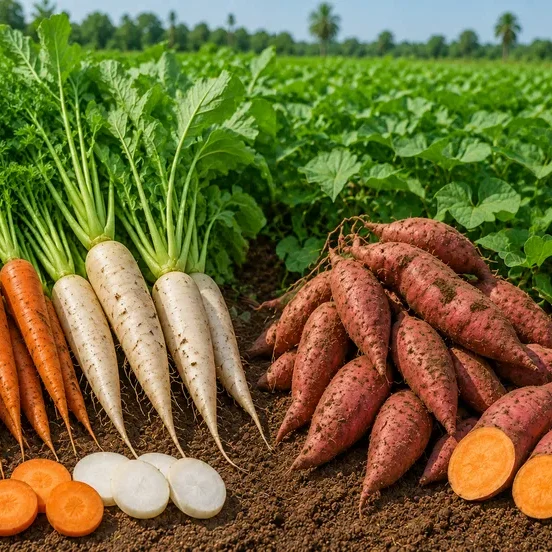
If you want to grow more vegetables in a small area, combine crops with different growth rates.
Radishes usually mature faster than carrots, while lettuce can be harvested gradually. This allows you to use open space while the slower-growing carrots continue developing.
Choose a wide, sufficiently deep planter suited to the carrot variety. Sow the carrots in rows, grow radishes in a separate row, and place compact lettuce near an available edge.
Avoid scattering seeds too thickly. Thin the seedlings as they grow, following the spacing recommendations on the seed packet. Overcrowding can lead to small roots, poor airflow, and competition for moisture.
4. Cucumbers and Dill: Add Diversity to Your Garden
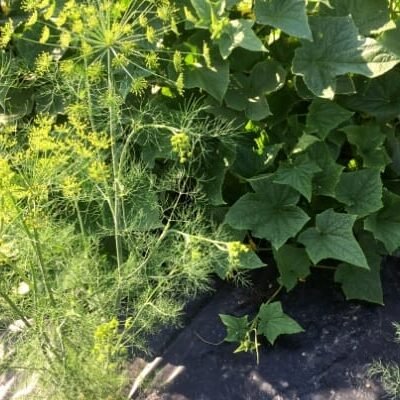
Cucumbers are vigorous plants that need warmth, consistent moisture, and plenty of growing room. Dill is an aromatic herb whose flowers can attract beneficial insects.
You can grow dill in a nearby pot or at the edge of a large cucumber planter, provided it does not compete heavily for space.
A trellis helps cucumbers grow vertically, keeps the foliage better organised, and makes harvesting easier. Ensure that the support is sturdy enough for the mature plant.
Although flowering dill may attract useful insects, it will not automatically protect cucumber plants from pests. Inspect leaves regularly and remove damaged foliage when appropriate.
5. Bush Beans and Lettuce: A Simple Combination
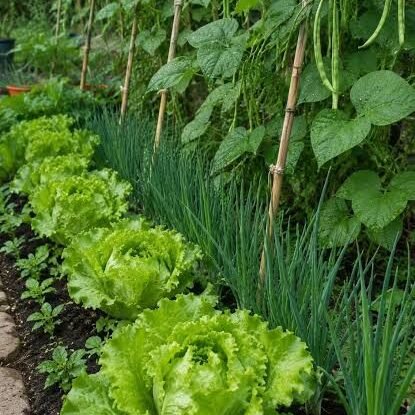
Bush beans are useful for container gardens because they remain relatively compact compared with climbing varieties. Lettuce can fit nearby when the container is large enough and both plants have adequate access to sunlight.
Beans form a partnership with certain soil bacteria that helps them obtain nitrogen. However, this does not mean neighbouring plants will automatically receive enough nitrogen from the beans.
Choose a container that provides adequate root space, avoid excessive fertiliser, and harvest lettuce before it becomes crowded by the expanding bean plant.
For beginners, bush beans are often easier to manage than climbing varieties because they generally require less elaborate support.
6. Spinach and Radishes for Cooler Weather
Spinach and radishes are practical choices for cool-season container gardening.
They can share a wide planter if their spacing, moisture, and sunlight requirements are compatible.
Sow the crops in separate rows so that you can water and harvest them conveniently. Radishes mature relatively quickly, freeing up space for the spinach to continue growing.
For gardeners in northern India, autumn and winter can be suitable for these crops, depending on local temperatures and variety selection.Protect seedlings from extreme weather, maintain consistent soil moisture, and harvest leaves regularly to encourage continued growth where the variety permits.
Which Plants Should You Avoid Growing Too Closely?
Not every combination is suitable for a shared container. Some plants grow too large, while others have different watering needs or share common disease risks.
Keep these practical points in mind:
Mint and most vegetables: Mint spreads vigorously and can take over a planter. Grow it in a separate pot.
Tomatoes and potatoes: Both belong to the nightshade family and share susceptibility to some diseases. Keeping them separate can simplify disease management.
Large cucumbers and delicate herbs in small pots: Vigorous cucumber vines can overwhelm limited root space.
Large tomatoes and crowded lettuce: A mature tomato may shade lettuce and compete for moisture and nutrients.
Plants with very different water needs: A moisture-loving vegetable and a drought-tolerant herb may not thrive with the same watering schedule.
The goal is not to find a perfect companion for every vegetable. It is to avoid unnecessary competition and give each crop the conditions it needs.
How to Create a Successful Container Companion Garden
Choosing the right plant combinations is only the beginning. Follow these practical steps to help your container garden thrive.
1. Select the Right Container Size
Container vegetables need enough space for their roots. A small herb may grow happily in a modest pot, while tomatoes, capsicum, and cucumbers usually require much larger containers.
2. Use a Quality Potting Mix
Garden soil alone can become compacted in containers and may drain poorly. Use a suitable potting mix that retains moisture while allowing excess water to drain.
A typical homemade mix may include coco peat or another moisture-retaining ingredient, mature compost, and a suitable aerating component. Adjust the mix to suit the crops you grow, and use clean materials.
3. Match Sunlight Requirements
Tomatoes, capsicum, and cucumbers generally need several hours of direct sunlight each day. Leafy greens such as lettuce and spinach can tolerate some shade, particularly during hot weather.
4. Water Carefully
Small containers can dry out quickly during hot weather. However, overwatering can deprive roots of oxygen and encourage root problems.
Avoid following a rigid daily watering schedule. Let soil moisture, plant growth, temperature, and rainfall guide your decisions.
5. Check for Pests and Diseases
Companion planting may encourage beneficial insects, but it cannot eliminate every pest.
Inspect the undersides of leaves for aphids, whiteflies, caterpillars, and other common pests. Remove damaged leaves when appropriate, maintain good airflow, and use suitable pest-control methods when necessary.
Regular observation helps you identify problems early, before they spread to neighbouring containers.
Common Companion Planting Mistakes to Avoid
Even a well-planned container garden can struggle if a few basic details are overlooked.
Avoid these common mistakes:
- Planting too many vegetables in one container.
- Ignoring the mature size of each plant.
- Mixing crops with incompatible sunlight and watering requirements.
- Forgetting to thin crowded seedlings.
- Expecting companion plants to eliminate pests.
- Using poor-quality potting mix or containers without drainage.
- Assuming every traditional companion planting claim is scientifically proven.
Conclusion : Companion planting chart for gardens
Start small, observe how your plants grow, and adjust the combinations that do not perform well. Gardening is a learning process, and your own growing conditions will help you discover which arrangements work best.
A companion planting chart for container gardens can help you plan a more organised and diverse home vegetable garden, even when space is limited.
Whether you grow tomatoes with basil, capsicum with spring onions, or carrots with radishes, the most important thing is to choose compatible plants and provide enough room for healthy growth.
Begin with one or two combinations, observe the results, and make improvements each season. With patience and a little planning, your container garden can become a rewarding source of fresh herbs and vegetables.
Happy Gardening!
Internal Link/ READ MORE-what-are-5-common-gardening-mistakes-beginners-should-avoid/
2.how-to-start-kitchen-garden-at-home/
External Link/READ MORE-“Companion planting” (Wikipedia)
Frequently Asked Questions (FAQs) : Companion planting chart for container gardens
Which vegetables grow well together in small pots?
Radishes, lettuce, spring onions, and compact herbs can work well together when their needs are compatible. For larger vegetables, separate containers are often a better choice.
Does companion planting prevent pests naturally?
Not completely. Some companion plants attract beneficial insects or add diversity, but no plant combination can guarantee pest prevention. Regular inspection and appropriate pest management remain important.
Can I grow different vegetables in one large container?
Yes, provided the container is large enough and the plants have compatible growing needs. Separate pots are often preferable for large or vigorous crops.
Which companion plants are suitable for Indian balcony gardens?
Chillies with spring onions, capsicum with compact basil, and spinach with radishes are options to consider. Select varieties according to your local season and available sunlight.
Is companion planting suitable for beginners?
Start with two compatible plants, observe their growth, and adjust the spacing and watering as needed.