
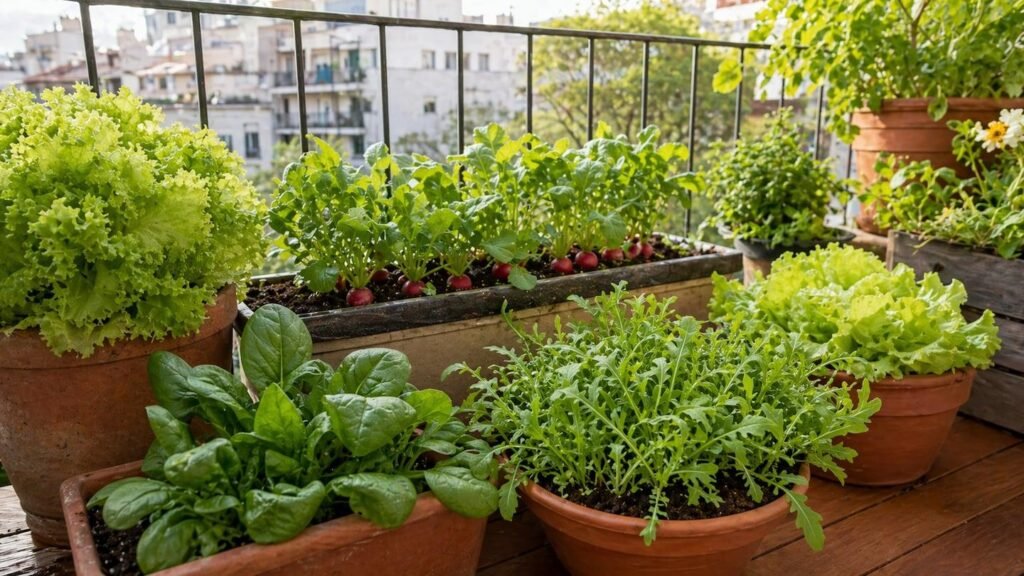
Discover 7 vegetables plants you should never grow in and containers, why they are difficult to grow, and the best alternatives for a productive home garden.
Container gardening is a wonderful way to grow fresh vegetables at home, especially if you have a balcony, terrace, patio, or limited outdoor space. There is something satisfying about picking fresh tomatoes, chillies, or leafy greens from your own little garden. However, not every vegetable grows happily in a container.
Some vegetables develop deep or spreading root systems, while others need plenty of space, consistent moisture, or a long growing season to produce a good harvest. Growing these vegetables in small pots can lead to stunted growth, poor yields, and unnecessary frustration.
Here are 7 vegetables plants you should never grow in pots or containers, as their large physical size, intensive root structures, or specific growth habits make them incredibly difficult to sustain in a confined space.
The 7 Worst Vegetables for Container Gardening

1.Sweet Corn
Sweet Corn: Corn stalks easily reach 6 to 8 feet tall, making them incredibly top-heavy and prone to tipping over in the wind when grown in a container. More importantly, corn is wind-pollinated and must be planted in large, dense blocks (rather than a solitary pot) to successfully produce kernels
- corn struggles in pots:
- It needs a large volume of soil to support its tall growth.
- Small containers dry out quickly during warm weather.
- A few isolated plants may not pollinate properly.
- Strong winds can damage tall plants on exposed balconies.
2.Pumpkins
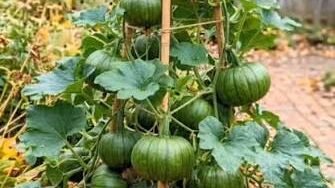
Pumpkins & Winter Squash: These sprawling plants produce vines that can stretch up to 15 feet long. A single pumpkin can easily outgrow a pot’s root space and demands a massive amount of water and fertilizer that a typical container simply cannot hold.
- Their vines spread over a large area.
- Large fruits can become heavy and difficult to support.
- Restricted roots may reduce fruit production.
- Small pots dry out quickly in hot weather.
3.Asparagus
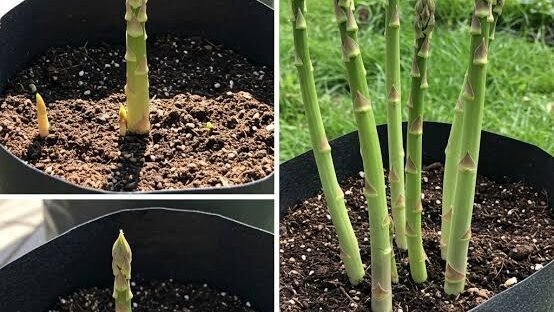
Asparagus: Asparagus is a long-term perennial crop that takes 2 to 3 years of establishing roots in the ground before you can even harvest your first stalk. They require deep trench-planting and a vast root base to return year after year, which is highly impractical for pots.
- Its roots need considerable room to develop.
- It occupies the same container for several years.
- It takes time to establish before harvesting.
- Small pots may restrict long-term growth.

4.Potato
Main crop Potatoes: While early fingerling potatoes can survive in specialized grow bags, standard large potatoes are highly inefficient in pots. They require massive amounts of deep, cool soil to produce a high yield, and standard containers will often give you a lot of leafy foliage but only a few tiny tubers.
- Shallow containers restrict tuber development.
- Crowded roots compete for water and nutrients.
- Small pots dry out quickly.
- Limited soil volume may result in fewer or smaller potatoes
5. Tomatoes.
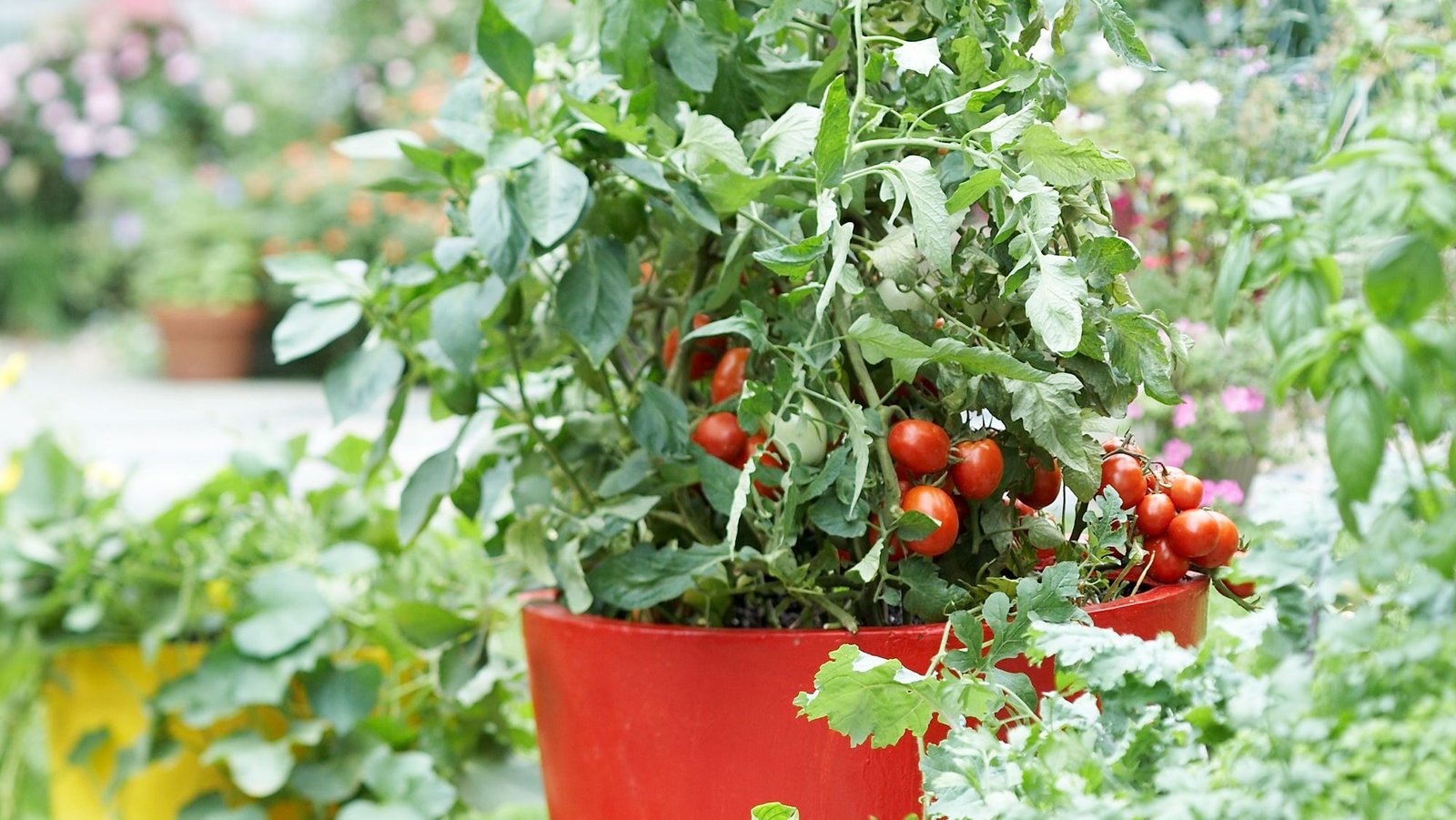
Indeterminate Tomatoes: Unlike bushy “determinate” varieties, indeterminate tomato varieties never stop growing until the winter frost hits. They quickly outgrow cages, become incredibly top-heavy, and require massive amounts of water and nutrients, causing container soil to dry out rapidly.
- Outgrown Root Space: Indeterminate or full-size tomato varieties have massive root systems. Small pots restrict growth, stunt the plant, and cause early wilting.
- High Water and Nutrient Demands: Pots dry out fast in the heat. Tomatoes are heavy feeders that exhaust pot soil quickly, requiring daily watering and regular fertilizer.
- Top-Heavy Instability: Tall tomato plants loaded with fruit easily tip over small or lightweight plastic containers in the wind.
- Blossom Drop: Irregular watering in a small container causes stress, making blossoms drop off instead of turning into fruit.
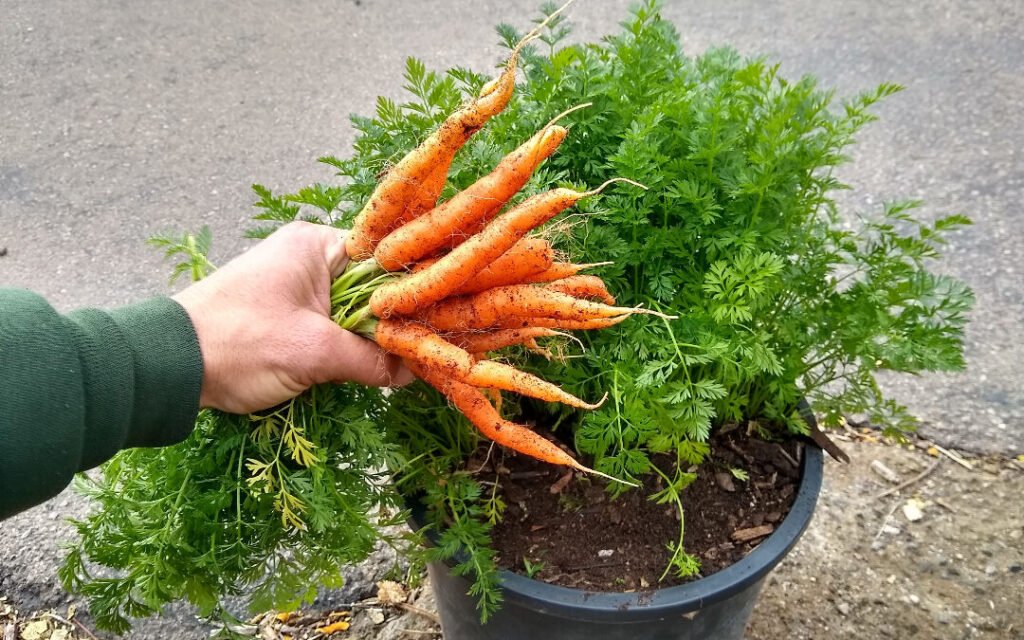
6.Carrots
Full-Sized Carrots (Long Varieties): Standard long-rooted carrots need significant, unobstructed vertical soil depth. If their central taproot hits the bottom or sides of a plastic pot, it bends and splits, resulting in stunted, twisted, and deformed carrots.
- Distorted or Forked Taproots: Long-rooted carrot varieties hit the bottom of shallow containers and bend, split, or turn deformed. You need deep pots (usually at least 10 inches or more) for standard carrots.
- Soil Density Issues: If you use heavy garden soil instead of a light potting mix, it compacts after watering. Carrots cannot push through dense dirt, resulting in short, stubby, or stunted roots.
- Moisture Fluctuations: Carrots need steady, even moisture. If a container dries out completely and then gets flooded, the carrot roots can crack or split open.
- Nutrient Leaching: Frequent watering washes essential nutrients right out of the drainage holes, starving the developing root. [1, 2, 3, 4]
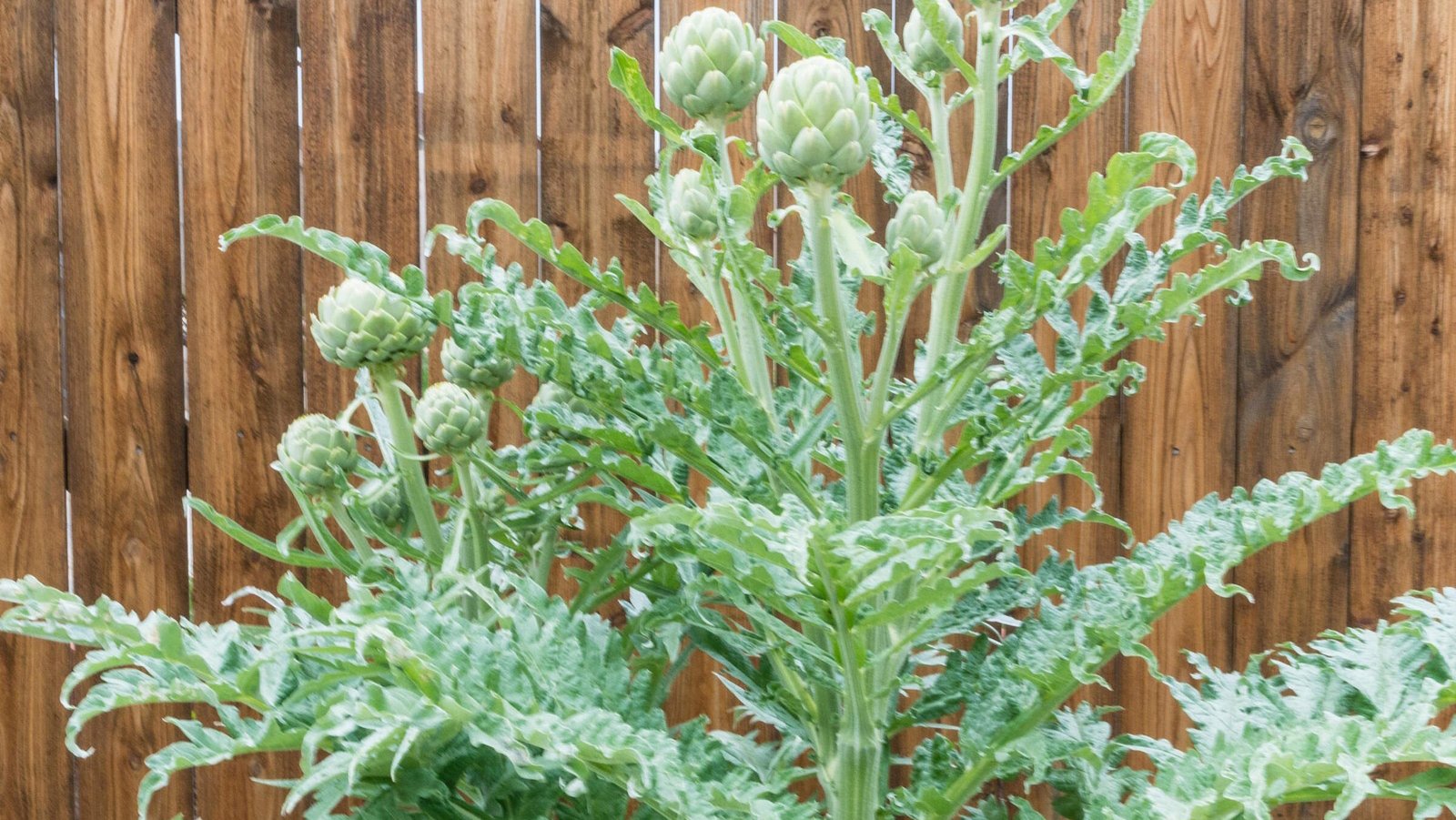
7.Artichokes
Artichokes: Artichoke plants are space hogs that easily grow 3 to 5 feet tall and up to 6 feet wide. Their massive root systems need significant soil depth to establish themselves as perennials, making them look cramped and unhealthy in pots.
- Mature plants can become large and broad.
- They need a generous root zone.
- They require suitable growing conditions to produce good buds.
- They may occupy valuable balcony space for a long time.
Smart Container Swaps: What to Plant Instead
Don’t worry—skipping these plants doesn’t mean your balcony garden has to be empty! You can easily swap them out for heavy-yielding, pot-friendly alternatives:
- Here are some excellent options for balconies, terraces, and patios:
- Spinach: Grows well in shallow to medium-depth containers and provides repeated leafy harvests.
- Fenugreek (methi): A practical choice for Indian households, with leaves ready to harvest relatively quickly.
- Radishes: Many varieties mature quickly and can grow in containers with suitable depth.
- Green chillies: Productive plants that can thrive in medium-sized pots with plenty of sunlight.
- Cherry tomatoes: Compact varieties are suitable for containers when given adequate root space and support.
- Lettuce: A good choice for cooler weather and partial harvests of outer leaves.
- Bush beans: Compact varieties can produce a useful harvest without sprawling like traditional climbing crops.
Remember that even suitable vegetables need the right growing conditions. Use containers with drainage holes, choose a quality potting mix, provide adequate sunlight, and water according to the weather and the plant’s needs.
Final Thoughts
Container gardening is not about growing every vegetable imaginable. It is about making the most of your available space and choosing plants that can thrive in it.
Corn, pumpkins, watermelons, asparagus, artichokes, Brussels sprouts, and potatoes in small pots can all present challenges, but none is universally impossible to grow in containers. With the right variety, a sufficiently large planter, and suitable care, several can produce a worthwhile harvest.
If you are just starting, begin with begin with easy crops such as methi, spinach, radishes, green chillies, and compact tomatoes. These plants can help you build confidence while enjoying fresh produce close to your kitchen.
A successful garden does not need dozens of pots or a huge terrace. Sometimes, a few healthy plants in the right containers are all you need to turn a small corner of your home into a rewarding green space.
READ MORE—
Internal link “7 vegetables that fail to grow in containers”
External Link –“5 Vegetables to Avoid Planting in Containers”
Frequently asked questions (FAQ)
Which vegetables should you avoid planting in small pots?
Corn, pumpkins, watermelons, asparagus, artichokes, Brussels sprouts, and potatoes in shallow pots can be challenging because of their space, root, or growing-season requirements.
Can all vegetables grow in containers?
No. Some vegetables need more space, deeper soil, or longer growing periods than small containers can provide. However, many can grow successfully in large pots or grow bags when you choose suitable varieties
Can I grow potatoes in pots at home?
Yes. Potatoes grow well in sufficiently large, deep containers or grow bags with good drainage. Small, shallow flowerpots are generally unsuitable for a productive harvest.
What size pot is best for growing vegetables?
The ideal pot size depends on the vegetable. Leafy greens can grow in relatively shallow containers, while tomatoes, potatoes, and larger crops need more soil volume. Always check the mature plant’s requirements.
Why do vegetables fail to grow in containers?
Common causes include undersized pots, poor drainage, compacted soil, inadequate sunlight, inconsistent watering, and insufficient nutrients.