
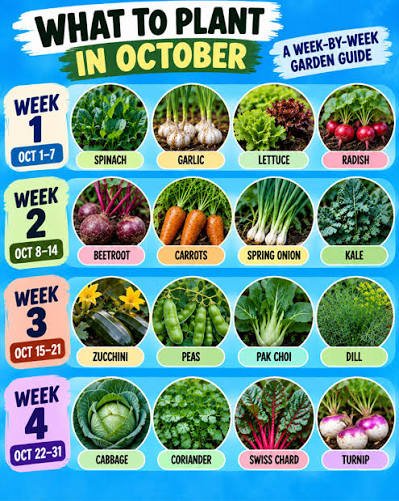
Plant in October
October is one of the most exciting months for gardeners. The intense heat of summer begins to fade, the mornings become more pleasant, and the garden finally feels ready for a fresh start.If you want a beautiful winter garden filled with fresh vegetables, colourful flowers and healthy plants, October is the time to begin preparing.
For gardeners in many parts of India, particularly northern regions, October is an excellent month to prepare the soil and start planting cool-season crops.
Gardeners in other countries can follow the same principles while adjusting planting dates according to their local climate and first-frost dates.
A balcony, terrace, small backyard or even a few containers can become a productive winter garden.
Let’s get your garden ready for the season.
Why Is October Important for Winter Gardening?
The preparation you do in October can make a big difference to how well your vegetables and flowers grow during the cooler months.Summer may have left your soil tired, dry or depleted of nutrients. Some plants may also have struggled with heat, pests or irregular watering.
October gives you an opportunity to:
- Clean and prepare your garden beds
- Improve the soil with compost
- Choose winter-friendly vegetables
- Sow seeds or transplant seedlings
- Plant winter flowering plants
- Remove unhealthy plants and weeds
- Check pots and drainage
- Prepare plants for colder nights
Think of October as the bridge between your summer garden and winter garden.
1. Start by Cleaning Your Garden
Before planting anything new, take a good look around your garden.
Remove dead annual plants, dried leaves, weeds and damaged branches. However, don’t throw every fallen leaf away. Healthy dry leaves can be useful as part of homemade compost or mulch.
Remove plants that are severely diseased rather than adding them to your compost pile.
Also check your pots and containers. Remove old roots and loosen compacted soil before reusing containers.
A little cleaning now makes planting much easier later.
2. Prepare Healthy Soil
Good soil is the foundation of a successful winter garden.
Before sowing seeds or planting seedlings, loosen the top layer of soil. Remove large stones, old roots and weeds.
Then add organic matter such as:
- Well-rotted compost
- Vermicompost
- Homemade compost
- Well-decomposed manure
- Leaf compost
Mix the organic matter into the soil rather than simply leaving a thick layer on top.
Avoid using fresh manure directly around young plants because it can damage roots.If you are growing vegetables in containers, consider refreshing old potting mix with compost and other suitable organic material.
3. Decide What You Want to Grow
This is the fun part!
Don’t try to grow everything at once. Start with vegetables and flowers that suit your available space, sunlight and local climate.
Easy winter vegetables
Depending on your climate, some popular cool-season vegetables include:
- Spinach
- Peas
- Radish
- Carrots
- Beetroot
- Turnip
- Coriander
- Lettuce
- Cabbage
- Cauliflower
If you are gardening in containers, spinach, radishes, carrots, coriander and lettuce can be particularly convenient choices.
Remember that planting times vary considerably between regions. A vegetable that can be planted in October in one location may need to be planted earlier or later somewhere else.
4. Add Some Winter Flowers
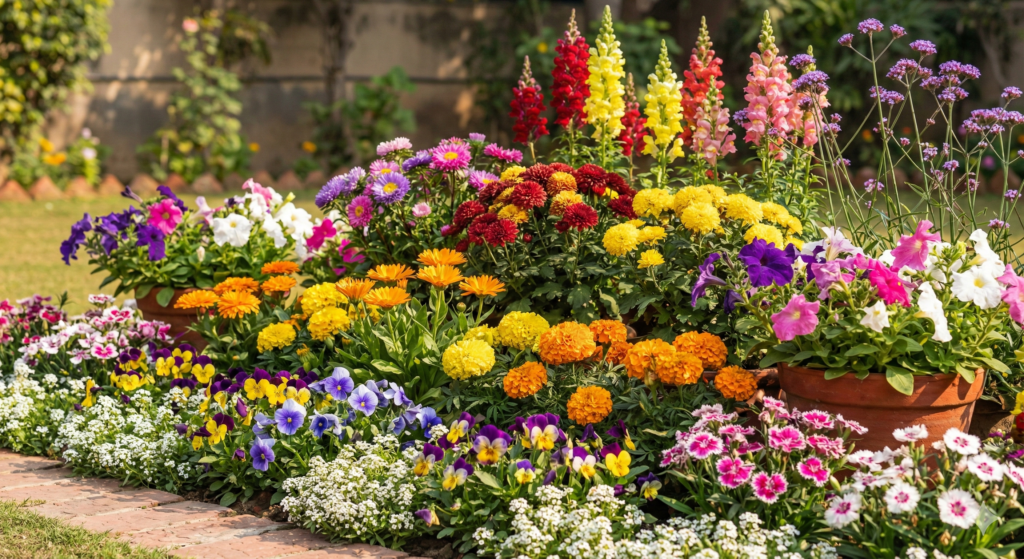
A winter garden doesn’t have to be all about vegetables.
October is also a good time in many climates to prepare for colourful winter blooms.
Popular cool-season flowers include:
- Petunias
- Pansies
- Calendula
- Dianthus
- Sweet peas
- Chrysanthemums
- Snapdragon
Flowers can be grown in garden beds, pots, hanging containers and balcony planters.
If you’re short on space, even three or four colourful containers can make a balcony feel completely different.
5. Choose the Right Location
Before planting, observe how sunlight moves through your garden.
Most vegetables need several hours of sunlight to grow well. Flowers also have different light requirements.
A sunny balcony may be perfect for herbs and vegetables, while a partially shaded area may be better for plants that don’t tolerate strong direct sunlight.
Don’t simply place every pot in the brightest possible location.
Instead, consider:
Sunlight + temperature + wind + drainage + plant requirements.
This simple combination can prevent many beginner gardening problems.
6. Check Your Containers and Drainage
Container gardening is becoming increasingly popular, especially in apartments and cities.
But one common mistake is choosing attractive pots without checking drainage.
Every container used for most vegetables and flowers should have suitable drainage holes.
Poor drainage can leave roots sitting in water and increase the risk of root problems.
Before planting, check:
- Is the pot large enough?
- Does it have drainage holes?
- Is the potting mix suitable?
- Is the container stable?
Can you move it if temperatures suddenly fall?
Remember that a healthy root system is just as important as what you see above the soil.
7. Start Seeds or Buy Healthy Seedlings
You have two main choices: grow from seeds or purchase young plants.
Seeds
Growing from seed is economical and gives you a wider choice of varieties.
However, seeds need suitable moisture, temperature and care during germination.
Seedlings
Seedlings are convenient for beginners and can give you a head start.
When purchasing seedlings, look for plants with:
8. Don’t Overwater in October
As temperatures begin to fall, your plants may not lose water as quickly as they did during summer.
This means your summer watering routine may no longer be appropriate.Instead of watering automatically every day, check the soil first.
Push your finger gently into the top layer. If it still feels moist, you may not need to water immediately.
At the same time, don’t allow newly planted seeds and seedlings to dry out completely.The goal is consistent moisture, not constantly wet soil.
9. Feed Your Plants Wisely
October is a good time to improve soil fertility before your winter crops become established.
Compost and well-decomposed organic matter can help improve soil structure while supplying nutrients.
For established plants, use fertilizer according to the plant’s needs rather than assuming more fertilizer means faster growth.
Too much fertilizer can sometimes encourage excessive leafy growth while creating other problems.
Healthy soil, adequate sunlight and appropriate watering should come first.
10. Watch for Pests
Cooler weather doesn’t mean your garden will automatically become pest-free.
Check the underside of leaves regularly for:
Aphids
Caterpillars
Whiteflies
Spider mites
Snails and slugs
Early detection makes pest management much easier.
Whenever possible, begin with simple measures such as removing affected leaves, hand-picking larger pests and maintaining good garden hygiene.
Avoid spraying unnecessary chemicals simply because a plant has a few insects. First identify the pest and determine whether it is actually damaging the plant.
11. Prepare for Colder Nights
October can still bring relatively warm days, but temperatures may drop considerably at night depending on where you live.
This is particularly important for young seedlings and tender plants.
Container plants have an advantage because they can sometimes be moved to a more sheltered location.
You can also:
Move sensitive pots away from cold winds
Group containers together
Use suitable mulch around outdoor plants
Monitor local weather forecasts
Cover vulnerable plants when frost is expected
Gardeners in colder countries should pay particular attention to their local first-frost date.
12. Give Your Winter Garden Enough Space
It is tempting to plant everything close together when you have limited space.
However, overcrowding can create problems.
Plants need room for:
- Root development
- Air circulation
- Sunlight
- Growth
- Harvesting
- Pest inspection
Always check the recommended spacing for the specific vegetable or flower variety you’re growing.A slightly less crowded garden is usually easier to maintain than a jungle of competing plants.
13. Keep a Simple October Gardening Checklist
You don’t need to accomplish everything in one weekend.Use this simple checklist:Week 1Clean garden beds and containers.Week 2Prepare soil and add compost.Week 3Start seeds and plant suitable seedlings.Week 4Check watering, pests, sunlight and plant growth.This makes winter preparation much less overwhelming.October Garden Preparation for Different ClimatesOne important point for gardeners around the world is that October does not mean exactly the same thing everywhere.In northern parts of India, October can be the beginning of the transition toward cool-season gardening.In warmer parts of India, some summer conditions may continue, so planting schedules can differ.In colder countries, October may already bring frost or freezing temperatures.Therefore, don’t follow a calendar blindly.Use local temperature, frost dates, sunlight and plant-growing requirements to decide when to sow and transplant.
Internal Link/READ MORE “Seasonal Indian Crop Calendar: What to Plant Each Month in North vs South India’
2.10-easy-eco-friendly-habits-you-can-start-today.
External link / READ MORE, :
Gardening – Wikipedia
https://en.wikipedia.org
Final Thoughts
October is more than just another month in the gardening calendar. It is an opportunity to reset your garden and prepare for a new growing season. Clean your beds, refresh your soil, choose suitable winter vegetables and flowers, check your containers, and start protecting young plants from changing temperatures. Most importantly, don’t worry about getting everything perfect.Gardening is a process of observing, learning and adjusting. Some plants will thrive, some may struggle, and occasionally a seed will simply refuse to cooperate! That’s part of the fun. Start small, pay attention to your plants, and your October preparation can give you a healthier, more colourful and more productive winter garden.
Frequently Asked Questions
1. What vegetables can I plant in October?
Depending on your climate, popular cool-season choices include spinach, peas, radishes, carrots, beetroot, turnips, coriander, lettuce, cabbage and cauliflower.
2. Is October a good month to start a winter garden?
In many regions, October is an excellent transition period for preparing soil and starting cool-season vegetables and flowers. However, the exact planting time depends on your local climate.
3. What flowers can I plant for winter?
Petunias, pansies, calendula, dianthus, sweet peas and chrysanthemums are popular cool-season flowers in suitable climates.
4. Should I fertilize my garden in October?
You can improve soil with well-decomposed compost or other suitable organic matter. Fertilizer requirements depend on the plant, soil condition and growing stage.
5. How often should I water plants in October?
There is no single schedule that works everywhere. Check the soil moisture and weather conditions. As temperatures fall, many plants may need less frequent watering than during summer.
6. How can I protect young plants from cold weather?
Keep vulnerable plants away from strong cold winds, use suitable mulch around outdoor plants, and move container plants to sheltered areas when necessary. In frost-prone areas, use appropriate frost protection.
7. Can I grow winter vegetables in pots?
Absolutely. Spinach, radish, carrots, coriander, lettuce and peas can be suitable for containers when you choose an appropriately sized pot and provide adequate sunlight and drainage.