Introduction
Living a greener and healthier life does not have to be difficult or expensive.
Small changes in the way we eat and grow food can make a meaningful difference.
Moreover, using resources wisely and caring for our homes amplify that impact.
This is where Green Harvest Guide comes in.
Our goal is to share simple, practical ideas about gardening and growing vegetables.
We cover organic practices, sustainable living, and making better choices for homes and the environment.
You do not need a large garden or years of experience to begin.
Even a few pots on a balcony can be the beginning of a greener lifestyle.
Sustainable living
Sustainable living means making everyday choices that help us use natural resources responsibly while reducing unnecessary waste. Moreover, it can include simple habits, such as conserving energy, reusing items, and reducing waste, per the Green Harvest Guide.
Growing some of your own vegetables
Avoiding unnecessary food waste
Reusing household items whenever possible
Saving water and electricity
Reducing the use of single-use plastic
Composting suitable kitchen waste
Choosing locally grown food
Planting trees and useful plants
Using natural and eco-friendly gardening methods
Sustainable living is not about being perfect. It is about making better choices whenever possible.
Growing Your Own Food
Home gardening is one of the easiest ways to become more connected with nature. You can start with a few containers, pots or grow bags.
Tomatoes, chilies, coriander, spinach, mint and many other herbs and vegetables can often be grown in limited spaces when suitable conditions are provided.
Growing food at home can also be rewarding for the whole family, as described in the Green Harvest Guide.
Moreover, children can learn where food comes from.
Adults can enjoy the satisfaction of watching a small seed develop into a healthy plant.
For older adults, gardening can be an enjoyable daily activity outdoors, fostering time outside and a connection with nature.
What Plants Need to Grow
Sunlight: Most vegetables need several hours of sunlight each day.
Soil: Good-quality, well-draining soil helps plants grow successfully.
Water: Plants need regular watering, but over-watering can damage their roots.
Space: Choose plants according to the space available. Containers and vertical gardening can be useful for small homes and balconies.
Reduce Food Waste
- Food waste is an important part of sustainable living.
- Before throwing food away, consider whether it can be stored, reused or turned into another meal. Vegetables that are still suitable for cooking can sometimes be used in soups, curries or other dishes.
- You can also plan meals before shopping and buy only what your household needs.
- These simple habits can save money while reducing unnecessary waste.
Save Water at Home
Water is one of our most valuable natural resources.
Simple habits can help reduce water wastage:
Turn off taps when water is not needed.
Repair leaking taps and pipes.
Water plants during cooler parts of the day.
Reuse suitable household water for plants where safe.
Avoid unnecessary running water while washing.
Every drop saved can contribute to a more sustainable future.
Make Your Home More Eco-Friendly
You do not need expensive products to make your home greener.
Start with simple changes such as switching off unused lights and appliances, using reusable shopping bags, avoiding unnecessary plastic and choosing durable household products.
Natural ventilation and making better use of daylight can also reduce the need for artificial lighting and cooling.
Composting Kitchen Waste
Composting is another useful sustainable habit.
Fruit and vegetable peels, some plant materials and other suitable organic kitchen waste can be turned into compost instead of being sent to landfill.
Homemade compost can provide valuable organic matter for your garden.
If you are new to composting, start small and learn which materials are suitable for your composting method.
Sustainable Living for the Whole Family
Sustainable living becomes easier when the whole family participates.
Children can help water plants, separate recyclable materials or grow simple herbs. Older family members can share gardening knowledge and traditional ways of reducing waste.
These activities can create meaningful family time while teaching everyone to care for the environment.
Small Changes Can Make a Big Difference
You do not have to change everything at once.
Start with one or two simple habits. Grow a few herbs, reduce food waste, save water or plant something in a container.
Once these habits become part of your routine, you can gradually introduce more sustainable practices.
Remember, sustainable living is a journey rather than a destination.
Conclusion
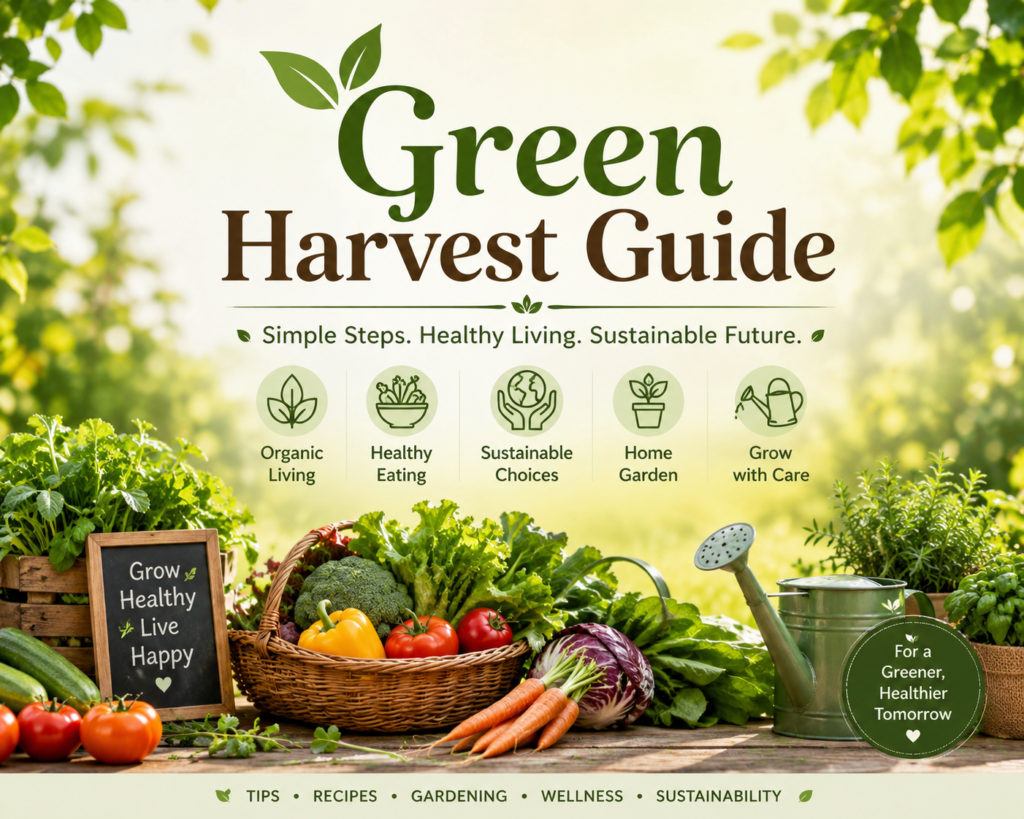
Green Harvest Guide is here to make sustainable living simpler and more practical.
Additionally, whether you have a large garden or a small balcony, there are many ways to choose greener options.
By growing some of our own food, we can contribute to a cleaner environment.
We can reduce waste, save water, and care for nature.
Small steps today can help create a greener and healthier tomorrow.
Frequently Asked Questions
1.What is sustainable living?
Sustainable living means making everyday choices that reduce waste and use natural resources responsibly.
2.Can I grow vegetables without a garden?
Yes. Many herbs and vegetables can be grown in pots, containers and grow bags on balconies, terraces or other suitable spaces.
3.How can I start sustainable living?
Start with simple habits such as reducing food waste, saving water, avoiding unnecessary plastic and growing a few plants at home.
4.Is sustainable living expensive?
Not necessarily. Many sustainable habits, such as reusing items, saving water and growing herbs at home, can actually help reduce household expenses.
5.Why is home gardening useful?
For older adults, gardening can also become an enjoyable daily activity that encourages time outdoors and a connection with nature?
Home gardening can provide fresh produce, encourage a connection with nature and make sustainable living more enjoyable.
Pingback: Polyhouse vs. Open-Field Farming: Which Is Better for High-Value Crops? - GreenHarvest Guide