
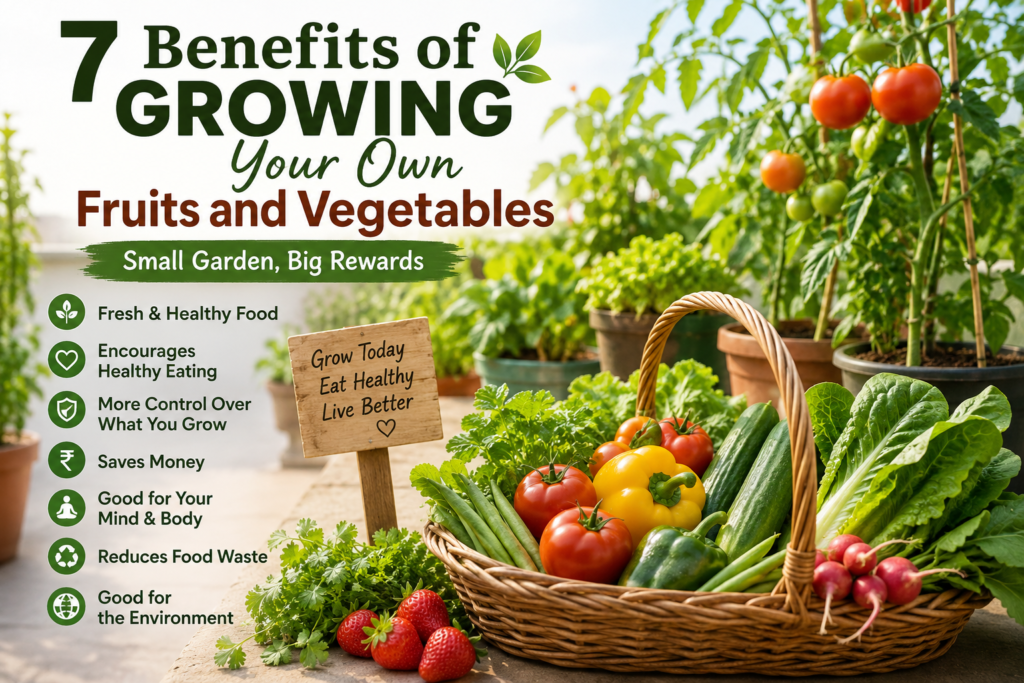
There is something wonderfully satisfying about growing your own food.
Plant a tiny seed, water it regularly, watch the first leaves appear, and then—almost like magic—you find a tomato, chilli, cucumber, or bunch of spinach ready to pick. It feels good, and it tastes even better.
But growing your own fruits and vegetables is about much more than having fresh produce at home. It can save money, encourage healthier eating, reduce waste, and even give you a relaxing reason to spend more time outdoors.
And the best part? A few pots on a balcony, a small terrace garden, or even a sunny corner can be enough,to grow fruit and vegetables.
Here are 7 benefits of growing your own fruits and vegetables and why starting a small home garden could be one of the best decisions you make.
1. You Get Fresh Fruits and Vegetables at Home
One of the biggest benefits of growing your own fruits and vegetables is simple: freshness.
When you grow spinach, tomatoes, coriander, chillies, beans, or other vegetables at home, you can pick them when you actually need them.
Imagine making lunch and walking outside to pick a handful of fresh coriander or a few green chillies. No shopping bag, no worrying about whether the vegetables have been sitting around for days—just pick, wash, and use.
Home grown produce can also taste noticeably different because you are eating it soon after harvesting.
Of course, not everything will grow perfectly every time. Gardening has its share of surprises. Sometimes the tomato plant gives you five tomatoes; sometimes it seems determined to produce an entire tomato market!
That’s part of the fun.
2. It Encourages Healthier Eating
Having fresh produce growing nearby can encourage you and your family to eat more fruits and vegetables.
When you have grown something yourself, you naturally become more interested in eating it.
Children can be especially curious. A child who doesn’t want to eat spinach from the plate may suddenly become interested when they have helped grow it from a tiny seed.A home garden can make healthy eating feel less like a rule and more like an enjoyable habit.You can grow everyday vegetables such as:
- Tomatoes
- Spinach
- Radishes
- Beans
- Green chillies
- Carrots
- Cucumbers
- Bottle gourd
- Okra
- Leafy greens.
You can also grow herbs such as coriander, mint, basil, and curry leaves
The exact choices will depend on your climate, available sunlight, and growing space.
3. You Have More Control Over How Your Food Is Grown
When you grow food yourself, you know what goes into the growing process.
You can choose natural gardening methods, make compost from suitable kitchen waste, use homemade organic inputs where appropriate, and avoid unnecessary chemicals.
This doesn’t automatically mean every homegrown vegetable is “chemical-free”—plants can still need protection from pests and diseases—but you have much greater control over your gardening practices.
For many people, that peace of mind is one of the biggest benefits of growing food at home.
You can start small and learn as you go.
You don’t have to become an expert gardener overnight.
4. Growing Your Own Food Can Save Money
Let’s be realistic—starting a garden may require some initial spending.
You may need pots, soil, seeds, compost, tools, or other supplies.But once you learn how to reuse containers, save suitable seeds, make compost, and propagate certain plants, your garden can become much more economical.
Some vegetables and herbs are particularly useful because you can harvest them repeatedly.
For example, instead of buying a bunch of coriander every few days, you can grow some in a pot and harvest what you need.
The savings may not seem huge from one plant, but over time a productive home garden can reduce the amount of fresh produce you need to buy.
And there is another kind of saving that doesn’t show up on a shopping bill: less food waste.
You can simply harvest what you need instead of buying a large quantity that may sit unused in the refrigerator.
5. Gardening Helps You Spend Time Outdoors
Modern life can keep us indoors for much of the day.
Gardening gives you a simple reason to step outside.
Watering plants, removing weeds, checking leaves for pests, adding compost, pruning, or harvesting can become a relaxing part of your routine.
You don’t need to spend hours doing it.Even 10–20 minutes of gardening can give you a pleasant break from screens and daily responsibilities.
And there is something calming about doing a task where the result isn’t immediate.
You plant today.
Wait.
Take care of the plant.
And eventually, it rewards you.That slow process can be surprisingly satisfying.
6. It Is a Great Way to Reduce Food Waste
A productive garden and a low-waste lifestyle can work beautifully together.For example, suitable vegetable scraps and other biodegradable kitchen waste can be composted rather than simply thrown away.
The finished compost can then help improve your garden soil.
You can also reduce food waste by growing vegetables that your household actually enjoys eating.
Instead of planting ten varieties because they look interesting in a seed catalogue, start with a few things you regularly use.
For example, if your family uses tomatoes, chillies, coriander, spinach, and mint frequently, these may be more useful than growing something that will simply sit unused.
A garden doesn’t have to be huge to make a difference.
Even a few productive pots can help you think differently about food, waste, and consumption.
7. Growing Food Is Good for the Environment
Your home garden may be small, but small actions can still have value.
Growing some of your own food can reduce the need to buy certain packaged or transported produce.
You can also create a more welcoming space for pollinators and other beneficial garden visitors by growing flowering plants alongside vegetables and avoiding unnecessary pesticide use.
A garden can become a tiny ecosystem.
Bees may visit flowers.
Butterflies may stop by.
Birds may appear.
Earthworms and other soil organisms can help create healthier soil.
Suddenly, that little balcony or terrace is doing more than producing vegetables—it is becoming a living space.
What Can Beginners Grow at Home?
- If you’re completely new to gardening, don’t start with the most difficult plants.Choose something that matches your available sunlight and climate.
- Some beginner-friendly options include:
- Coriander – useful and easy to harvest regularly
- Mint – grows readily, although it is best kept in its own container
- Green chillies – useful for everyday cookingSpinach and other leafy greens – good choices for containers
- Radishes – relatively quick-growing in suitable conditions
- Tomatoes – rewarding when given enough sunlight and support
- Cucumbers – productive when given space to climb
If you’re gardening in India, remember that growing seasons vary considerably between regions.
A vegetable that performs beautifully in northern India during one season may prefer a different growing period in southern or coastal areas.So before planting, check the recommended growing season for your local climate.
READ MORE-“Seasonal Indian Crop Calendar: What to Plant Each Month in North vs South India
You Don’t Need a Big Garden
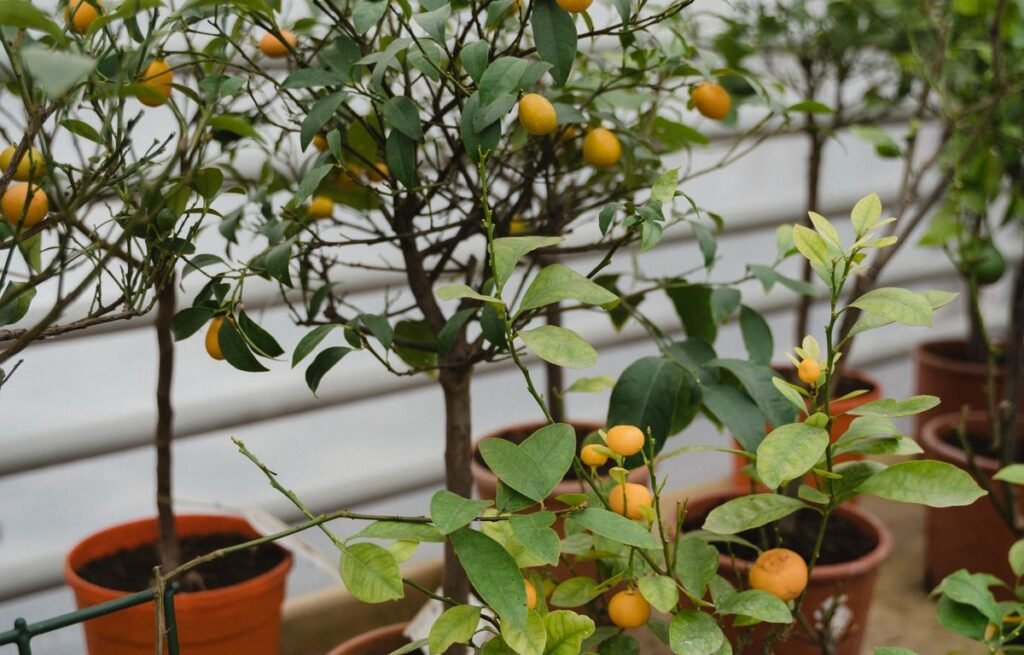
The key things to consider are sunlight, container size, drainage, soil quality, and watering.
Start with two or three plants rather than trying to create a full vegetable farm on your first weekend.
Trust me—your future self will thank you when you’re not staring at 25 pots wondering which plant needs what!
Simple Way to Start Your Home Food Garden
If you’re ready to give it a try, keep your first garden simple.
Step 1: Find a Sunny Spot
Most fruiting vegetables need plenty of sunlight. Observe your balcony, terrace, or garden area and see how much direct sunlight it receives.
Step 2: Choose 2–3 Crops
Pick vegetables or herbs that you actually eat.
Step 3: Use Containers With Drainage
Waterlogged soil can cause serious problems for many plants. Make sure excess water can drain away.
Step 4: Use Good Growing Medium
Healthy soil or a suitable potting mix gives plants a much better start.
Step 5: Water According to the Plant
Don’t automatically water every plant every day. Check the soil and learn what each plant needs.
Step 6: Observe Your Plants
Look at the leaves, stems, flowers, and soil regularly. Gardening becomes much easier when you learn to notice small changes early.
Step 7: Enjoy the Harvest
And finally, don’t forget the best part—eat what you grow!
Final Thoughts
Whether you have a large garden or just three pots on a balcony, you can start small.
A handful of homegrown coriander, a few tomatoes, some chillies, or a basket of leafy greens may not change the world overnight.But it can change the way you think about food.
And sometimes, the simplest green habits are the ones that stick.So, why not start with one pot?Plant something, care for it, and see where it takes you.
External Link. READ–“Free Home Gardening PDF Resources”
Frequently Asked Questions
1. What are the main benefits of growing your own fruits and vegetables?
The main benefits include having fresh produce at home, encouraging healthier eating, having more control over growing methods, potentially saving money, spending more time outdoors, reducing food waste, and supporting a more environmentally friendly lifestyle.
2. Is growing your own vegetables cheaper than buying them?
It can be, especially over time, although there may be some initial costs for seeds, containers, soil, compost, and gardening tools. Growing herbs and vegetables that you regularly use can make a home garden more economical.
3. Can I grow vegetables without a garden?
Yes. Many vegetables and herbs can be grown in pots, grow bags, balconies, terraces, window boxes, and other small spaces, provided they receive suitable sunlight and have adequate drainage.
4. What vegetables are easiest for beginners to grow?
Coriander, mint, leafy greens, radishes, green chillies, and tomatoes can be good choices for beginners, depending on the local climate and growing conditions.
5. How much sunlight do vegetables need?
Sunlight requirements vary by plant. Many fruiting vegetables such as tomatoes and chillies generally need several hours of direct sunlight, while some leafy greens can tolerate less. Always check the requirements of the particular plant.
6. Does growing your own food help the environment?
Yes, a home garden can support sustainable habits by reducing some food miles and packaging, helping reduce food waste, improving soil through composting, and providing habitat and food sources for beneficial insects and other garden life.7. How can I start growing vegetables at home?Start with a sunny location, choose two or three vegetables or herbs you regularly eat, use suitable containers with drainage, provide good growing medium, and learn the watering and sunlight requirements of each plant.