
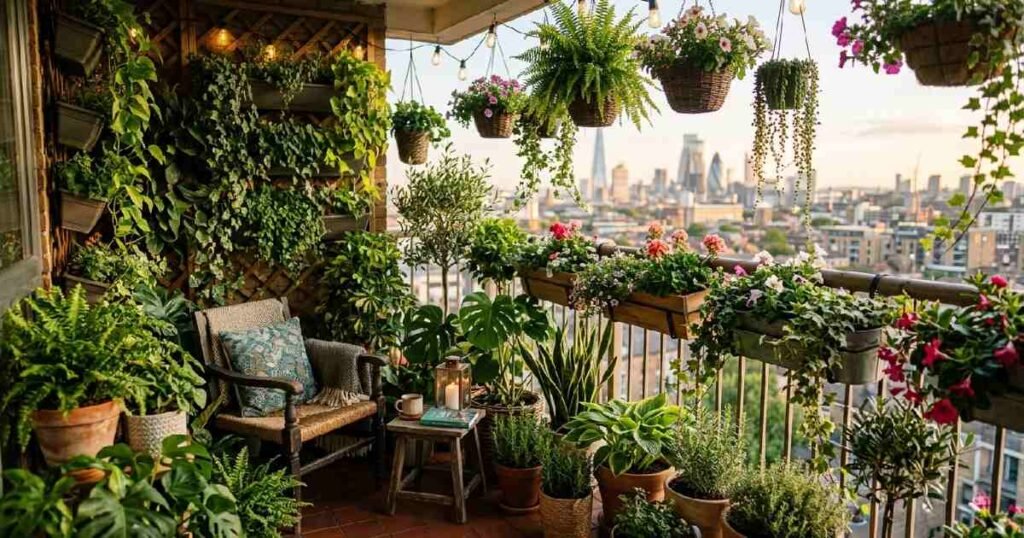
There is a common misconception that as soon as the temperatures drop and the morning air turns crisp, outdoor gardening has to hit the pause button. We tend to pack away our terracotta pots, sweep up the fallen summer leaves, and accept that our balconies will look a bit bare until spring rolls around again.
Winter container gardening comes with its own unique charm. With fewer bugs to fight off, less scorching heat that dries out potting soil in hours, and a stunning palette of cold-hardy blooms and rich evergreen foliage, winter might just become your favorite gardening season.
A balcony, windowsill, terrace, or sunny corner near a window can become a little garden of your own. You do not need expensive planters or a large collection of plants to get started. With thoughtful choices, even a small space can look fresh, colourful, and full of life.
In this guide, we will explore the best winter plants for balcony and small spaces, along with practical growing tips to help you enjoy a healthy garden throughout the season.
Why Is Winter a Great Season for Balcony Gardening?
Winter offers excellent growing conditions for many plants, particularly in regions where summer heat is intense. Cool-season vegetables such as spinach, radishes, and leafy greens can grow well when temperatures suit their needs. Several flowering plants also thrive in the cooler months.
Here are some benefits of winter balcony gardening:
More comfortable gardening: Cool weather makes watering, pruning, and caring for plants more pleasant.
Colourful surroundings: Winter flowers can brighten balconies and windowsills.
Fresh homegrown produce: You can harvest leafy vegetables and herbs for everyday cooking.
A relaxing hobby: Spending a few minutes caring for plants can make your daily routine more enjoyable.
The key is to choose plants suited to your local winter temperatures, available sunlight, and container size.
1. Petunias: Bright Flowers for a Colourful Balcony
Petunias are among the most popular winter flowering plants in many parts of India. Their trumpet-shaped flowers come in shades of pink, purple, red, white, and other attractive colours.They are particularly suitable for balcony gardens because they grow well in pots, window boxes, and hanging containers.
How to grow petunias:
Choose a pot with drainage holes.
Use a loose, well-draining potting mix.
Place the plant where it receives around 5–6 hours of sunlight, if possible.
Water when the upper layer of soil begins to dry.
Remove faded flowers to encourage further blooming.
Petunias are a lovely choice if you want your balcony to look colourful without needing a large garden.
2. Marigolds: Cheerful and Easy to Grow
Marigolds bring warm shades of yellow, orange, and gold to winter gardens. They are familiar flowers in Indian homes and can grow successfully in containers.
Compact varieties are particularly useful when balcony space is limited.
Growing tips:
Use a pot approximately 20–25 cm deep for compact varieties, adjusting the size to the plant.
Provide several hours of direct sunlight.
Avoid keeping the soil constantly wet.
Remove old flowers regularly.
Leave enough space between plants for good air circulation.
Marigolds can be grown from seeds or purchased as young plants. They are a wonderful option for beginners who want quick colour and relatively simple care.
3. Pansies: Small Flowers with Big Personality
Pansies are beautiful cool-season flowers with distinctive faces and attractive colour combinations. Their compact growth makes them ideal for small pots, railing planters, and window boxes.They are especially suitable for cooler winter conditions.
How to care for pansies:
Grow them in a pot with good drainage.
Provide morning sunlight and some protection from harsh afternoon sun in warmer locations.
Keep the soil lightly moist without waterlogging it.
Remove wilted blooms to keep the plant tidy.
Protect plants when temperatures drop below their tolerance.
Pansies can turn a plain balcony into a charming little flower garden with very little space.
4. Spinach: Fresh Greens for Your Kitchen
Why grow only ornamental plants when your balcony can also supply fresh food? Spinach is a useful cool-season vegetable that grows well in suitable containers.
Fresh leaves can be harvested for curries, dals, parathas, and other everyday meals.
How to grow spinach in pots:
Choose a container around 15–20 cm deep or deeper.
Sow seeds directly into moist potting mix.
Keep the soil evenly moist, not soggy.
Provide around 3–5 hours of sunlight, adjusting for local conditions.
Harvest outer leaves as they grow, allowing the plant to continue producing.
Spinach grows best in suitable cool weather. High temperatures may cause plants to flower early and produce poorer-quality leaves.
5. Coriander: A Kitchen Essential for Winter
Coriander is one of the most useful herbs for an Indian balcony garden. Its fresh leaves add flavour to chutneys, dals, curries, salads, and snacks.
You can grow coriander in a shallow, wide container rather than using a large pot.
Growing tips:
Choose a container at least 15–20 cm deep.
Sow seeds directly where the plants will grow.
Keep the soil moist during germination.
Give the plants sunlight and protection from excessive heat.
Harvest leaves carefully once the plants are established.
For a continuous supply, sow a small batch of seeds every two to three weeks during suitable growing weather.
6. Mint: A Fragrant Herb for Small Spaces
Mint is a practical choice for beginners because it grows readily in containers. Its fresh fragrance and usefulness in chutneys, drinks, and teas make it a welcome addition to a home garden.
However, mint spreads quickly, so it is best grown in its own pot.
How to grow mint:
Use a container at least 20 cm deep with drainage holes.
Plant a healthy cutting or young mint plant.
Keep the soil consistently moist but not waterlogged.
Provide morning sunlight or bright light, depending on your climate.
Trim the growing tips to encourage bushier growth.
Mint may need protection from frost and severe cold. In suitable conditions, a single pot can provide plenty of leaves for household use.
7. Radishes: Quick-Growing Vegetables for Beginners
Radishes are excellent for gardeners who want to see results without waiting too long. Many varieties mature in roughly 25–45 days, although the exact time depends on the variety and growing conditions.They can grow in containers, making them suitable for small balconies.
How to grow radishes:
Select a pot deep enough for the variety you choose. Use loose soil that allows roots to expand. Sow seeds directly, leaving adequate space between seedlings. Water regularly to prevent the soil from drying out completely. Harvest when the roots reach the recommended size. Avoid overcrowding the plants. Radishes grown too closely together may develop small or misshapen roots.
8. Lettuce: Fresh Salad Leaves at Home
Lettuce is a good choice for people who enjoy salads and want to grow leafy vegetables in limited space. Loose-leaf varieties are especially convenient for containers because you can harvest individual leaves.
Growing tips:
Use a pot at least 15–20 cm deep.
Select a variety suitable for your local climate.
Provide morning sunlight and protection from intense heat.
Keep the soil evenly moist.
Harvest outer leaves once the plant is established.
Lettuce prefers cool conditions, although the ideal temperature varies by variety.
In warmer parts of India, choose heat-tolerant varieties and grow during the coolest suitable period.
9. Fenugreek (Methi): A Favourite for Indian Homes
Fenugreek, commonly known as methi, is a wonderful choice for a winter kitchen garden. Its leaves are used in parathas, curries, dals, and many traditional dishes.
It is also suitable for shallow containers and balcony railing planters.
How to grow methi:
Fill a wide container with well-draining potting mix.
Sow seeds evenly and cover them lightly with soil.
Water gently to avoid washing the seeds away.
Place the pot in a sunny location.
Harvest young leaves when the plants are sufficiently established.
For a regular supply, sow small batches at intervals rather than planting all your seeds at once.
10. Dwarf Tomatoes: Small Plants, Useful Harvests
If your balcony receives plenty of sunlight, dwarf or compact tomato varieties can be a rewarding addition. Their manageable growth habit makes them easier to accommodate than large, sprawling varieties.
Choose a suitable compact cultivar rather than assuming every tomato plant will remain small.
Growing tips:
Select a container of around 25–30 litres for many compact fruiting varieties, following the variety’s recommendations.
Use a fertile, well-draining potting mix.
Provide at least 6 hours of direct sunlight where possible.
Water consistently, especially when the plant is flowering and producing fruit.
Support the plant if its stems need extra stability.
Tomatoes prefer warmth and plenty of light. In colder regions, protect them from frost and very low temperatures.
Edibles & Aromatic Herb
ROSEMARY
Rosemary is a woody, Mediterranean evergreen herb with needle-like leaves and an incredible pine-like aroma. It easily handles cold weather in most zones and rewards you with fresh sprigs for winter roasts and teas
Growing Tips:
Rosemary hates wet feet! Use a gritty, sandy potting mix and let the top two inches of soil dry completely between waterings.
Can be kept compact with light pruning.
Thyme and Winter Savory
Creeping thyme and winter savory form dense, fragrant mats of foliage that cascade over pot rims. They are extremely cold-hardy and survive frosty nights without throwing a fuss.
Growing Tips
If you are growing thyme in contain̈er plant with rosemary which also likes sunny conditions and has similar watering needs
water deeply only when the soil is completely dry
In early spring fertilize with organic matters, like compost
Prone the plant back in the spring and summer to contain the growth Plant them indoors in pots too
5 Essential Rules for Winter Balcony Care
Winter container gardening is straightforward, but pots on elevated balconies face unique environmental conditions like increased wind exposure and faster root cooling. Keep these rules in mind:
Beware of Overwatering: Cold soil holds moisture much longer than warm soil. Always check the top 1 to 2 inches with your finger—if it feels damp, hold off on watering. Water in the late morning so plants absorb moisture before night freezes.
Protect Roots from Freeze-Thaw: Soil in pots freezes faster than ground soil. Group your containers together against the warm interior house wall during extreme cold spells to share ambient warmth.
Mind the Wind: Balconies—especially on higher floors—can act as wind tunnels. Secure tall pots with heavy stones at the bottom so they don’t tip over during winter storms.
Feed Lightly (or Not at All): Most winter plants grow at a relaxed pace and don’t require heavy feeding. A light dose of diluted organic liquid fertilizer once a month is more than enough.
Conclusion for Best Winter plants for Balcony and Small Spaces
The best winter plants for balcony gardens and small spaces are those that suit your local climate, sunlight, container size, and daily routine.
Begin preparing in October, select a few suitable plants, and give them consistent but sensible care. You may soon find that checking your pots each morning becomes one of the most enjoyable parts of your day.
A beautiful garden does not depend on how much space you have. It begins with one pot, a little sunlight, and the willingness to watch something grow
Frequently Asked Questions (FAQ)
What are the easiest winter flowers to grow on a balcony?
Pansies, violas, cyclamen, and petunias are by far the easiest and most reliable winter flowers for balcony containers. They tolerate low temperatures, require minimal deadheading, and bloom continuously for months.
Can I grow vegetables on my balcony during winter?
Yes. Spinach, coriander, methi, lettuce, and radishes are suitable options for many Indian winter gardens. Choose varieties adapted to your local conditions and use containers with good drainage.
Can beginners create a winter garden on a low budget?
Absolutely. Start with a few reused, clean containers that have drainage holes, seeds of easy-to-grow vegetables, and a suitable potting mix. Add more plants as your confidence grows
When should I start preparing my balcony garden for winter in India?
October is a useful preparation month in many parts of India. However, the ideal sowing time varies by region, elevation, and temperature.
Which winter plants grow well in small pots?
Compact petunias, pansies, coriander, methi, mint, and loose-leaf lettuce can grow in appropriately sized containers. Choose dwarf varieties when growing fruiting plants.
READ MORE:
Internal Link/ READ MORE “what-are-10-low-maintenance-indoor-plant-for-busy-people”
2.”15 great-winter-flowering-plants-for-pots-and-gardens“
External Link/READ MORE “10 BEST WINTER PLANTS AND VEGETABLES FOR YOUR BALCONY”