
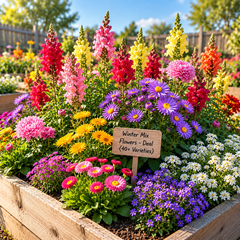
Discover 15 great winter flowering plants for pots and gardens in India. Learn planting tips, sunlight needs, watering, and easy winter flower care.
When late autumn rolls around, most people assume the gardening season is wrapping up. The leaves drop, the temperature plunges, and green landscapes slowly turn grey. But here is a secrets shared among passionate home gardeners: winter does not have to be a dull season in your yard or on your balcony.
With the right selection of cold-hardy varieties, you can transform containers, hanging baskets, and flowerbeds into vivid displays of crimson, violet, gold, and snow-white. Whether you have a vast backyard or a modest city balcony with a few potted arrangements, these winter flowering plants keep outdoor spaces vibrant when everything else goes dormant.
Here is an expert breakdown of the top 15 winter blooming plants, covering how to grow them, where they look best, and how to keep them blooming until spring.
What Makes a Great Winter Flowering Plant?
Before diving into the plant selections, it helps to understand how winter bloomers operate. Unlike summer annuals that thrive on high heat and intense light, winter flowers are engineered by nature to handle frost, cool air, and shorter sun cycles.
- Cold Tolerance: Many winter annuals survive light frosts, while winter perennials (like Hellebores) withstand sub-zero conditions.
- Compact Growth: Many cold-weather varieties remain compact, making them ideal for pot cultivation, window boxes, and border edges.
- Long Bloom Duration: Cooler temperatures preserve petals longer than scorching summer heat, meaning individual flowers stay fresh for
Top 15 Winter Flowering Plants for Containers & Garden Beds
1. Pansies
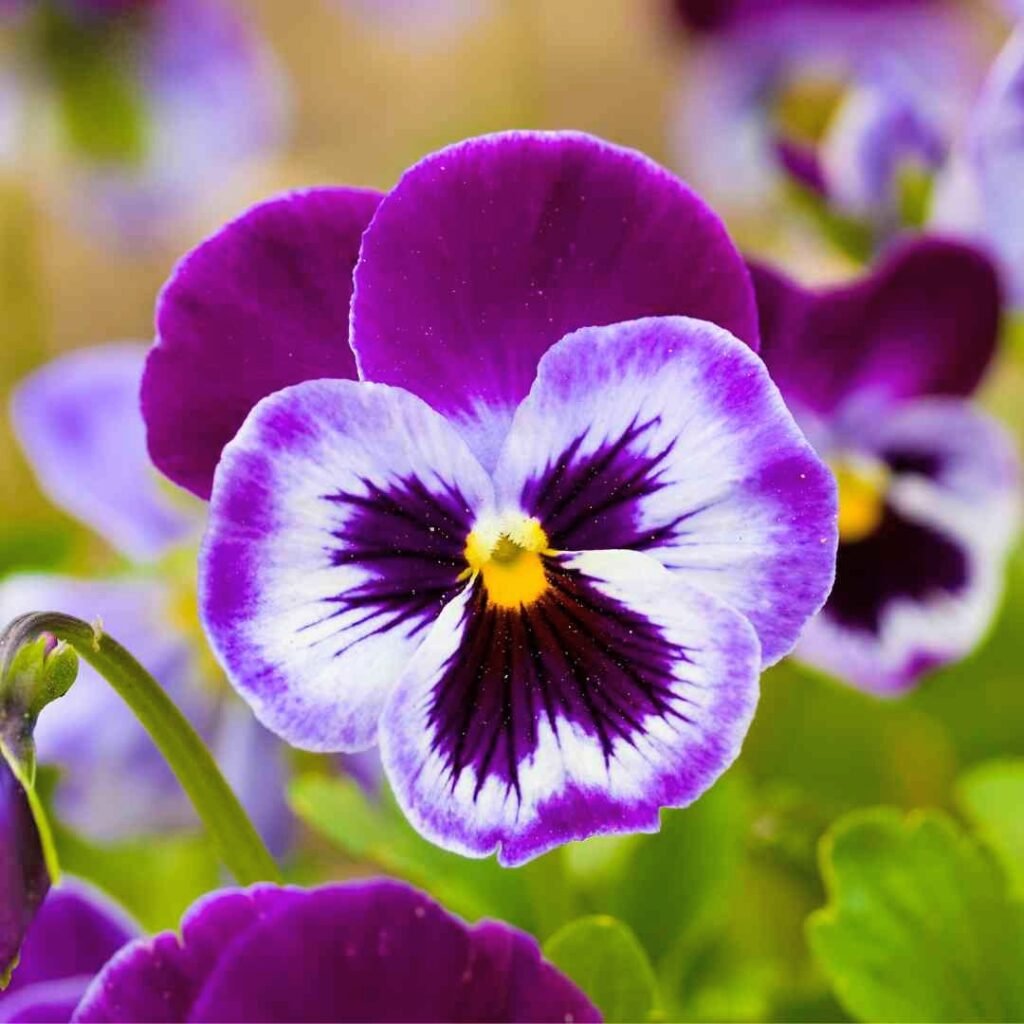
Pansies are widely considered the gold standard for cold-weather container gardening. Famous for their distinct “faced” petal pattern, they come in nearly every hue imaginable—from deep velvet purple and sunny yellow to rich mahogany and sky blue.
- Ideal For: Pots, window boxes, hanging baskets, and garden borders.
- Sun & Soil Needs: Full sun to partial shade; well-draining, fertile soil.
- Gardener’s Tip: Deadhead spent blooms regularly to encourage continuous flowering straight through late winter.
2.Petunias (Petunia hybrid )

- Ideal For: Hanging baskets, balcony railings, and large patio containers.
- Sun & Soil Needs: Full sunlight (at least 5-6 hours daily); loose, nutrient-rich soil.
- Gardener’s Tip: Avoid spraying water directly onto open blooms to prevent petal spotting and mildew.
3.Snapdragons (Antirrhinum majus)
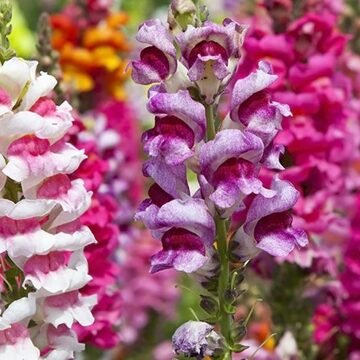
With tall, architecture-like spires packed with double-lipped blossoms, snapdragons introduce height and structure into winter gardens. They range from compact 8-inch dwarf varieties to tall 3-foot specimens.
- Ideal For: Garden bed backdrops and the center “thriller” element in potted container designs.
- Sun & Soil Needs: Full sun to partial shade; fertile, evenly moist soil.
- Gardener’s Tip: Pinch the growing tips of young plants early in the season to prompt bushy, multi-stemmed growth.
4.Chrysanthemums (Chrysanthemum morifolium)

Mums are traditional autumn-to-winter champions. Available in diverse forms—from tight pompoms and daisy-like blooms to intricate spider varieties—they fill gardens with warm bronze, deep red, gold, and purple hues.
- Ideal For: Entryway pots, terrace collections, and mass bed plantings.
- Sun & Soil Needs: Full sun; well-drained, fertile soil high in organic matter.
- Gardener’s Tip: Keep soil consistently moist while flower buds form, but avoid waterlogging.
5.Calendula (Calendula officinalis)
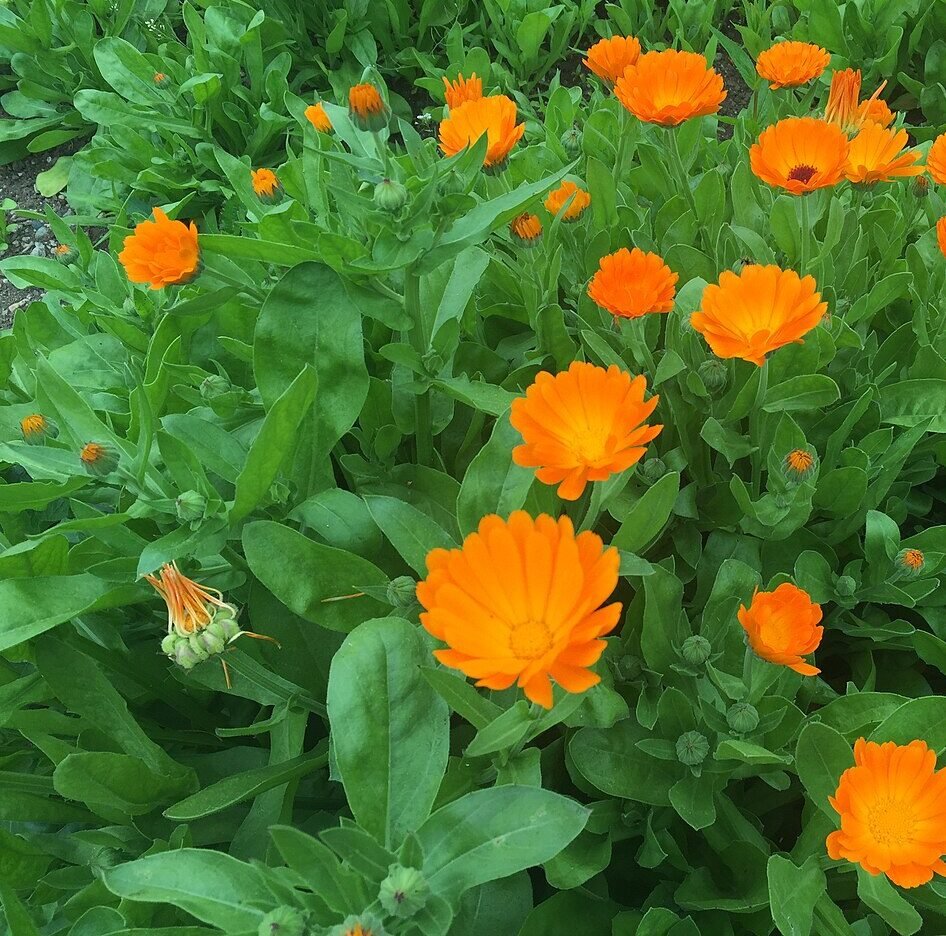
Also known as Pot Marigold, Calendula brings bright yellow and warm orange daisy-like blooms to cold-weather settings. Beyond their aesthetic value, the edible petals add color to winter salads and botanical teas.
- Ideal For: Herb gardens, border plantings, and mixed terra-cotta pots.
- Sun & Soil Needs: Full sun to light shade; adaptable to average, well-draining soil.
- Gardener’s Tip: Deadhead spent flower heads to promote a steady succession of new buds into spring.
6.Dahlias (Dahlia pinnata)
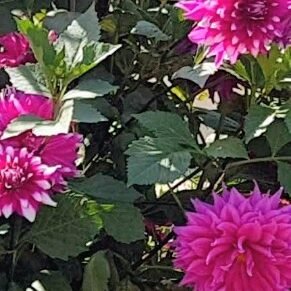
In mild winter zones without hard ground freezes, dahlias serve as late-season focal points. Their intricate, layered blooms range from small button pompoms to massive “dinner-plate” blooms.
- Ideal For: Large patio containers, centerpieces, and cut flower beds.
- Sun & Soil Needs: Full sunlight; rich, loamy soil kept evenly moist.
- Gardener’s Tip: Tall dahlia stems need staking early to support heavy, bloom-laden branches.
7.Dianthus (Dianthus barbatus / Sweet William)
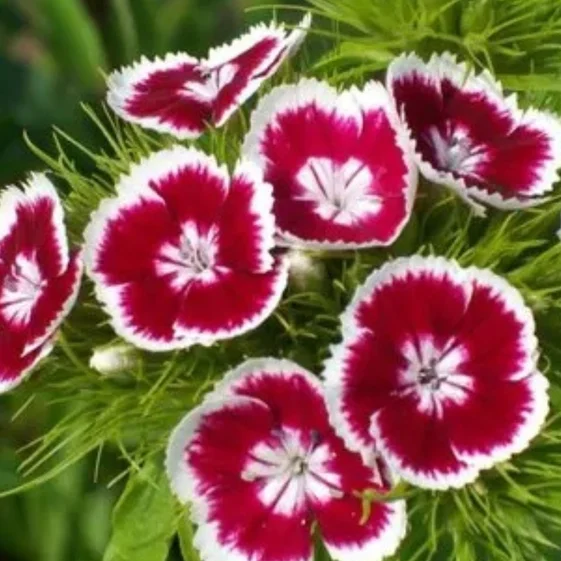
Recognizable by their fringed petal edges and clove-like fragrance, Dianthus flowers are sturdy winter bloomers. They form neat mounds covered in rich pink, deep red, white, and bicolored flowers.
- Ideal For: Edging pathways, sunny balcony planters, and stone container gardens.
- Sun & Soil Needs: Full sun (at least 4-6 hours); slightly alkaline, quick-draining soil.
- Gardener’s Tip: Ensure containers have clear drainage holes, as Dianthus roots suffer in stagnant water.
8.Marigold

Marigolds bring cheerful shades of yellow, orange, and gold to a winter garden. They are widely grown in Indian homes and are useful for festive decorations, garlands, and everyday garden colour.
- ideal For:marigolds can be grown in pots, although their mature sizes differ. They tolerate a wider range of conditions than many cool-season flowers, but excessive rain, humidity, or intense heat can reduce flowering.
- Sun &Soil Needs : Sunlight: At least 5–6 hours of direct sunlight.Well-draining soil enriched with compost.
- Gardener, Tips : Water regularly without keeping the soil soggy; reduce watering during prolonged rainy periods.
Marigolds are a practical choice for beginners because they are generally easy to grow and maintain.
9.Phlox(drummondii)

Phlox numerous varieties are available in large and small flowers varying from separate in mix colors Phlox is favorite plant gardener ‘s and widely as it easy cultivate.
Annual phlox produces clusters of small flowers in shades of pink, red, white, purple, and mixed colours. It can create a soft, colourful display in containers and garden beds.
- Ideal For : It is especially useful for filling gaps between taller plants. Flowering is usually strongest in cool weather .
- Sun & Soil : Full sunlight ,plant needs rich and well drained soil
- Gardener’s Tip : Keep the soil consistently moist but never waterlogged. Snip off deduct dead leaves flowers cluster to simulate new buds and prolong the season.
10.Winter Jasmine (Jasmine nudiflorum)

Unlike its summer counterpart, Winter Jasmine is a unscented, vining shrub that produces butter-yellow flowers along bare arching stems during late winter. It provides bright color when most deciduous plants remain bare.
- Ideal For: Cascading over garden walls, growing up trellises, or framing deep porch planters.
- Sun & Soil Needs: Full sun to partial shade; tolerant of various well-drained soils.
- Gardener’s Tip: Prune stems back right after blooming stops in early spring to keep the shrub compact and neat.
11. Sweet Pea

Sweet peas are climbing or trailing plants with delicate, often fragrant flowers. They are especially attractive when trained along a small trellis, balcony railing, or garden support.They are best suited to areas with cool winter weather, such as many northern and hill regions. In warmer plains and coastal areas, they may have a shorter season or fail to flower well once temperatures rise.
- Ideal For : Sweet Pea flowers are ideal for cut flower arrangement, fragrant bouquets, vertical garden displays and attracting pollinators.
- Sun & Soil : A sunny location with some protection from excessive heat.
Soil: Deep, fertile, well-draining soil. - Gardener Tips : Provide support and pick flowers regularly to encourage further blooming.
12. Nasturtium

Nasturtiums produce cheerful red, orange, and yellow flowers, often accompanied by rounded green leaves. Their trailing growth makes them ideal for hanging baskets, balcony containers, and the edges of raised beds.
They can tolerate mild conditions but may flower less in extreme heat or heavy humidity. In very warm areas, give them morning sun and afternoon shade.
- IdealFor : Nasturtiums are ideal companion plants and versatile grower,great for pots, border window boxes hanging baskets and trellises
- Sun & Soil : Require 6 to 8 hours of direct sunlight daily for best bloom.Prefer well -draining soil with low to moderate fertility. Need moderate watering.
- Gardener Tips : Avoid excessive fertiliser, which may encourage leafy growth at the expense of flowers.
- Nasturtiums are a colourful option for gardeners who want something a little different from the usual winter bedding plants.
13.Sweet Alyssum (Lobularia maritime)
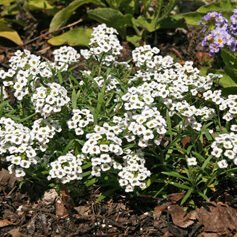
Sweet Alyssum creates a low blanket of honey-scented, four-petaled flowers in shades of white, blush pink, and violet-purple. It functions as a living ground-cover or container filler.
- Ideal For: Spilling over container rims, filling gaps in stone paving, and flowerbed borders.
- Sun & Soil Needs: Full sun to partial shade; adaptable to average soils.
- Gardener’s Tip: Shearing back straggly growth midway through the season sparks a quick fresh flush of flowers.
14.Violas (Viola cornuta)

Violas are the slightly smaller, ultra-hardy cousins of the pansy. While their flowers are petite, they produce them in larger numbers and demonstrate remarkable resilience after heavy frosts or light snowfall.
- Ideal For: Tight container arrangements, mixed pot combinations, and pathway edging.
- Sun & Soil Needs: Full sun to partial sunlight; moist, well-draining potting soil.
- Gardener’s Tip: Combine violas with taller focal plants in containers for a layered look.
English Primrose (Primula vulgaris)

Primroses deliver bold, saturated colors with cheerful yellow centres. Nestled in rosettes of crinkled green leaves, these low-profile flowers thrive during chilly, damp winter weather.
- Ideal For: Front edges of garden beds, window pots, and shady courtyard displays.
- Sun & Soil Needs: Partial shade to filtered sunlight; moist, humus-rich soil.
- Gardener’s Tip: Primroses dislike dry conditions; keep soil consistently moist to prevent premature wilting.
How to Prepare Your Garden for Winter Flowers
Choosing the right plants is only the beginning. A little preparation in October can make a noticeable difference to your winter garden in many parts of India, but the ideal timing may be earlier in colder regions and later in warmer southern or coastal areas.
1. Choose the Right Pots
Use containers with drainage holes. Small pots can dry out quickly, especially on hot, exposed terraces, while oversized pots may retain too much moisture around young roots.For most compact seasonal flowers, medium-sized pots are a practical starting point. Always match the container to the plant’s mature size and local weather conditions.
2. Prepare Good-Quality Soil
Use a loose potting mix that drains well while retaining enough moisture for healthy growth. A suitable mixture may include garden soil, compost, and a material that improves drainage, such as cocopeat or perlite.
Avoid using heavy, compacted soil on its own in containers. In humid or rainy regions, use a particularly free-draining mix and ensure containers are raised so excess water can escape.
3. Give Plants Enough Sunlight
Most winter flowering annuals bloom best with several hours of sunlight each day. Place pots where they receive good morning or midday sunlight, depending on the local climate and the plant’s needs.
In warmer parts of India, some plants may benefit from afternoon shade during unusually warm weather. In cooler northern or hill regions, a more open, sunny position may be preferable.
4. Water Carefully
Do not water every pot according to the same fixed schedule. Check the soil first. If the top layer feels dry, water thoroughly and allow the excess to drain.
Pots may need more frequent checks on hot, windy terraces and less frequent watering during cool, cloudy, or rainy weather. Overwatering is a common reason for yellow leaves, weak growth, and root problems.
5. Feed Plants Moderately
Mixing mature compost into the potting medium can support healthy growth. If additional fertiliser is needed, use a balanced product according to its label.Too much nitrogen may produce plenty of leaves but fewer flowers, so avoid overfeeding. Plants in small containers may need occasional feeding during active growth, while recently planted seedlings or plants growing slowly in cool weather may need less.
6. Watch for Pests and Diseases
Inspect the undersides of leaves and the growing tips for aphids, whiteflies, or other pests. Remove badly damaged plant parts and provide enough space between pots for airflow.
Humidity and monsoon conditions can increase fungal problems, while dry, warm weather may encourage mites or other pests. If you use any pest-control product, follow its label carefully and avoid spraying flowers when pollinators are visiting.
When Should You Plant Winter Flowers in India?
For many parts of northern and central India, October to November is a useful period to sow or plant many cool-season flowers, although exact timing depends on local temperatures, the variety, and whether you are growing from seeds or nursery seedlings.
In warmer southern and coastal regions, planting schedules may differ. Some cool-season plants may be started later, grown during the mildest part of winter, or replaced with varieties better suited to moderate temperatures. In colder hill regions, sowing may need to begin earlier, and young plants may require frost protection.
Read the seed packet for sowing instructions, and choose varieties suited to your region. Starting too late may reduce the time available for growth and flowering, while starting too early in a hot area can expose seedlings to heat and heavy rain.
Common Mistakes to Avoid
Even easy-to-grow winter flowers can struggle when their basic needs are overlooked.
Using pots without drainage: Excess water can damage roots, especially during monsoon weather.
Keeping sun-loving flowers in deep shade: Plants may produce fewer blooms, although some afternoon shade is helpful in hot regions.
Watering too frequently: Always check the soil before watering and adjust for temperature, rainfall, humidity, and pot size.
Planting too closely: Crowded plants compete for light and airflow, with disease risk often higher in humid areas.
Ignoring faded flowers: Removing spent blooms helps keep many varieties tidy and may encourage further flowering.
Choosing unsuitable varieties: A flower that thrives in a cool northern winter may struggle in a warmer region or during a humid coastal season.
Remember, every plant has its own needs. Observing your garden regularly is often the easiest way to learn what works.
Internal Link/ READ MORE : “10-easy-eco-friendly-habits-you-can-start-today”
2.”what-to-plant-in-october-an-easy-guidelines”
External Link /READ MORE : ‘Top 15 Winter Flowering Plants in India”
Conclusion for15 Best Winter Flowering Plants for Pots and Gardens
A colourful winter garden does not require a large space or an expensive setup. With petunias, marigolds, pansies, calendula, chrysanthemums, and other seasonal flowers, you can bring life and colour to a balcony, terrace, or backyard.
The secret is to prepare at the right local time, choose plants suited to your climate, provide enough sunlight without exposing heat-sensitive varieties to excessive afternoon heat, and avoid overwatering. Start with three or four varieties if you are a beginner, then add more as you gain confidence.
October is a wonderful time to plan your winter flower garden in many parts of northern and central India, while warmer and colder regions may follow different schedules. Prepare your pots, choose your seeds or seedlings, and give your plants the care they need. A few simple steps now can reward you with weeks of beautiful blooms during the coolest part of the season.
Which of these winter flowers is your absolute favorite? Let me know in the comments below
Frequently Asked Questions (FAQ)
1. Which flowers bloom in winter in India?
Popular winter flowers include petunias, marigolds, pansies, calendula, dianthus, snapdragons, phlox, and chrysanthemums. The best choices depend on your region, winter temperatures, humidity, and the length of the cool season.
2. Which winter flowering plants are best for pots?
Petunias, marigolds, pansies, dianthus, calendula, alyssum, and compact chrysanthemums are good choices for containers when provided with suitable sunlight and drainage. In hot regions, choose heat-tolerant varieties or provide afternoon shade.
3.Can I grow winter flowers on a balcony?
Many seasonal flowers grow well in balcony pots and window boxes. Choose a location with adequate sunlight, protect plants from excessive afternoon heat where necessary, and use containers with drainage holes.
4.Which winter flowers are easiest for beginners?
Marigolds, petunias, calendula, and pansies are good starting options in suitable climates. Healthy nursery seedlings can make it easier to establish your first winter garden, especially where the cool season is short.
5.What is the absolute hardiest winter flower for outdoor pots?
Hellebores and Violas are among the most cold-hardy choices. Hellebores tolerate sub-zero temperatures, while Violas quickly bounce back after light frosts and freezing weather.
6.When should I plant winter flowers in India?
In many northern and central Indian regions, October and November are suitable for starting several winter annuals. Warmer southern and coastal areas and colder hill regions may require different timing, so check the growing instructions for each variety and adjust the schedule to your local climate.