
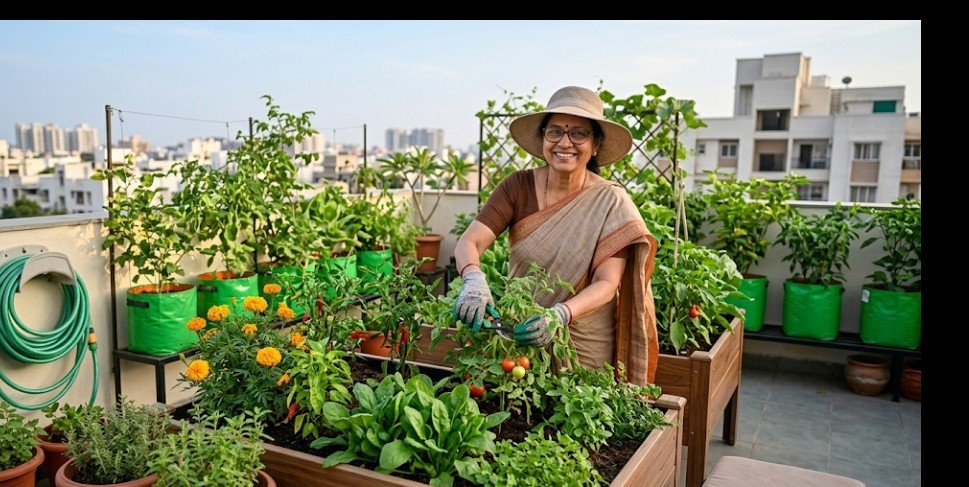
There’s something deeply therapeutic about pottering around in the soil. For our parents, tending to plants, watering balcony pots, or caring for a backyard garden isn’t just a hobby—it’s their favourite routine, a great source of daily light exercise, and a quiet way to stay connected with nature.However, as knees get a bit stiffer, balance becomes slightly unpredictable, and the midday sun hits harder, routine yard work can turn into a hidden hazard. A sudden trip over a stray garden hose, severe lower back strain from bending, or heat exhaustion can turn a joyful morning into a hospital visit.
The goal isn’t to tell your parents to “take it easy” or stop gardening altogether (we all know how well that advice goes down!). Instead, small,thoughtful modifications to the garden layout and routine can keep their green thumbs active while keeping them safe and strain-free.
Here is your complete guide how make yard gardening for your aging parents.
Bring the Garden to Them (Ditch the Deep Bending)
Ground-level gardening requires constant kneeling, stooping, and lifting—a setup that heavily strains raging joints and lower backs.
Switch to Raised Beds: Elevated planter boxes or waist-high raised garden beds eliminate the need to bend down. Your parents can tend to their herbs and flowers while standing comfortably or sitting on a chair.
Vertical Wall Planters: Hang pots on sturdy trellises or wall mounts at chest height.
Containers on Wheels: Place large plant pots on wheeled caddies. Moving heavy plants out of harsh afternoon sunlight becomes effortless rather than a heavy-lifting ordeal.
2. Upgrade to Ergonomic, Lightweight Tools
Heavy steel spades and stiff hand pruners require immense grip strength and put unnecessary pressure on arthritic wrists.To make Yard garden for aging parents ,Modern gardening gear offers far better options:
Senior-Friendly Upgrade
Expandable, lightweight coil hoses prevent heavy dragging and reduce tripping hazards. Standard hand pruners and ratchet pruners use a step-by-step mechanism to cut stems with minimal hand force. Traditional trowels and ergonomic soft-grip tools have curved handles to keep wrists in a neutral, strain-free position. Metal watering cans, drip irrigation, and spray wands eliminate carrying heavy water jugs across the yard.
3.Clear the Pathways and Fix Tripping Hazards
Because falls are among the leading causes of injury for seniors. Outdoor spaces often feature uneven stone pavers, slippery moss, and clutter that can cause a loss of balance.
Garden Safety Audit Checklist:
[ ] Smooth Out Paths: Fill uneven gaps in stone walkways or pave smooth dirt trails.
[ ] Clear Tangles: Install retractable hose reels so water pipes aren’t left sprawled across walkways.
[ ] Non-Slip Surfaces: Apply anti-slip grit or mats to slick patio tiles and wooden decking.
[ ] Adequate Lighting: Ensure garden paths and steps are well-lit with solar-powered LED pathway lights.
[ ] Sturdy Grab Bars: Add weather-resistant
4.Protect Against Sun & Heat Exhaustion
seniors are more sensitive to heat and dehydration, making heat stroke a real concern during warm weather.
Establish “Safe Hours”: Encourage gardening strictly during cooler windows—early morning (before 9 AM) or late afternoon (after 5 PM).
The Hydration Station: Place a small outdoor table near their favourite garden spot equipped with a insulated water flask and shade umbrella.
Sun Protection Essentials: Equip them with a wide-brimmed sun hat, UV-blocking lightweight long sleeves, and a pair of anti-slip gardening gloves.
5. Introduce “Garden Seating” Into the Workflow
Gardening doesn’t need to be an endurance test. Encourage a healthier workflow by placing rest points directly inside the garden layout.
Garden Kneelers & Stools: Invest in a 2-in-1 garden kneeler bench. It features padded foam for knees and sturdy side handles that provide leverage when pushing up to stand.
Shaded Benches: Place a comfortable bench under a shade tree or canopy where they can sit, sip tea, and admire their progress between light tasks.
Also Read —“How to Set Up a Terrace Vegetable Garden in Indian Climates (Summer & Monsoon Special)”
FAQs (Frequently Asked Questions)
Q1. What are the best plants for seniors to grow with minimal maintenance?
low-maintenance options include perennial herbs (mint, rosemary, lemongrass), succulents, marigolds, and hardy leafy greens. These require minimal pruning, light watering, and resist common garden pests easily.
Q2. How can I help an aging parent who refuses to stop doing heavy yard work?
Instead of taking tasks away, reframe the conversation. Help with the heaviest lifting (like moving soil bags or chopping thick branches) together as a joint weekend project, while leaving the planting, pruning, and light harvesting entirely in their hands.
Q3. Are lightweight plastic garden tools sturdy enough for regular use?
Yes! Modern high-density polymers and aluminium-composite tools are engineered to be lightweight without bending or snapping. They offer durability without the crushing weight of traditional cast-iron tools.
External Post – Read”gardening-tips-safety-older-adults”
Keep the Joy, Remove the Strain
Gardening brings purpose, fresh air, and movement to our parents’ lives.
By making a few adjustments—switching to raised beds, snagging lightweight ergonomic tools, and keeping walkways clutter-free—you can protect their health without taking away the hobby they cherish.Have you adapted your garden space for your parents or grandparents? Share your ideas in the comments below, and keep growing together on GreenHarvestGuide.in!